Booster Pack
Unified Minds Booster Pack
- Market Price
- $81.39
- MSRP
- $3.99*
- Against MSRP
- ▲ 1940% vs MSRP
- Loose
- $81.39
- Each, in the sealed product
- $93.80
SM11 · Pokémon
258 cards, led by Mewtwo & Mew GX (Secret) at $416.60.
Released Aug 2, 2019
Set index · SM11
148.62
+9.66 (+6.95%)3M


The 5 most valuable · $383.04 – $416.60
A score that started near 100. It rises when its Near Mint English cards sell for more than they did.
Every way SM - Unified Minds was sold, priced.
19 products
Booster Pack
Booster Box
InsideReported
Elite Trainer Box
Unified Minds Elite Trainer Box
Collection Box
Pale Moon GX Box
InsideReported
Collection Box
Porygon-Z GX Box
InsideReported
Collection Box
Unified Minds 3 Pack Hanger Box
$81.76 per pack
InsideReported
Tin
Power Partnership Tin [Garchomp & Giratina GX]
InsideReported
Tin
Power Partnership Tin [Lucario & Melmetal GX]
InsideReported
Tin
Power Partnership Tin [Mewtwo & Mew GX]
InsideReported
Prerelease Kit
Unified Minds Prerelease Kit
$87.50 per pack
InsideReported
Preconstructed Deck
Unified Minds Theme Deck - "Laser Focus" [Necrozma]
InsideReported
Preconstructed Deck
Unified Minds Theme Deck - "Soaring Storm" [Dragonite]
InsideReported
Blister
Unified Minds 3 Pack Blister [Stakataka]
InsideReported
Blister
Unified Minds 3 Pack Blister [Vikavolt]
$109.63 per pack
InsideReported
Blister
Unified Minds Premium Checklane Blister [Espeon]
InsideReported
Blister
Unified Minds Premium Checklane Blister [Umbreon]
InsideReported
Blister
Unified Minds Single Pack Blister [Pikachu]
InsideReported
Blister
Unified Minds Single Pack Blister [Sudowoodo]
$98.99 per pack
InsideReported
Booster Pack
Unified Minds Mini Pack
* Standard MSRP for that product type, or a bundle's count × that price.
Open one. Then see how often each hit turns up.
Pack $89.66
Tap the pack. Every card is drawn from the pack's real odds.
10 cards a pack · 5 common · 3 uncommon · 1 reverse holo · 1 hit slot
Pokémon-GX
1 in 8
packs · 12.7%
Full Art Pokémon-GX
1 in 31
packs · 3.19%
Rainbow Rare
1 in 69
packs · 1.44%
Full Art Trainer
1 in 85
packs · 1.17%
Gold Secret Rare (Trainer or Energy)
1 in 111
packs · 0.90%
Chance in one pack · Near Mint
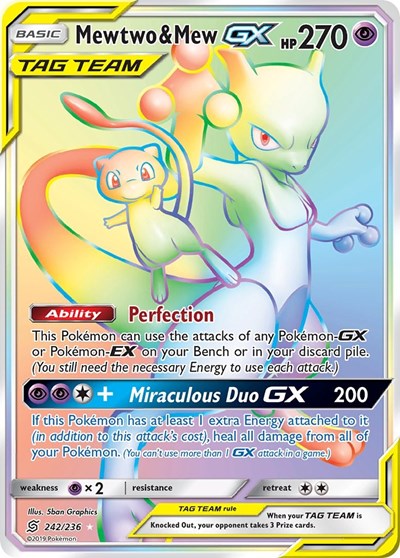
Mewtwo & Mew GX (Secret)
$416.601 in 903
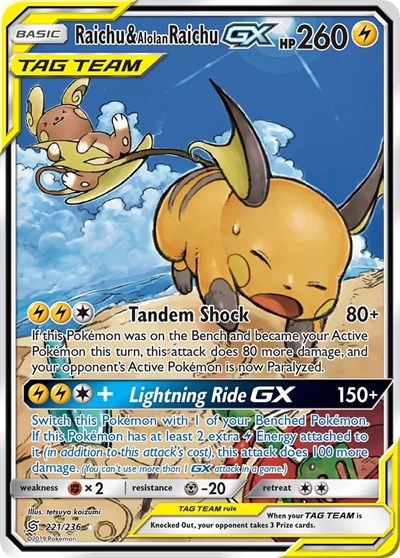
Raichu & Alolan Raichu GX (Alternate Full Art)
$416.331 in 533
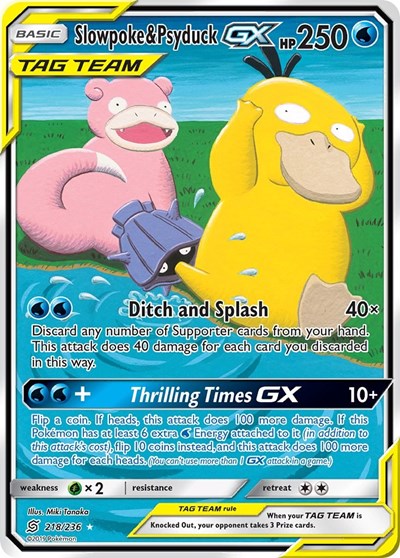
Slowpoke & Psyduck GX (Alternate Full Art)
$387.601 in 533
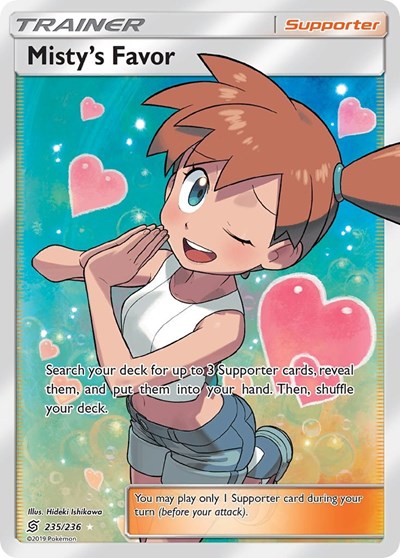
Misty's Favor (Full Art)
$384.021 in 513
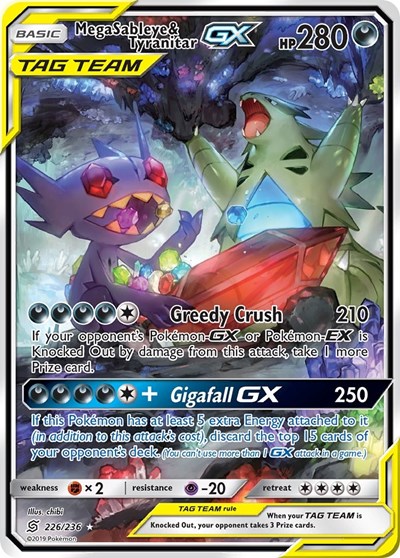
Mega Sableye & Tyranitar GX (Alternate Full Art)
$383.041 in 533
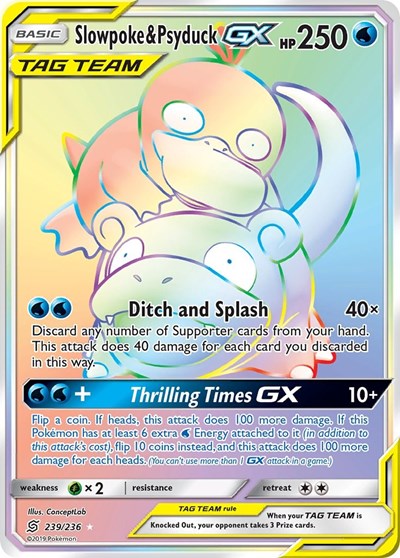
Slowpoke & Psyduck GX (Secret)
$283.411 in 903
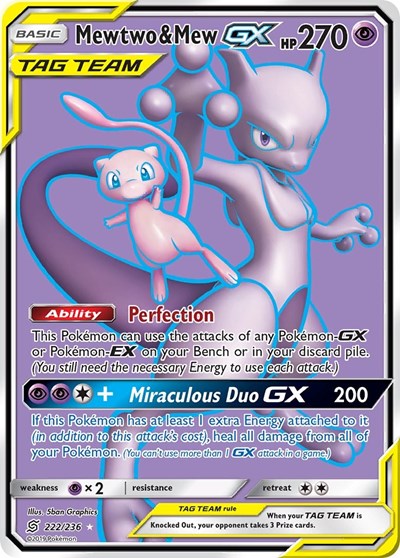
Mewtwo & Mew GX (Full Art)
$230.331 in 533
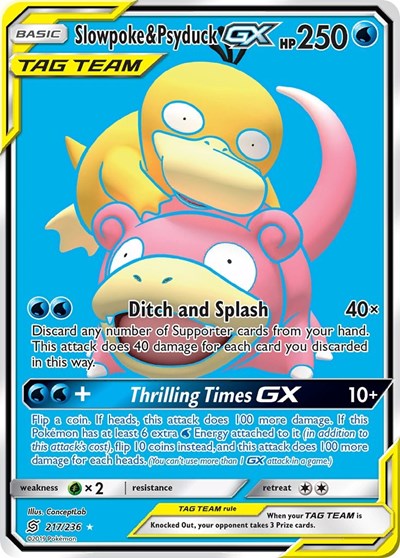
Slowpoke & Psyduck GX (Full Art)
$174.611 in 533
258 of 258 valued in Near Mint
Mewtwo & Mew GX (Secret)
Raichu & Alolan Raichu GX (Alternate Full Art)
Slowpoke & Psyduck GX (Alternate Full Art)
Misty's Favor (Full Art)
Mega Sableye & Tyranitar GX (Alternate Full Art)
Slowpoke & Psyduck GX (Secret)
Mewtwo & Mew GX (Full Art)
Slowpoke & Psyduck GX (Full Art)
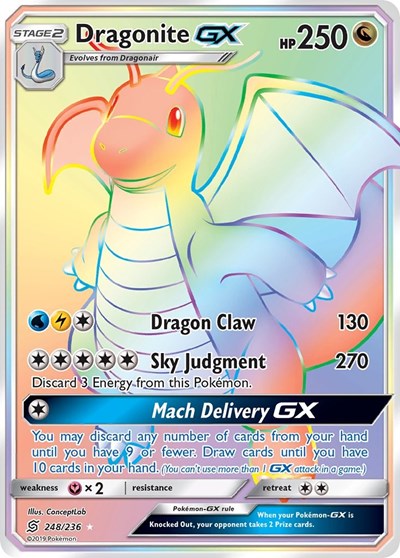
Dragonite GX (Secret)
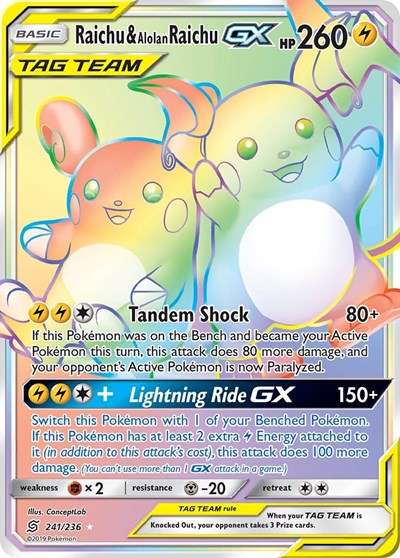
Raichu & Alolan Raichu GX (Secret)
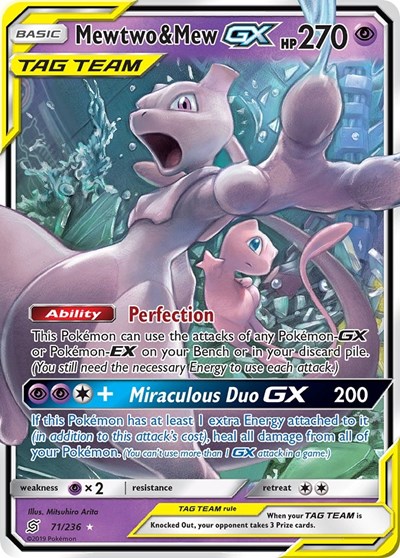
Mewtwo & Mew GX
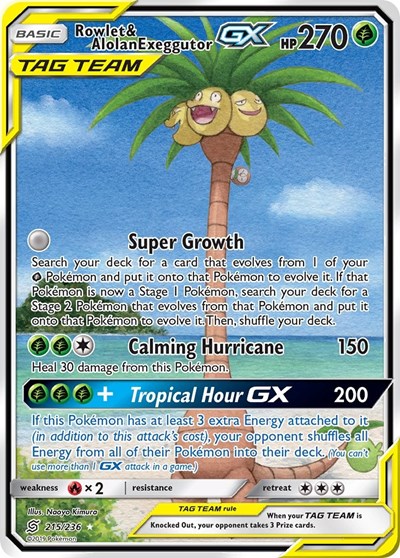
Rowlet & Alolan Exeggutor GX (Alternate Full Art)
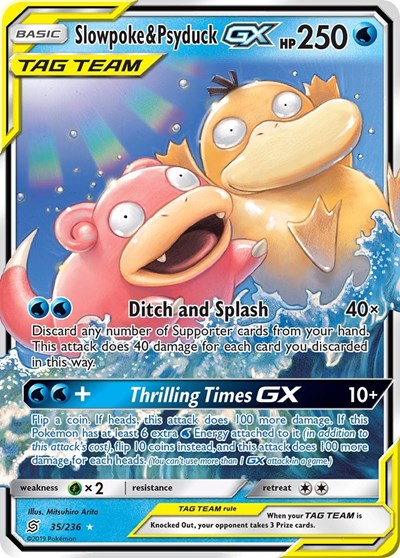
Slowpoke & Psyduck GX
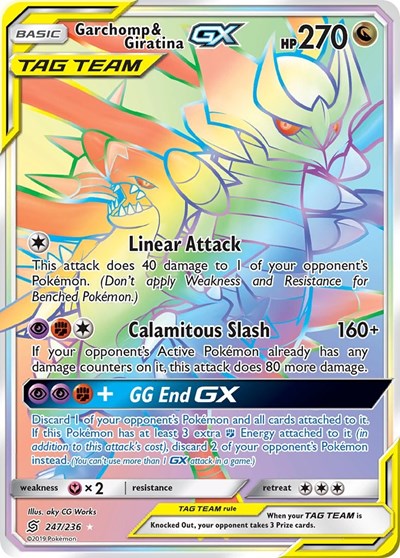
Garchomp & Giratina GX (Secret)
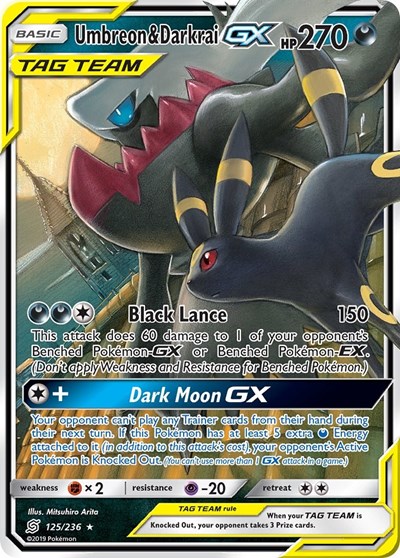
Umbreon & Darkrai GX
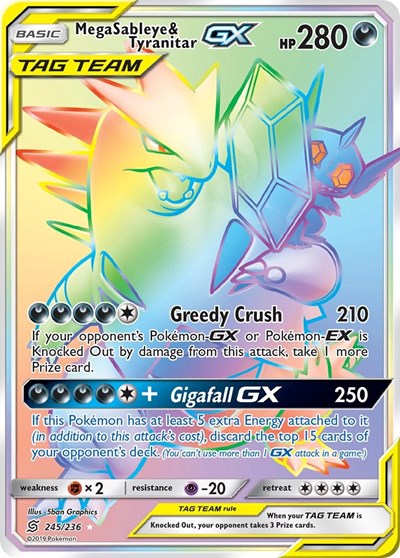
Mega Sableye & Tyranitar GX (Secret)
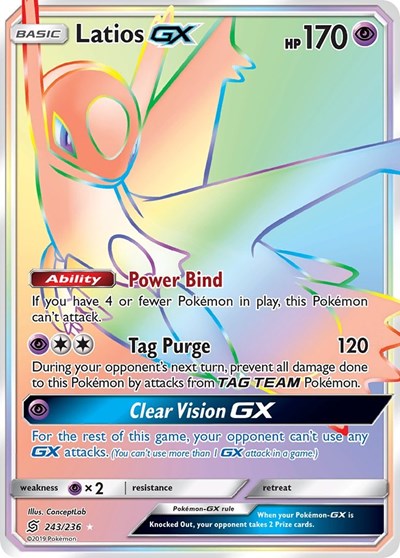
Latios GX (Secret)
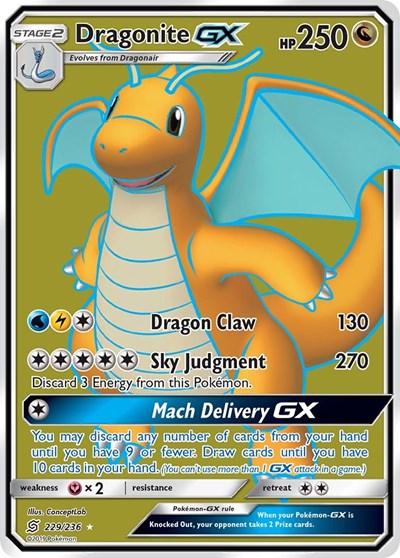
Dragonite GX (Full Art)
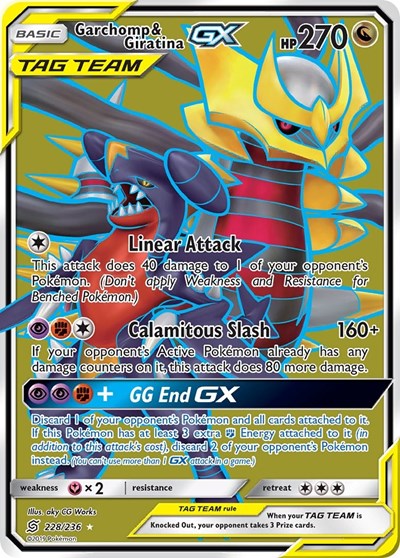
Garchomp & Giratina GX (Full Art)
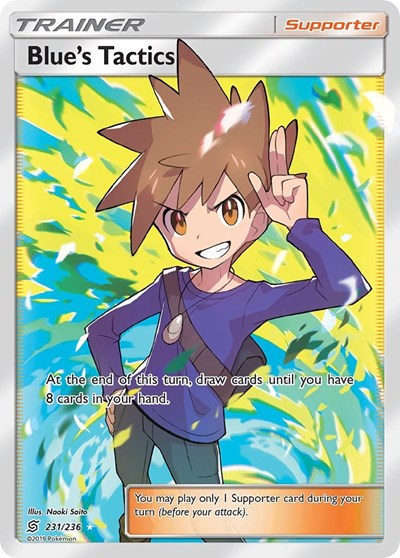
Blue's Tactics (Full Art)
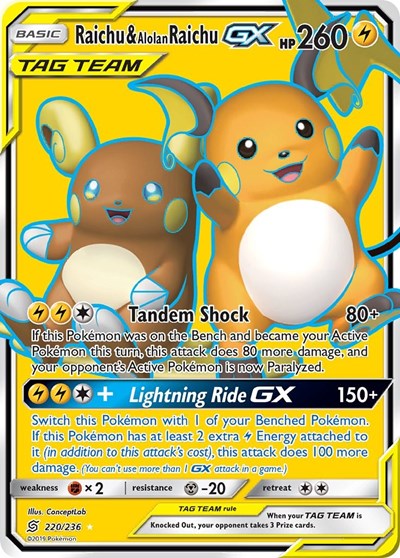
Raichu & Alolan Raichu GX (Full Art)
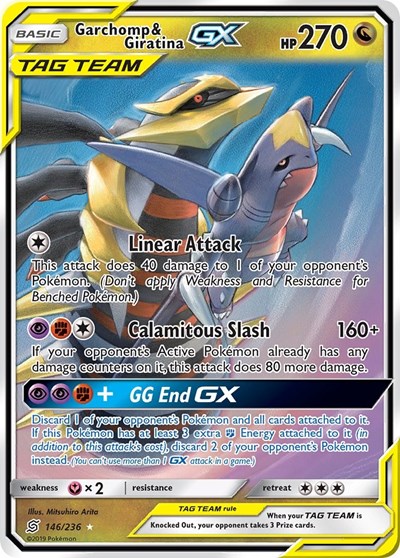
Garchomp & Giratina GX
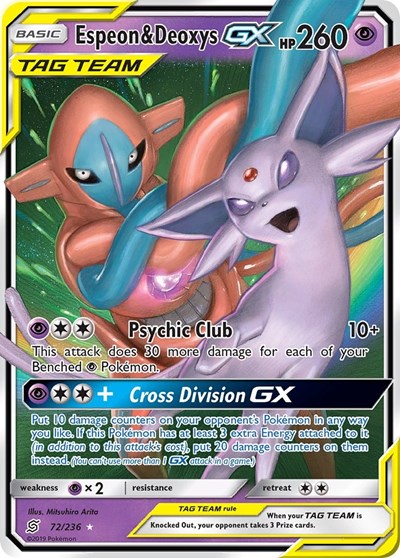
Espeon & Deoxys GX
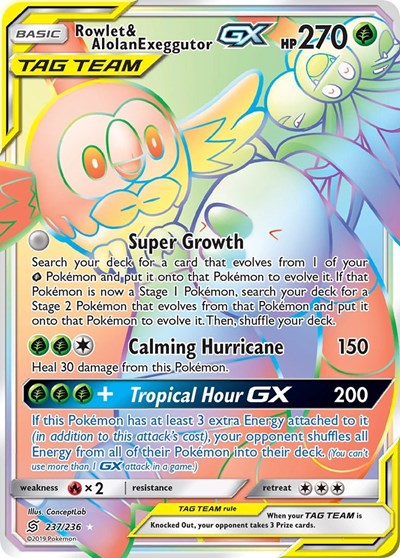
Rowlet & Alolan Exeggutor GX (Secret)
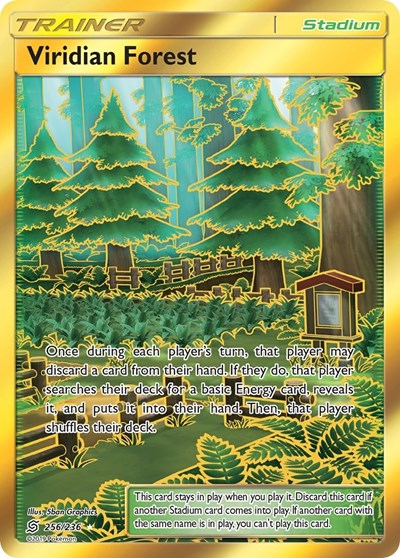
Viridian Forest (Secret)
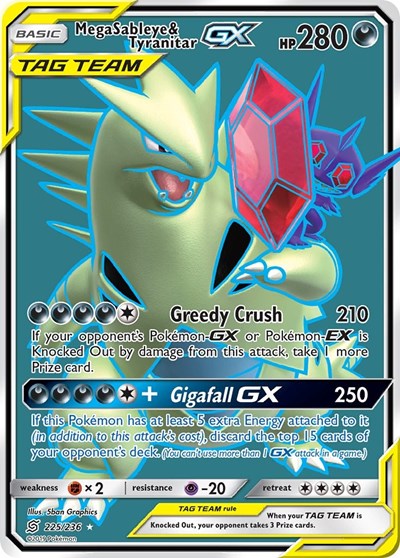
Mega Sableye & Tyranitar GX (Full Art)
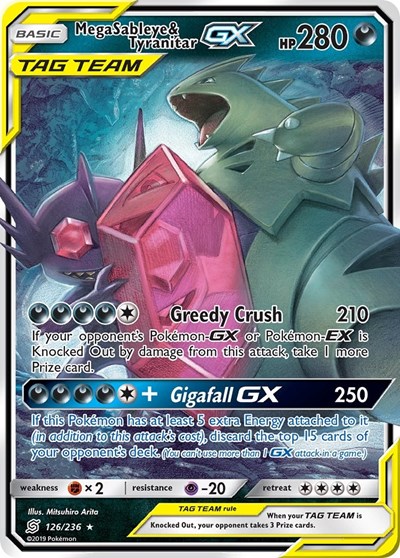
Mega Sableye & Tyranitar GX
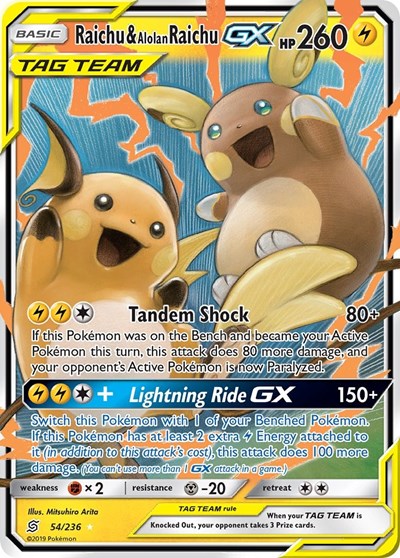
Raichu & Alolan Raichu GX
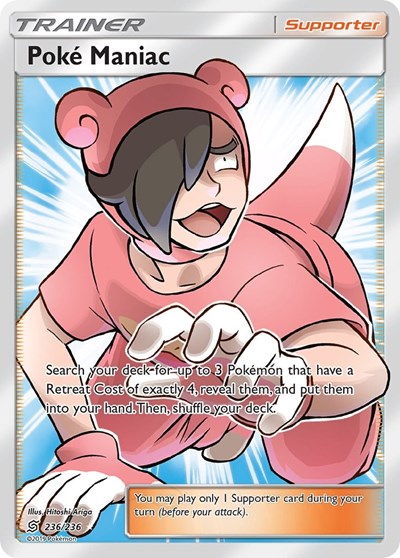
Poke Maniac (Full Art)
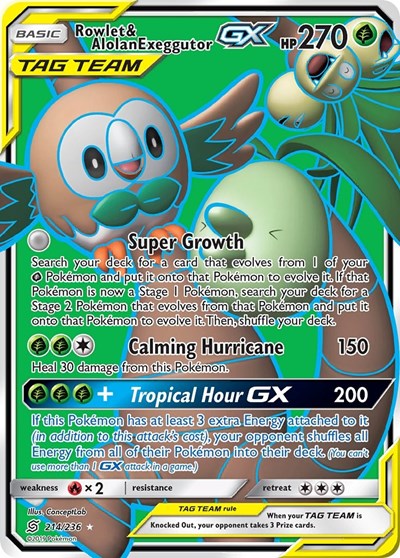
Rowlet & Alolan Exeggutor GX (Full Art)
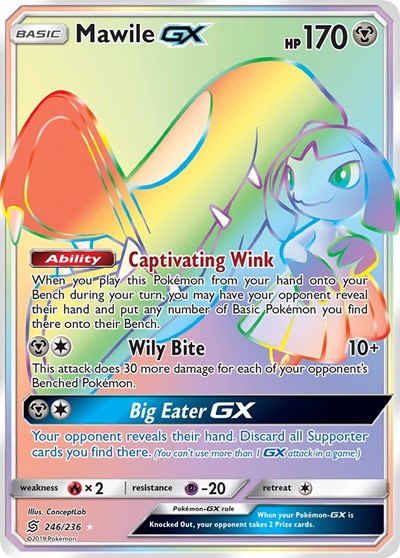
Mawile GX (Secret)
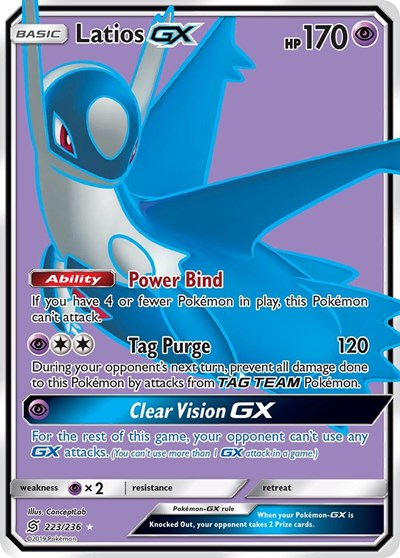
Latios GX (Full Art)
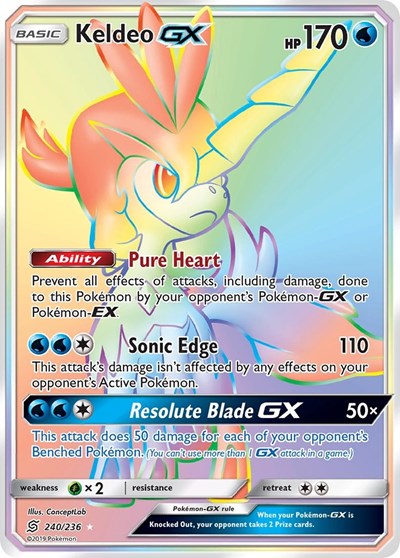
Keldeo GX (Secret)
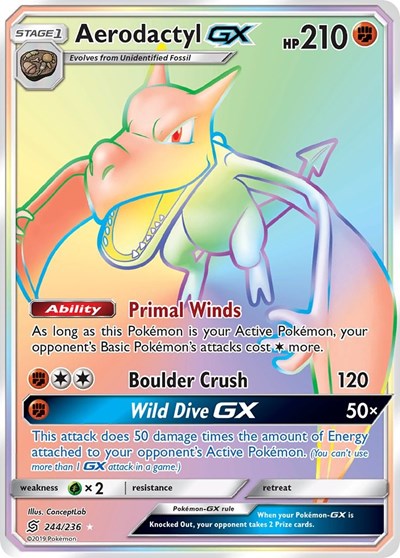
Aerodactyl GX (Secret)
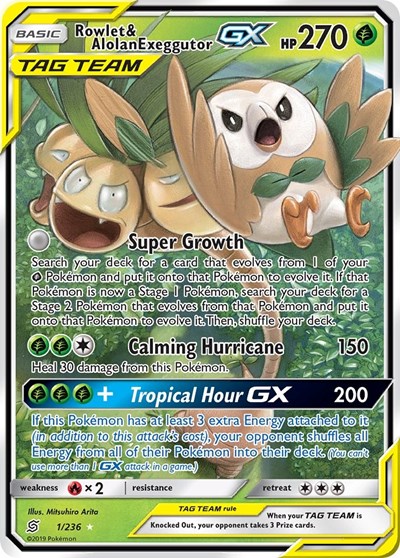
Rowlet & Alolan Exeggutor GX
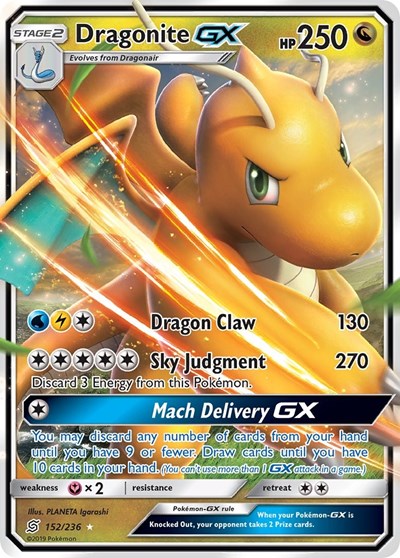
Dragonite GX
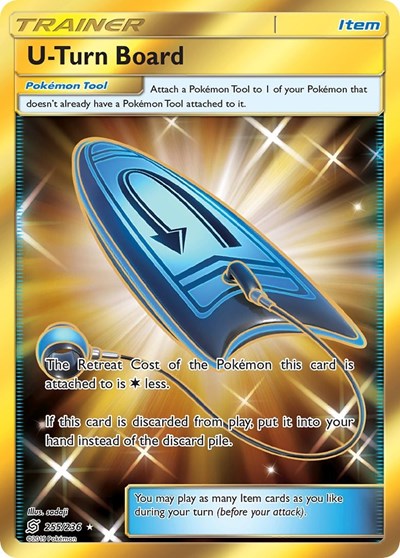
U-Turn Board (Secret)
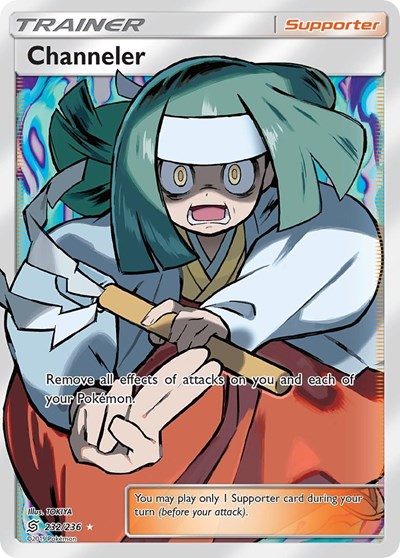
Channeler (Full Art)
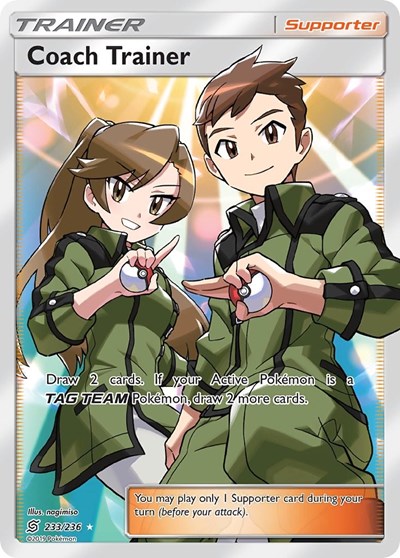
Coach Trainer (Full Art)
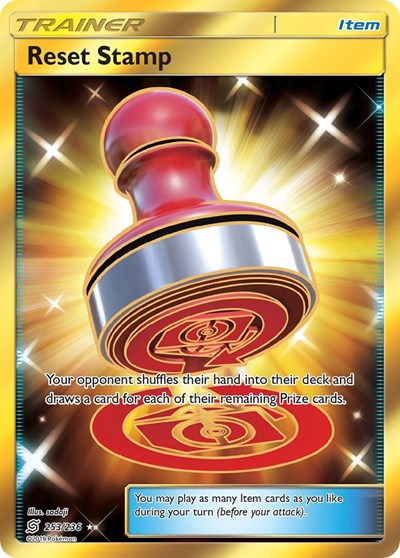
Reset Stamp (Secret)
258 singles tracked