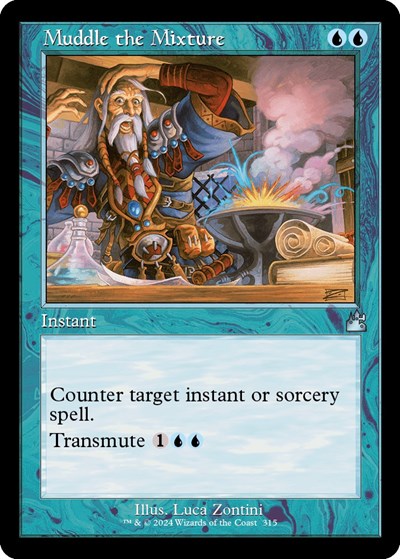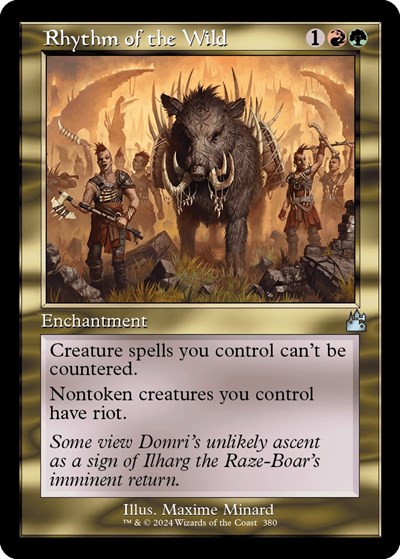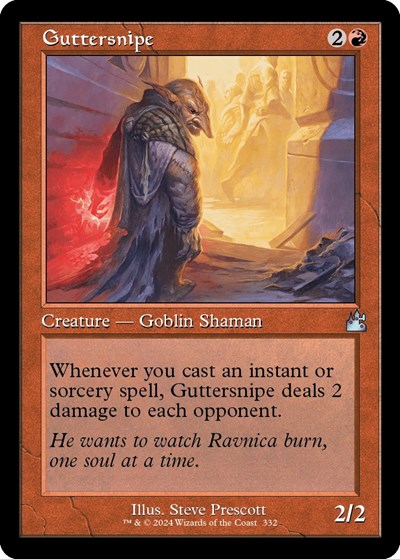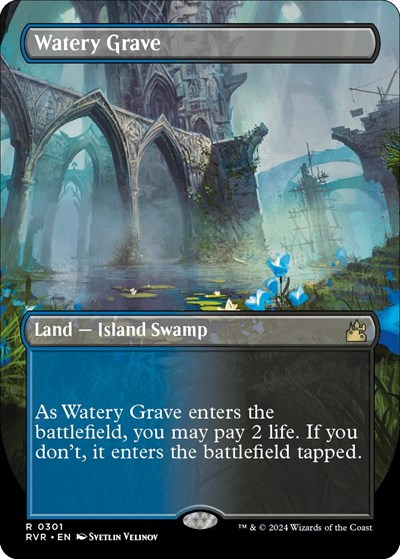
Booster Pack
Ravnica Remastered - Draft Booster Pack
- Market Price
- $9.66
- MSRP
- —
- Loose
- $9.66
- Each, in the sealed product
- $8.93

RVR · Magic: The Gathering
607 cards, led by Breeding Pool (Retro Frame) (Serial Numbered) at $2,548.80.
Released Jan 12, 2024
Set index · RVR
168.75
+12.40 (+7.93%)3M


The 5 most valuable · $1,859.13 – $2,548.80
A score that started near 100. It rises when its Near Mint English cards sell for more than they did.
Every way Ravnica Remastered was sold, priced.
5 products
Booster Pack
Display
Inside
Open one. Then see how often each hit turns up.
Pack $116.65
Tap the pack. Every card is drawn from the pack's real odds.
16 cards a pack · 1 non-foil borderless rare or mythic rare · 1 non-foil retro frame rare or mythic rare · 1 traditional foil rare or mythic rare · 1 traditional foil retro frame common or uncommon · 2 non-foil retro frame commons and/or uncommons · 1 traditional foil land or artifact · 3 traditional foil uncommons · 4 traditional foil commons · 2 hit slots
R
1 in 1
packs · 88.0%
R (non-foil retro frame)
1 in 1
packs · 76.1%
C (traditional foil Guildgate)
1 in 2
packs · 58.0%
C (traditional foil retro frame)
1 in 2
packs · 55.8%
R (traditional foil retro frame)
1 in 2
packs · 55.2%
R (non-foil borderless anime)
1 in 2
packs · 52.0%
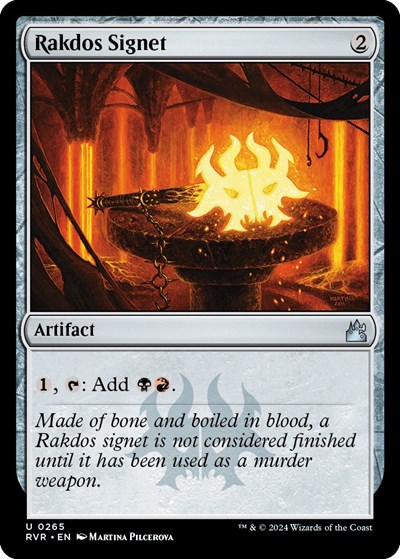
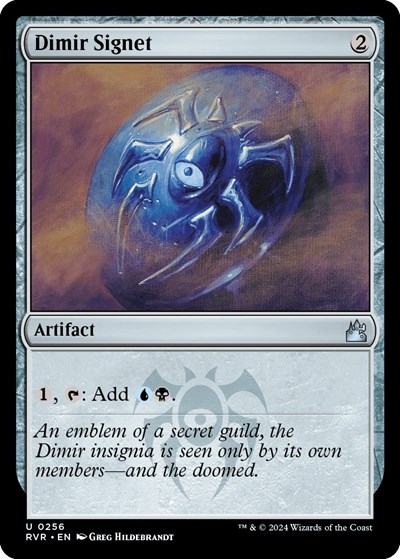
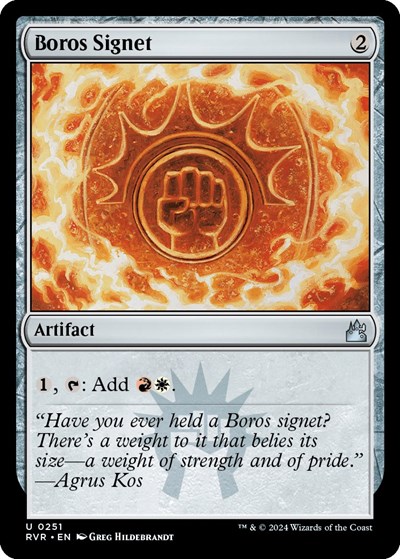
U (traditional foil Signet)
1 in 3
packs · 33.0%
U (traditional foil retro frame)
1 in 3
packs · 30.2%
R (non-foil borderless shock land)
1 in 4
packs · 27.5%
M (non-foil borderless anime)
1 in 7
packs · 15.0%
R (non-foil retro frame Collector Booster–exclusive)
1 in 7
packs · 13.6%
R (traditional foil borderless anime)
1 in 7
packs · 13.4%
M
1 in 8
packs · 12.0%
U (traditional foil Collector Booster–exclusive retro frame)
1 in 9
packs · 11.6%
R (traditional foil retro frame Collector Booster–exclusive)
1 in 9
packs · 10.6%
R (traditional foil shock land or Chromatic Lantern)
1 in 11
packs · 9.00%
M (non-foil retro frame)
1 in 14
packs · 7.30%
R (traditional foil borderless shock land)
1 in 14
packs · 7.00%
M (non-foil borderless anime planeswalker)
1 in 18
packs · 5.50%
M (traditional foil retro frame)
1 in 19
packs · 5.30%
M (traditional foil borderless anime)
1 in 25
packs · 4.00%
M (non-foil retro frame Collector Booster–exclusive)
1 in 33
packs · 3.00%
C (traditional foil Collector Booster–exclusive retro frame)
1 in 43
packs · 2.33%
M (traditional foil retro frame Collector Booster–exclusive)
1 in 48
packs · 2.10%
M (traditional foil borderless anime planeswalker)
1 in 71
packs · 1.40%
Chance in one pack · Near Mint
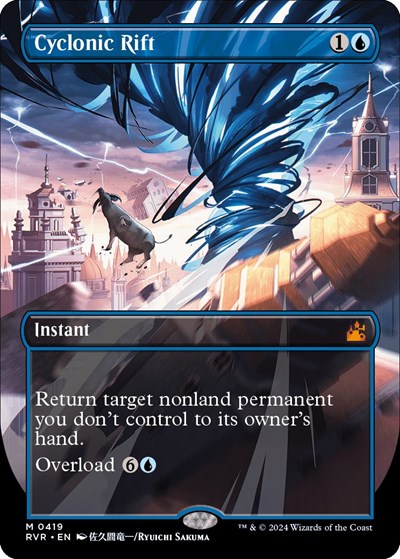
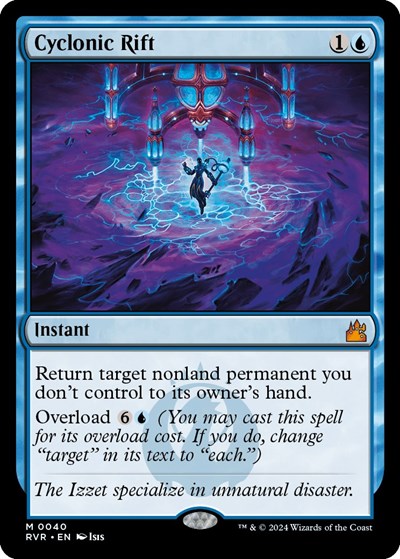
Cyclonic Rift (Anime Borderless)
$107.021 in 275
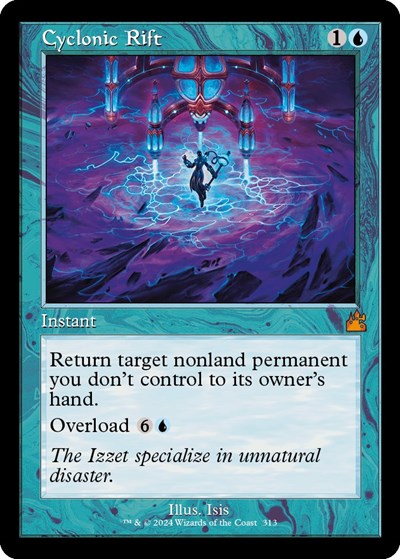
Cyclonic Rift (Retro Frame)
$80.041 in 245
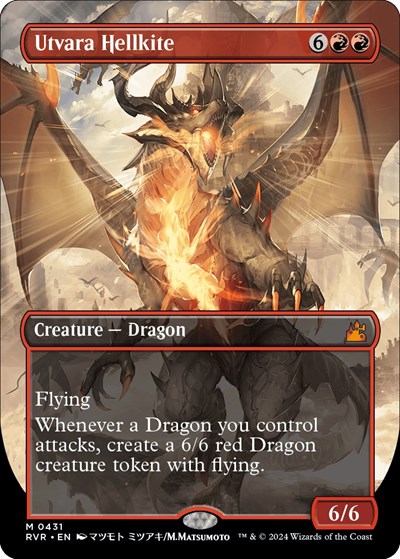
Utvara Hellkite (Anime Borderless)
$75.211 in 275
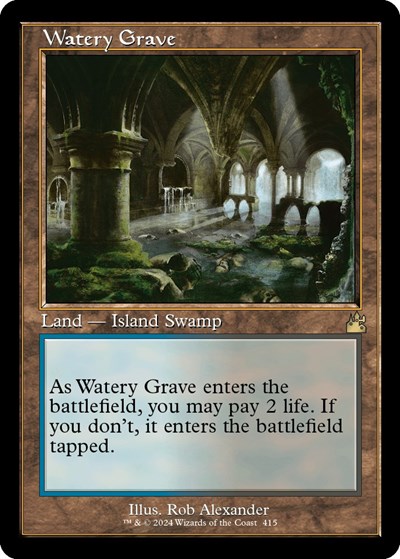
Watery Grave (Retro Frame)
$62.231 in 92
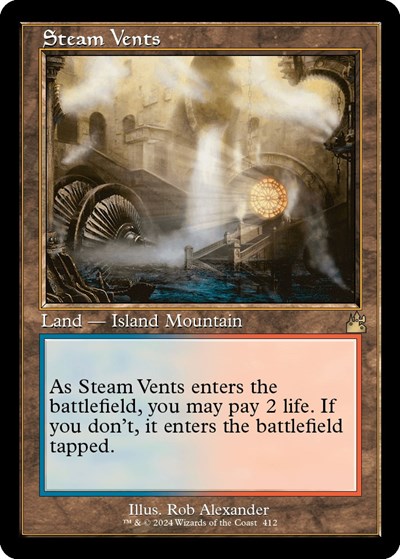
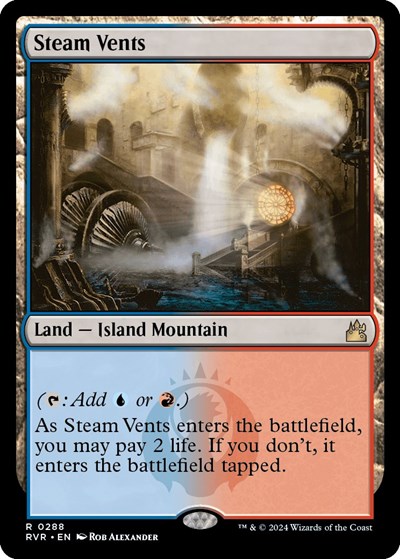
Steam Vents (Retro Frame)
$60.061 in 92
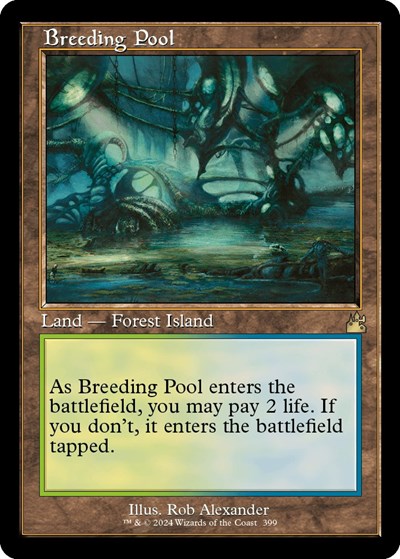
Breeding Pool (Retro Frame)
$52.711 in 92
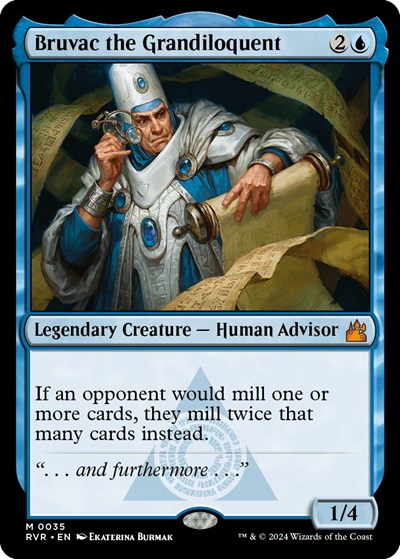
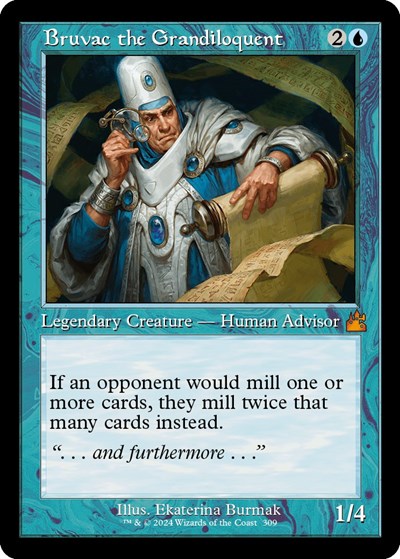
Bruvac the Grandiloquent
$50.841 in 167
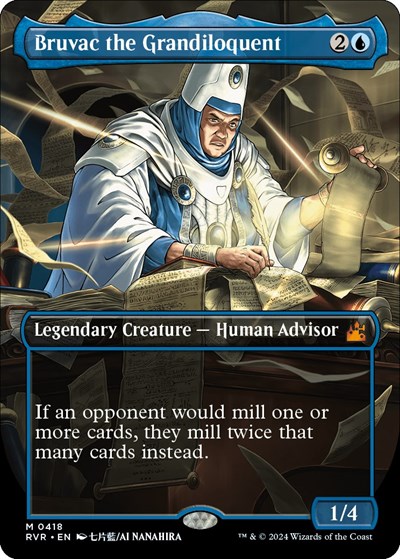
Bruvac the Grandiloquent (Anime Borderless)
$50.181 in 275
607 of 625 valued in Near Mint
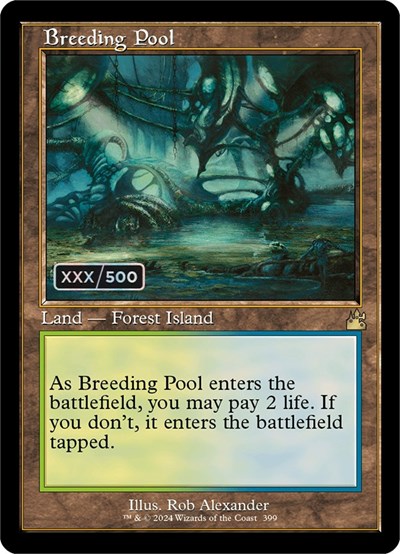
Breeding Pool (Retro Frame) (Serial Numbered)
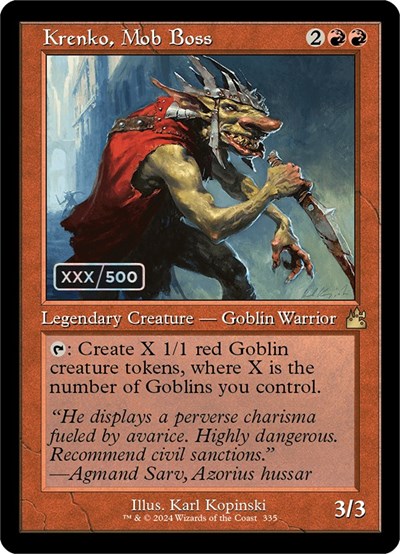
Krenko, Mob Boss (Retro Frame) (Serial Numbered)
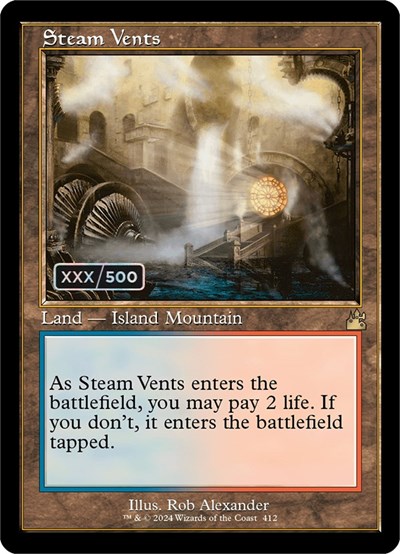
Steam Vents (Retro Frame) (Serial Numbered)
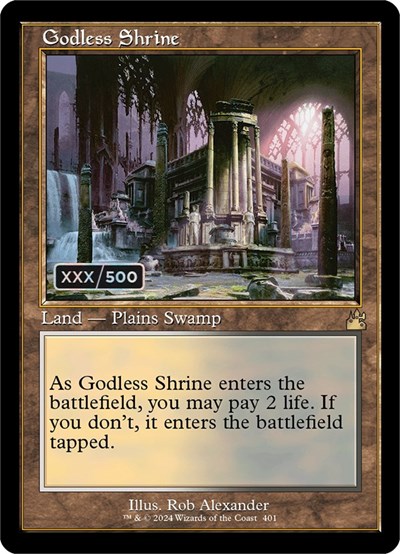
Godless Shrine (Retro Frame) (Serial Numbered)
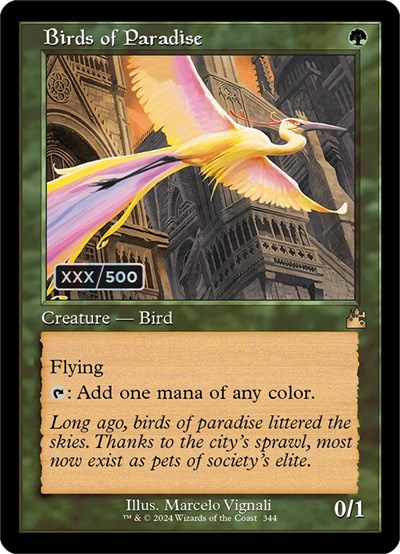
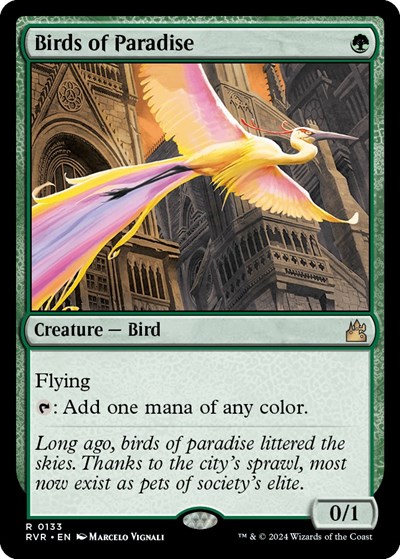
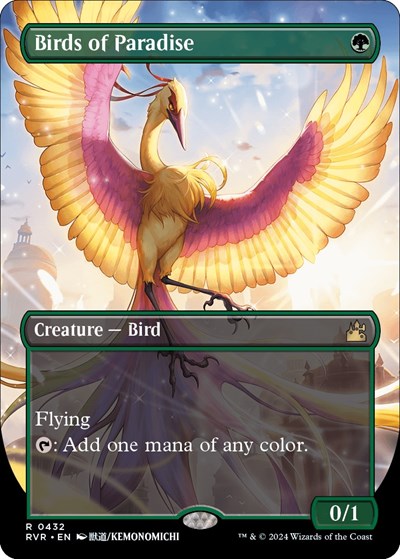
Birds of Paradise (Retro Frame) (Serial Numbered)
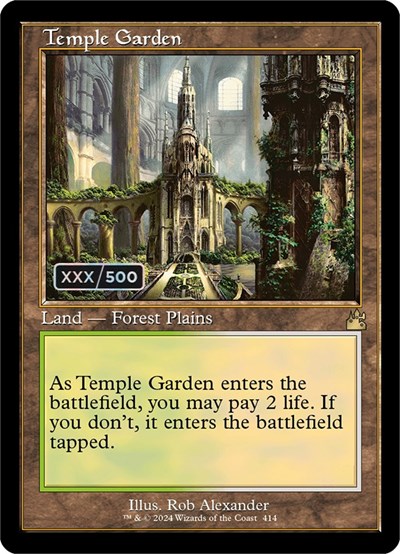
Temple Garden (Retro Frame) (Serial Numbered)
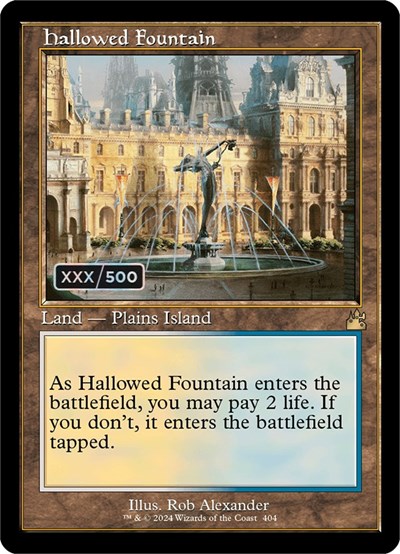
Hallowed Fountain (Retro Frame) (Serial Numbered)
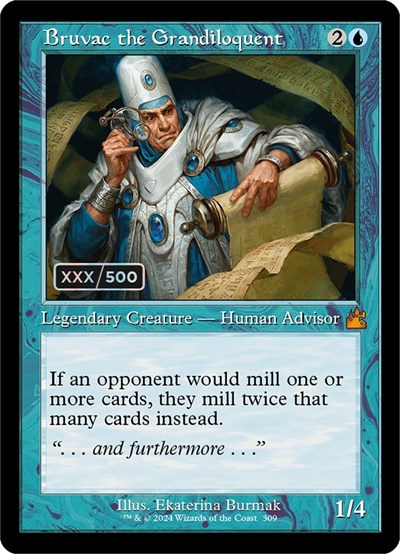
Bruvac the Grandiloquent (Retro Frame) (Serial Numbered)
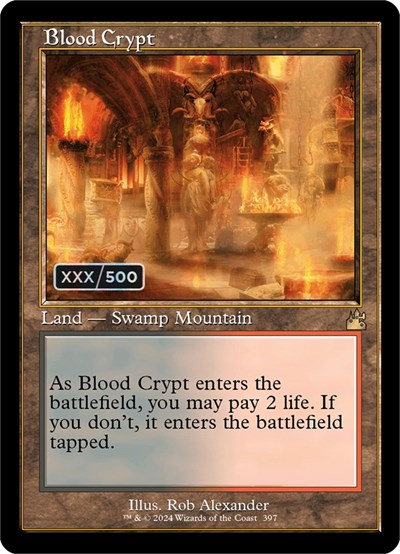
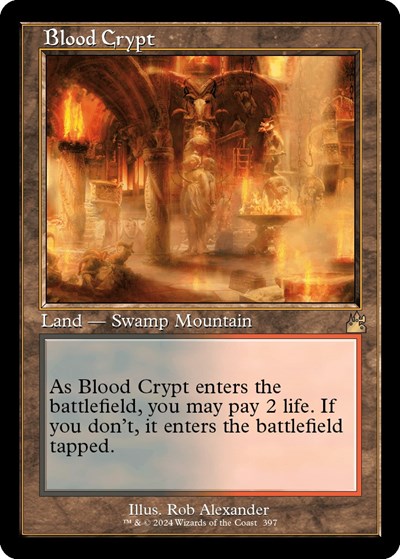
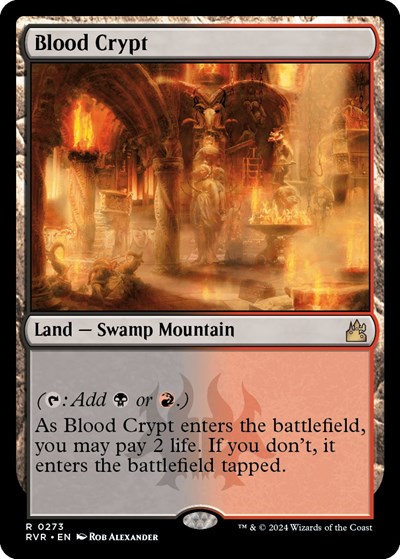
Blood Crypt (Retro Frame) (Serial Numbered)
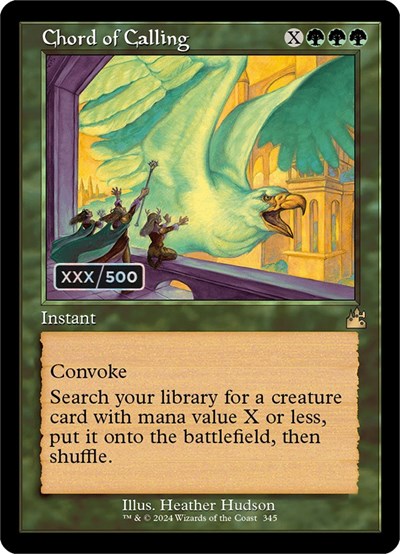
Chord of Calling (Retro Frame) (Serial Numbered)
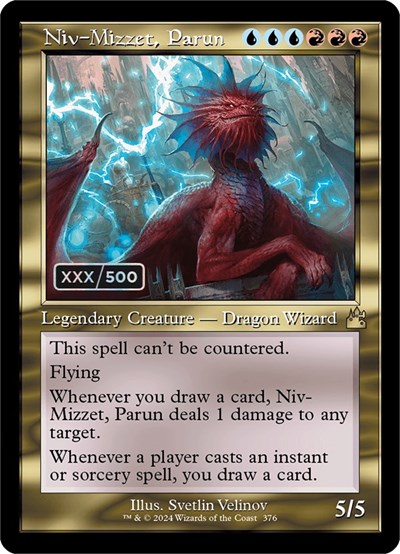
Niv-Mizzet, Parun (Retro Frame) (Serial Numbered)
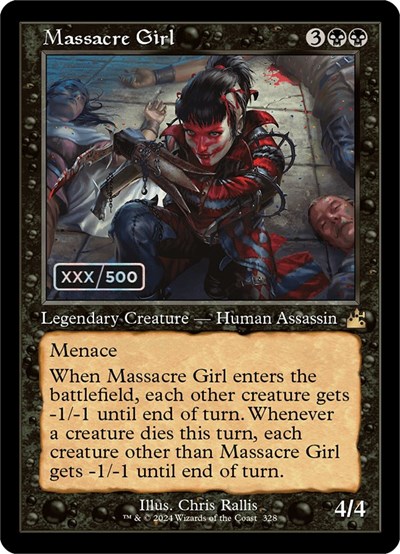
Massacre Girl (Retro Frame) (Serial Numbered)
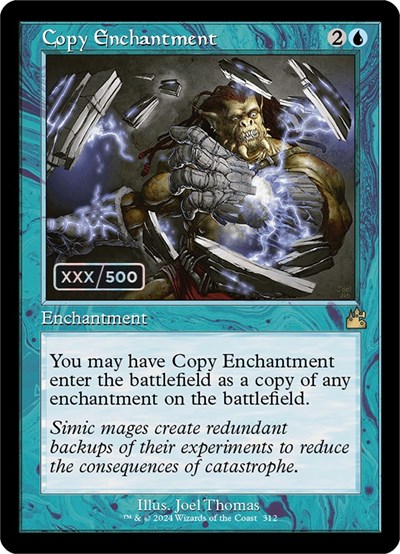
Copy Enchantment (Retro Frame) (Serial Numbered)
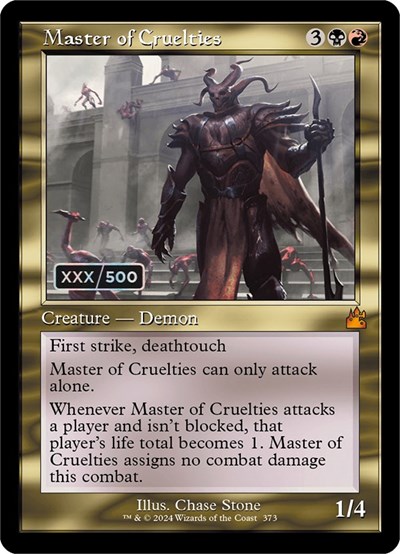
Master of Cruelties (Retro Frame) (Serial Numbered)
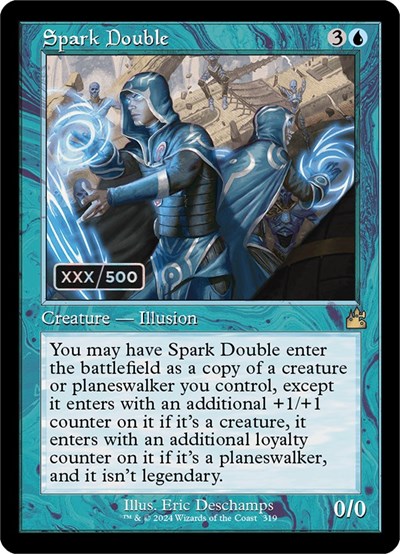
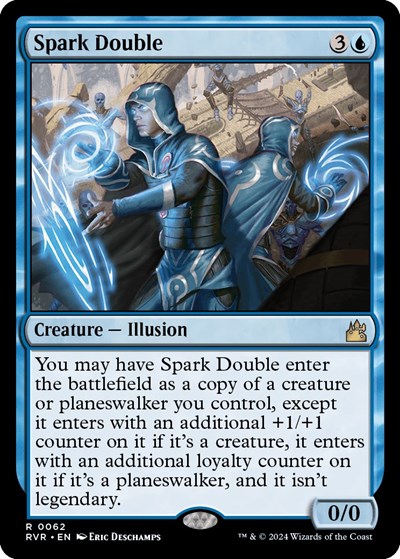
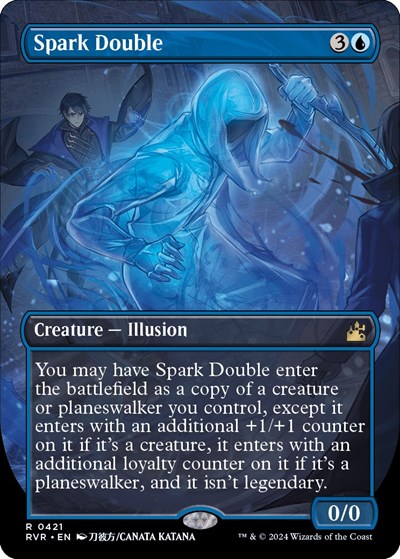
Spark Double (Retro Frame) (Serial Numbered)
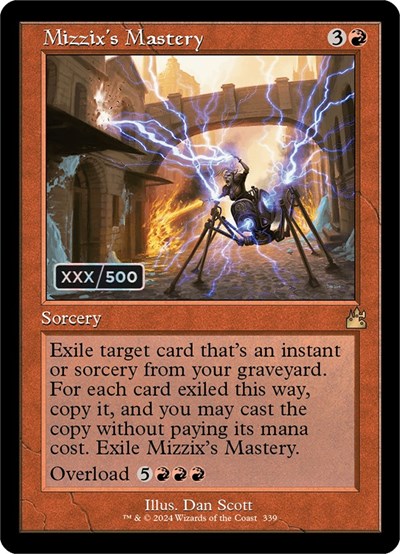
Mizzix's Mastery (Retro Frame) (Serial Numbered)
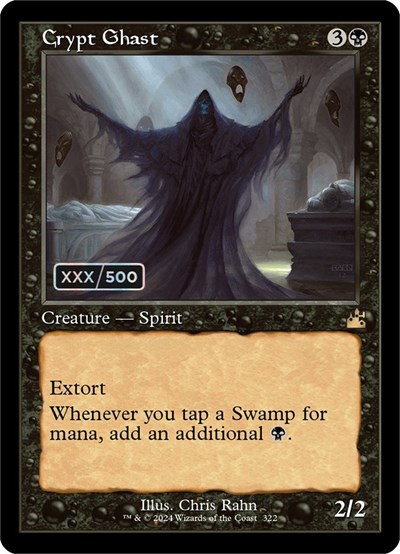
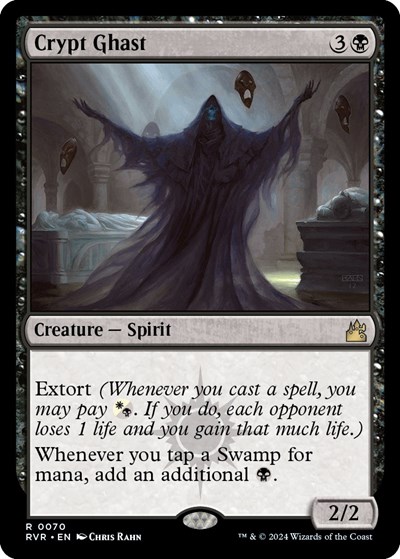
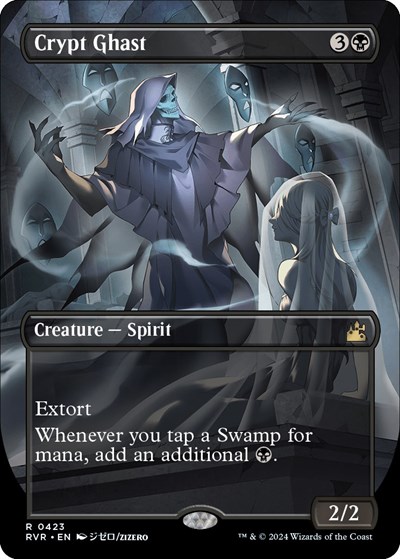
Crypt Ghast (Retro Frame) (Serial Numbered)
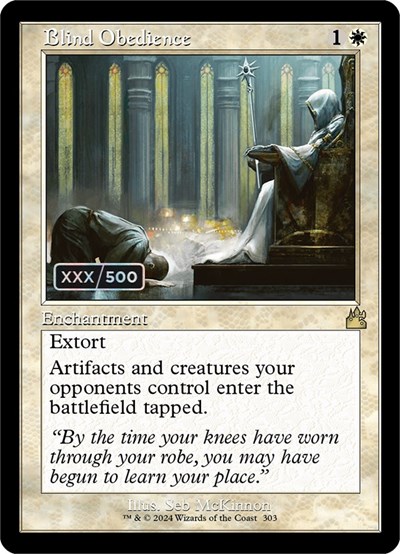
Blind Obedience (Retro Frame) (Serial Numbered)
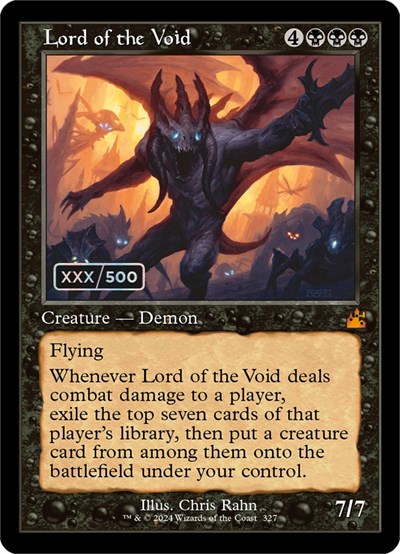
Lord of the Void (Retro Frame) (Serial Numbered)
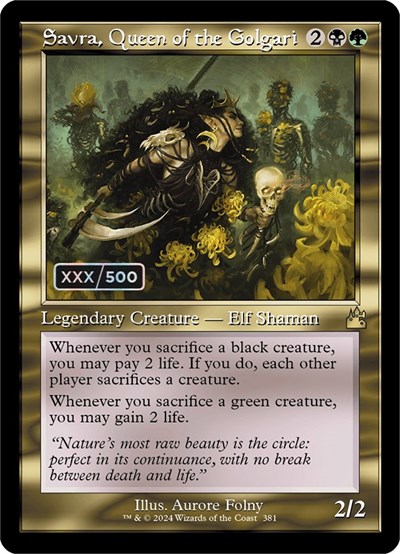
Savra, Queen of the Golgari (Retro Frame) (Serial Numbered)
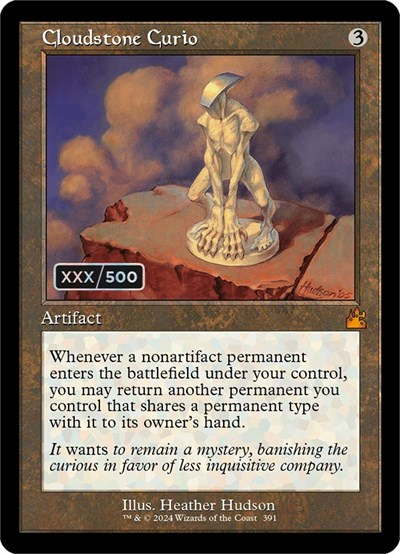
Cloudstone Curio (Retro Frame) (Serial Numbered)
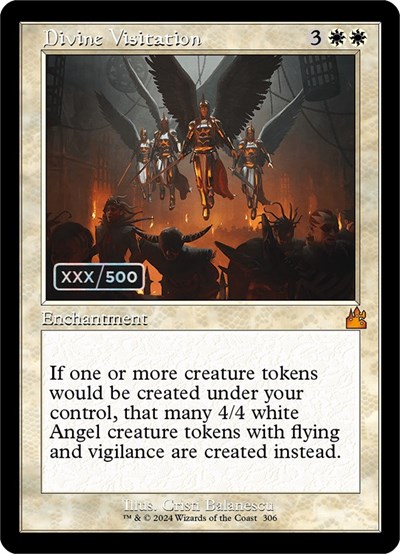
Divine Visitation (Retro Frame) (Serial Numbered)
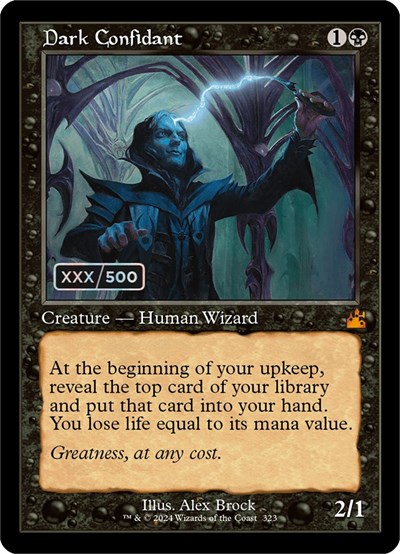
Dark Confidant (Retro Frame) (Serial Numbered)
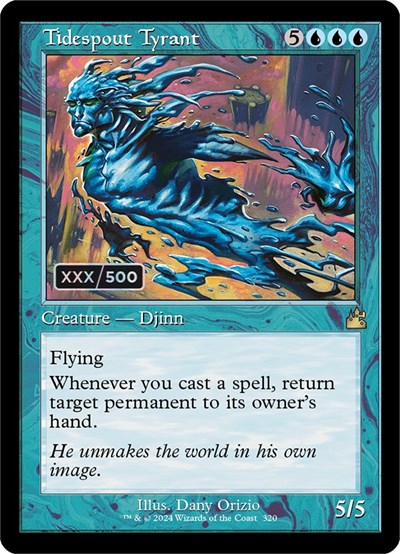
Tidespout Tyrant (Retro Frame) (Serial Numbered)
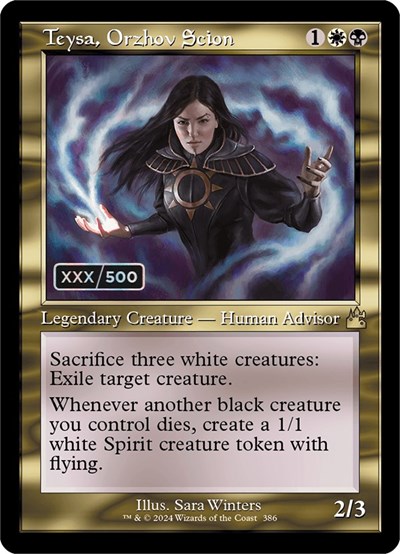
Teysa, Orzhov Scion (Retro Frame) (Serial Numbered)
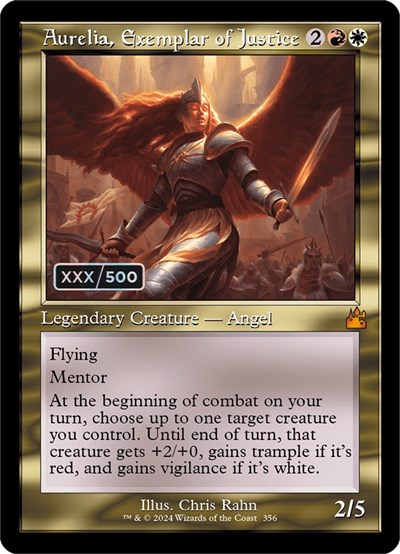
Aurelia, Exemplar of Justice (Retro Frame) (Serial Numbered)
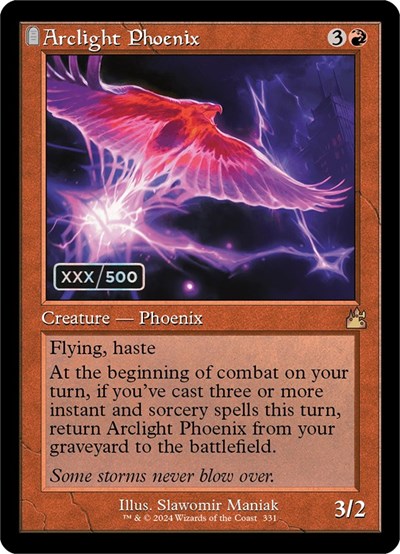
Arclight Phoenix (Retro Frame) (Serial Numbered)
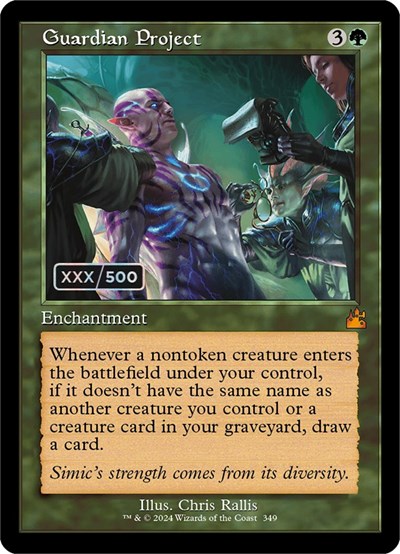
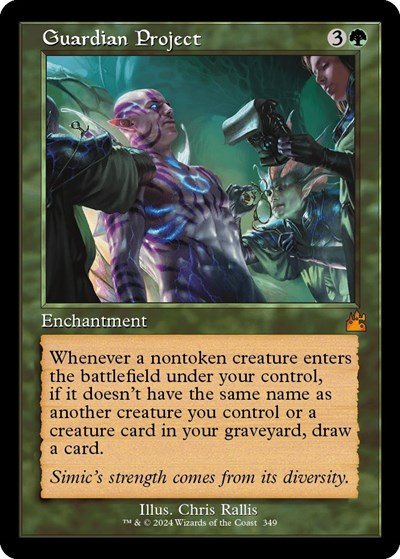
Guardian Project (Retro Frame) (Serial Numbered)
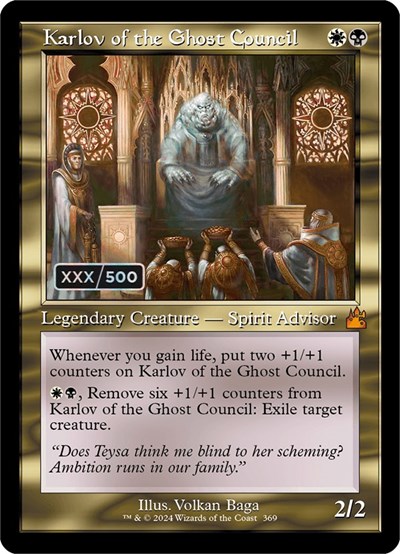
Karlov of the Ghost Council (Retro Frame) (Serial Numbered)
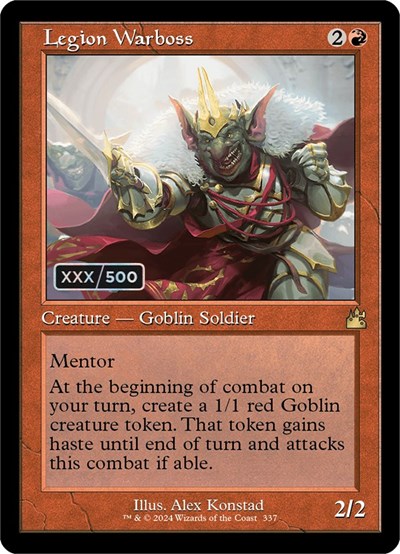
Legion Warboss (Retro Frame) (Serial Numbered)
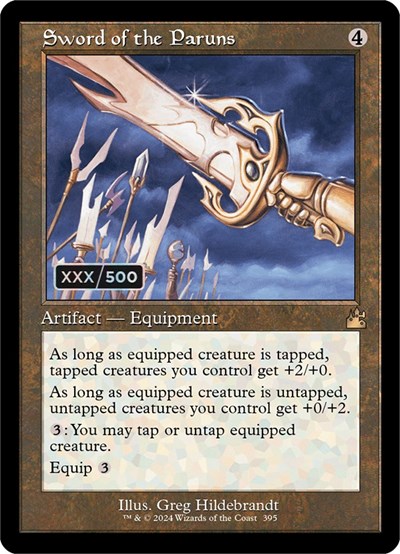
Sword of the Paruns (Retro Frame) (Serial Numbered)
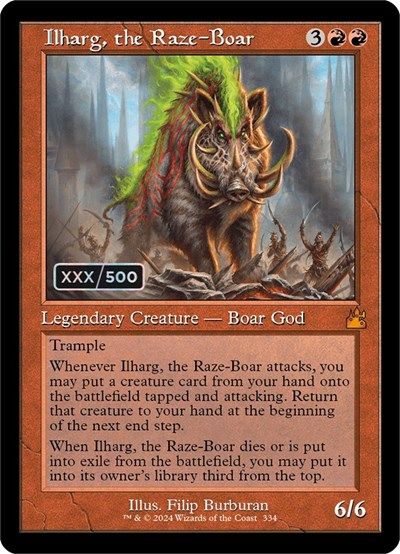
Ilharg, the Raze-Boar (Retro Frame) (Serial Numbered)
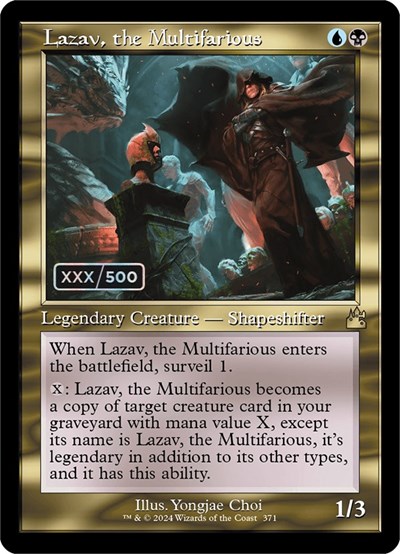
Lazav, the Multifarious (Retro Frame) (Serial Numbered)
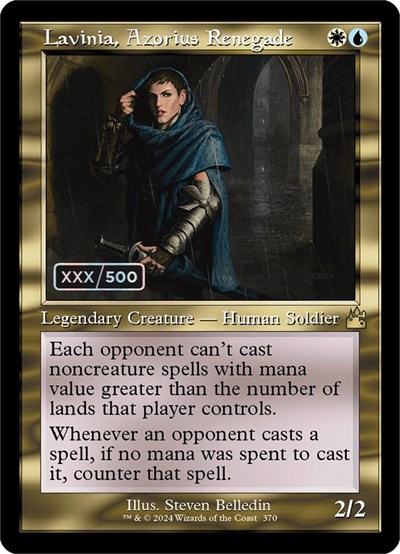
Lavinia, Azorius Renegade (Retro Frame) (Serial Numbered)
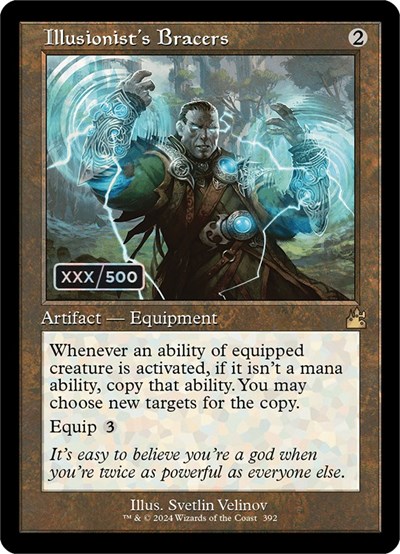
Illusionist's Bracers (Retro Frame) (Serial Numbered)
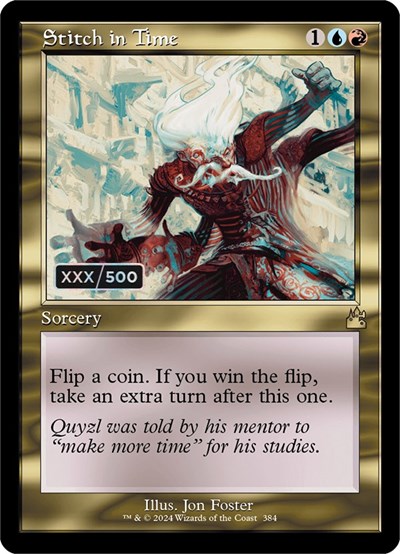
Stitch in Time (Retro Frame) (Serial Numbered)
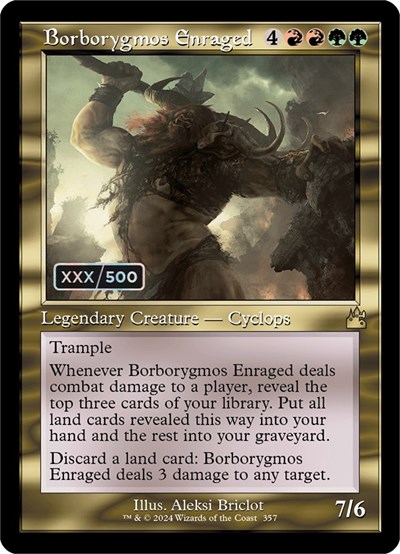
Borborygmos Enraged (Retro Frame) (Serial Numbered)
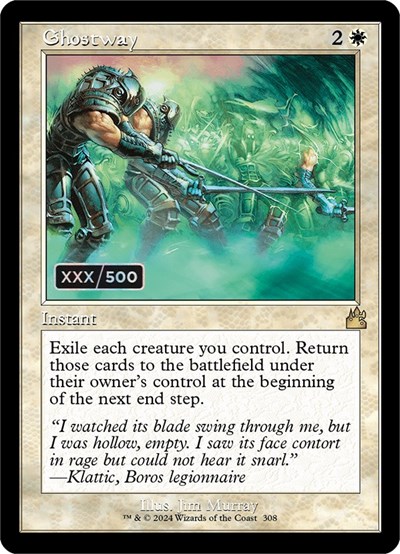
Ghostway (Retro Frame) (Serial Numbered)
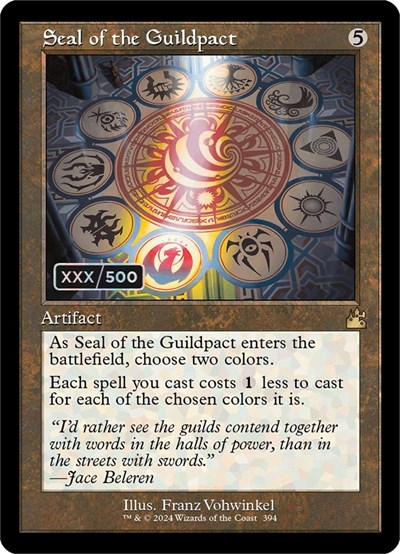
Seal of the Guildpact (Retro Frame) (Serial Numbered)
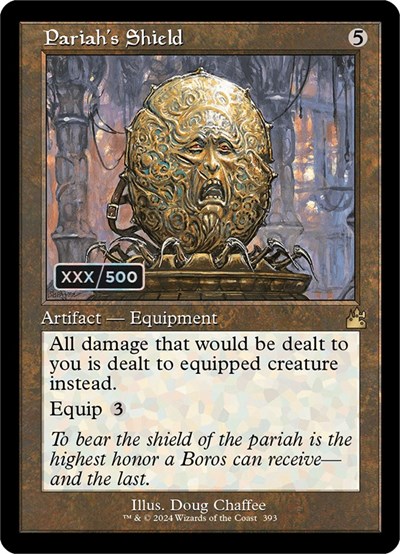
Pariah's Shield (Retro Frame) (Serial Numbered)
625 singles tracked