
Booster Box
25th Anniversary Rarity Collection II Booster Box
- Market Price
- $73.61
- MSRP
- $239.76*
- Against MSRP
- ▼ 69% vs MSRP
$4.09 per pack
What's inside
Inside
18×Booster Pack
RA02 · Yu-Gi-Oh!
567 cards, led by Ghost Ogre & Snow Rabbit (Alternate Art) (Quarter Century Secret Rare) at $28.49.
Released May 24, 2024
Set index · RA02
93.09
−2.56 (−2.67%)3M


The 5 most valuable · $20.77 – $28.49
A score that started near 100. It rises when its Near Mint English cards sell for more than they did.
Every way 25th Anniversary Rarity Collection II was sold, priced.
3 products
Booster Box
25th Anniversary Rarity Collection II Booster Box
$4.09 per pack
Inside
Collection Box
Booster Pack
Collection Box
Mini Box (Retail Exclusive)
$11.53 per pack
Inside
* Standard MSRP for that product type, or a bundle's count × that price.
567 of 567 valued in Near Mint
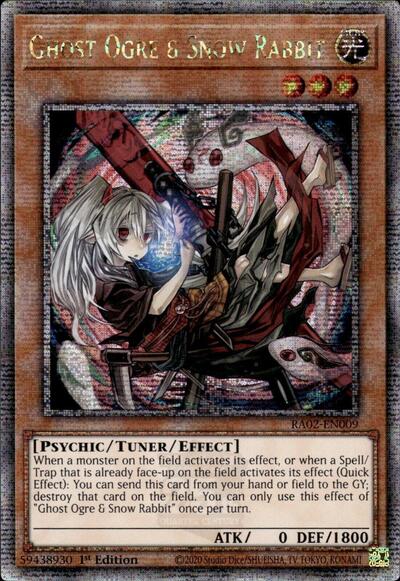
Ghost Ogre & Snow Rabbit (Alternate Art) (Quarter Century Secret Rare)
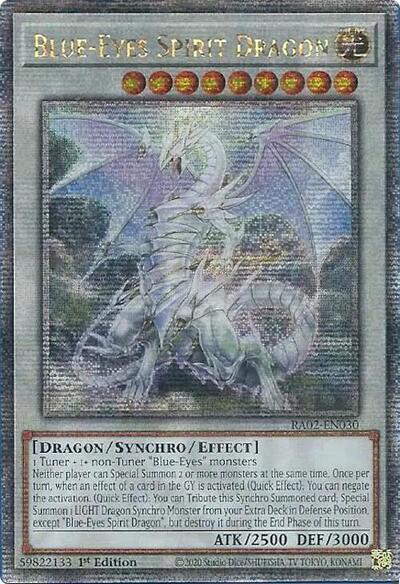
Blue-Eyes Spirit Dragon (Quarter Century Secret Rare)
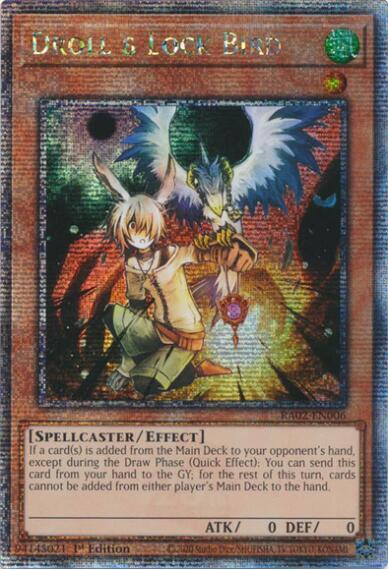
Droll & Lock Bird (Quarter Century Secret Rare)
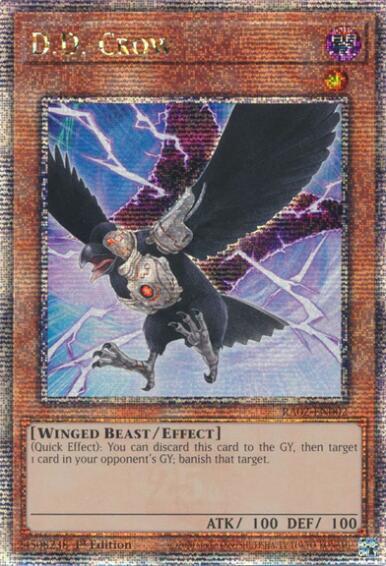
D.D. Crow (Quarter Century Secret Rare)
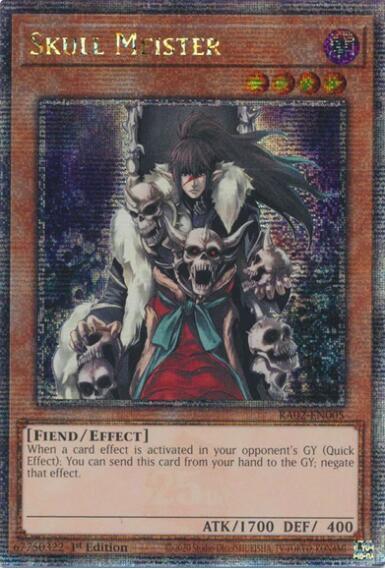
Skull Meister (Quarter Century Secret Rare)
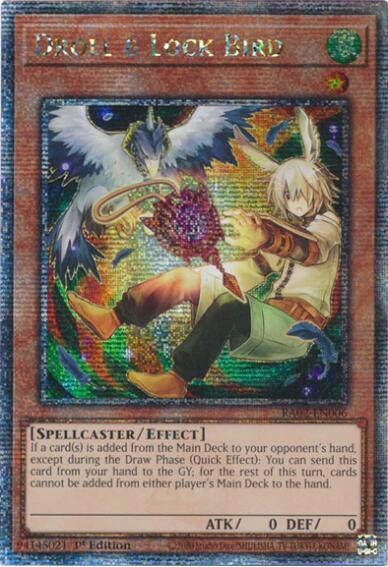
Droll & Lock Bird (Alternate Art) (Quarter Century Secret Rare)
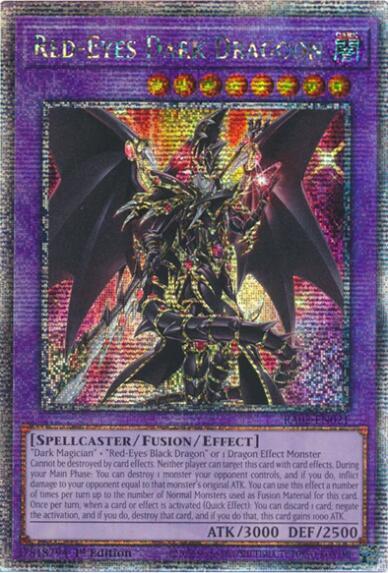
Red-Eyes Dark Dragoon (Quarter Century Secret Rare)
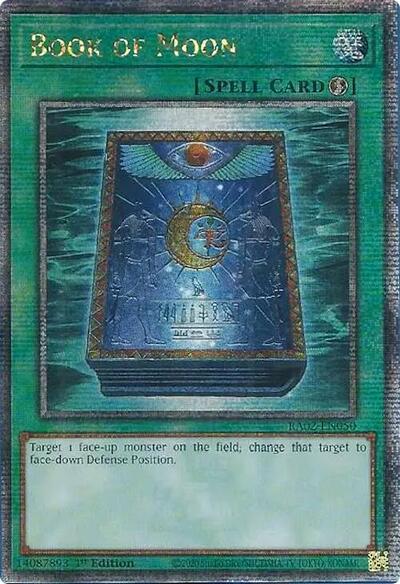
Book of Moon (Quarter Century Secret Rare)
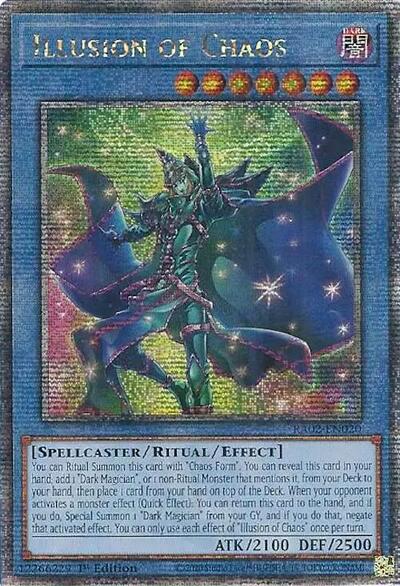
Illusion of Chaos (Quarter Century Secret Rare)
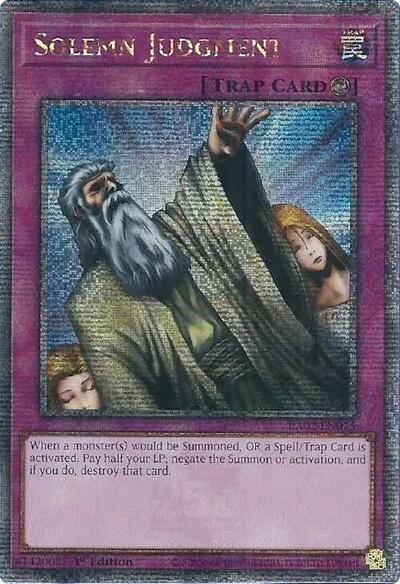
Solemn Judgment (Quarter Century Secret Rare)
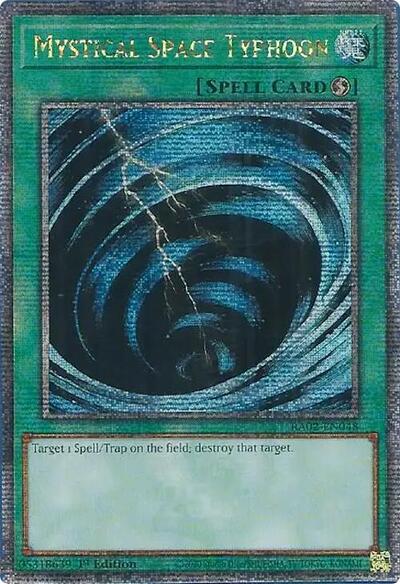
Mystical Space Typhoon (Quarter Century Secret Rare)
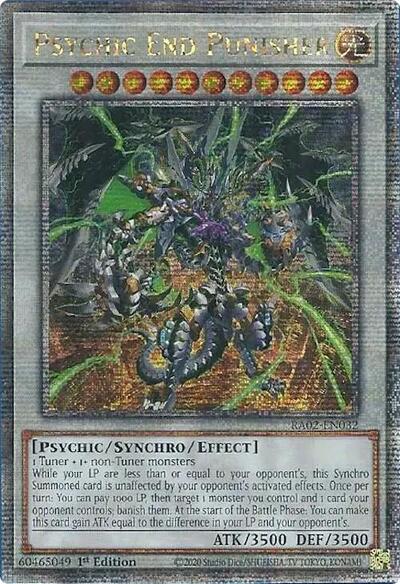
Psychic End Punisher (Quarter Century Secret Rare)
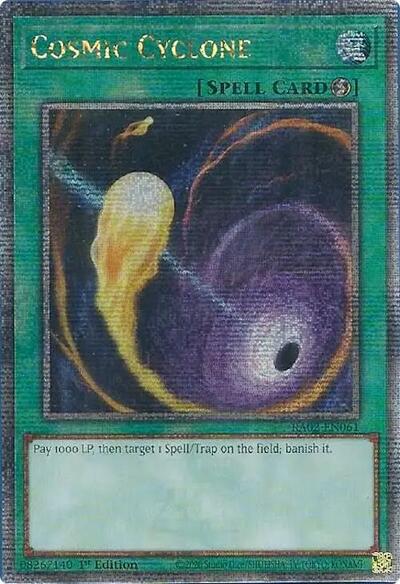
Cosmic Cyclone (Quarter Century Secret Rare)
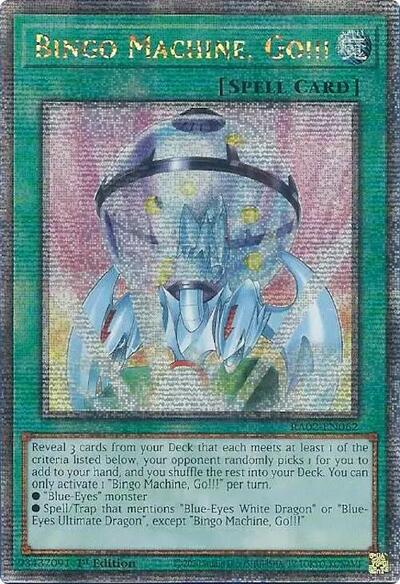
Bingo Machine, Go!!! (Quarter Century Secret Rare)
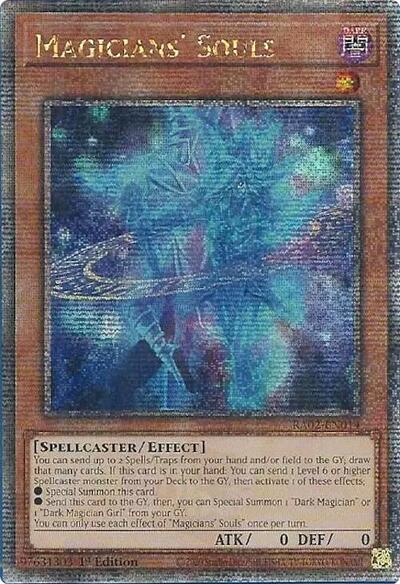
Magicians' Souls (Quarter Century Secret Rare)
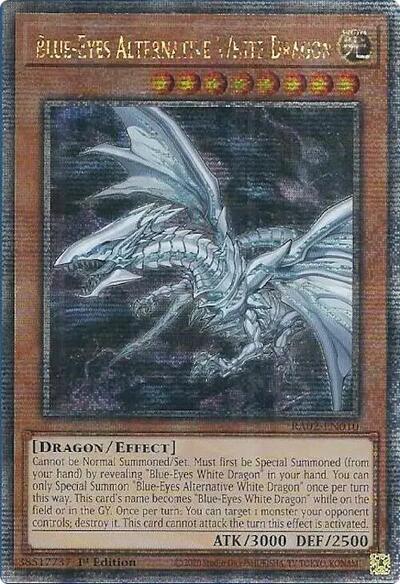
Blue-Eyes Alternative White Dragon (Quarter Century Secret Rare)
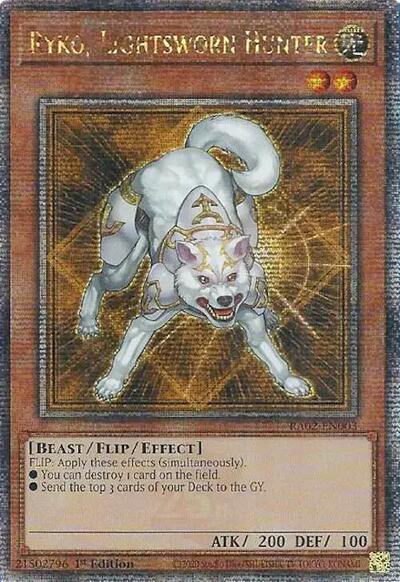
Ryko, Lightsworn Hunter (Quarter Century Secret Rare)
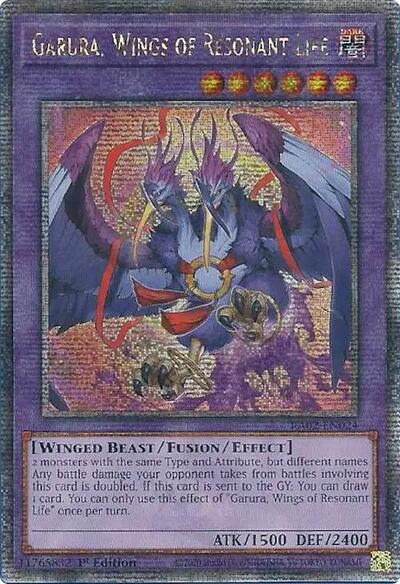
Garura, Wings of Resonant Life (Quarter Century Secret Rare)
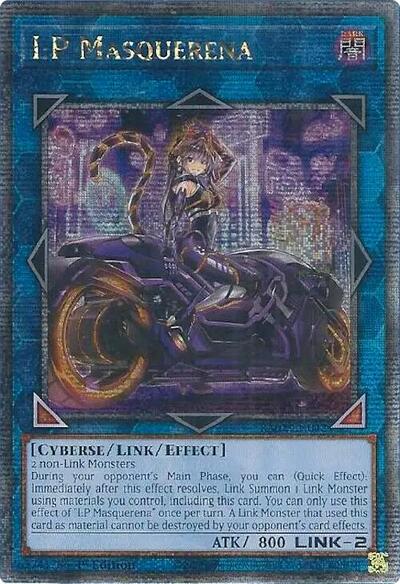
I:P Masquerena (Alternate Art) (Quarter Century Secret Rare)
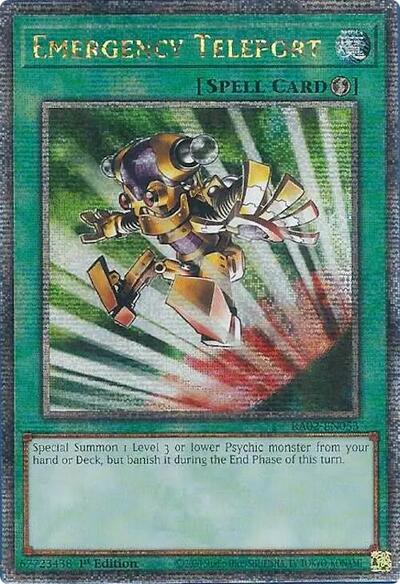
Emergency Teleport (Quarter Century Secret Rare)
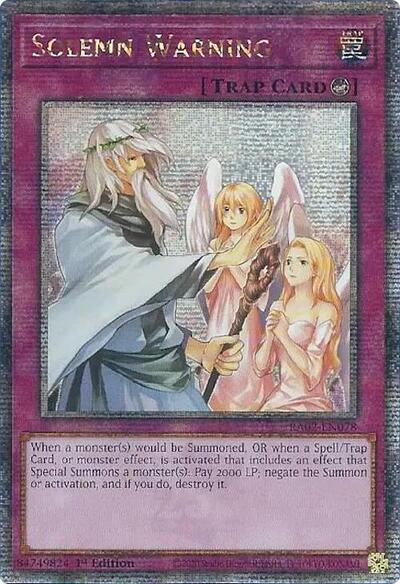
Solemn Warning (Quarter Century Secret Rare)
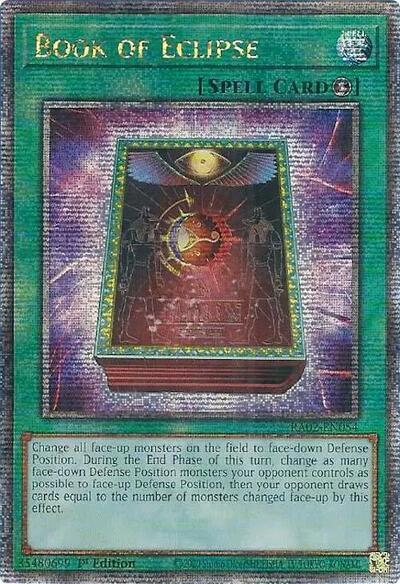
Book of Eclipse (Quarter Century Secret Rare)
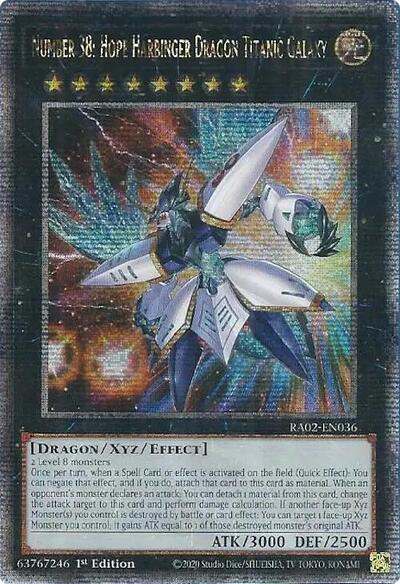
Number 38: Hope Harbinger Dragon Titanic Galaxy (Quarter Century Secret Rare)
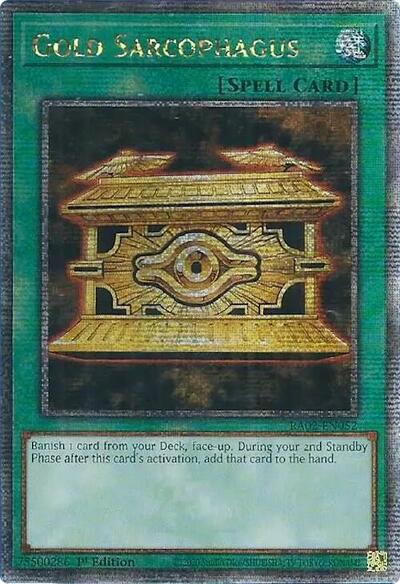
Gold Sarcophagus (Quarter Century Secret Rare)
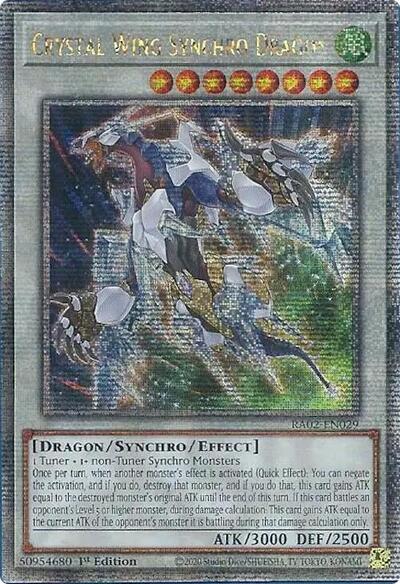
Crystal Wing Synchro Dragon (Quarter Century Secret Rare)
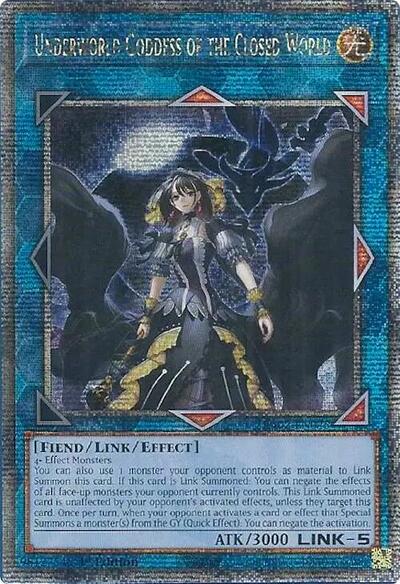
Underworld Goddess of the Closed World (Quarter Century Secret Rare)
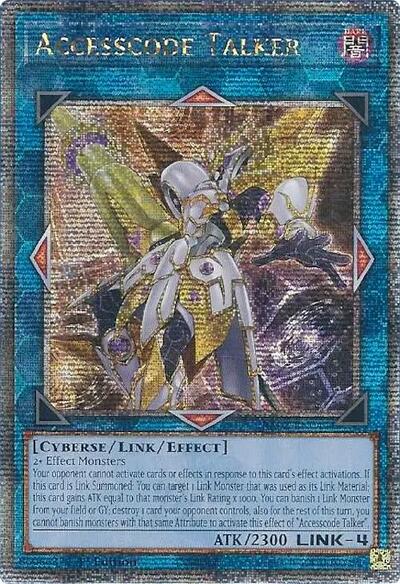
Accesscode Talker (Quarter Century Secret Rare)
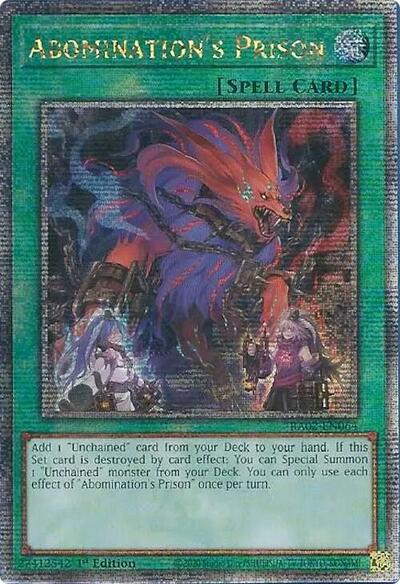
Abomination's Prison (Quarter Century Secret Rare)
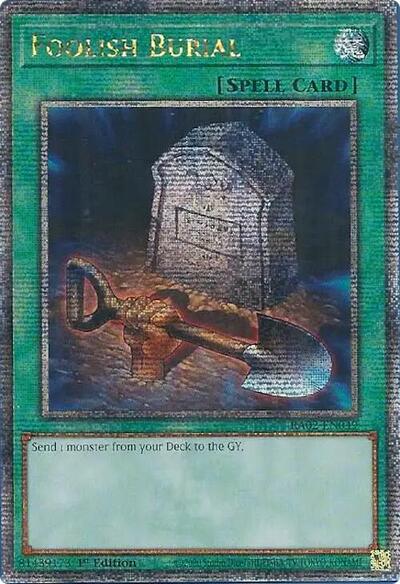
Foolish Burial (Quarter Century Secret Rare)
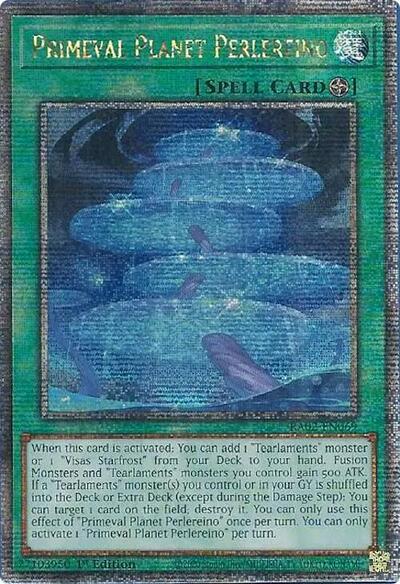
Primeval Planet Perlereino (Quarter Century Secret Rare)
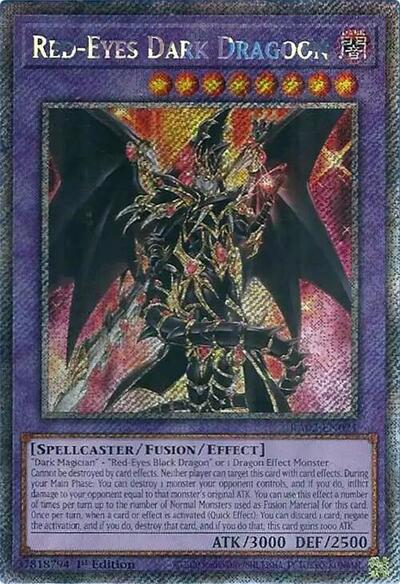
Red-Eyes Dark Dragoon (Platinum Secret Rare)
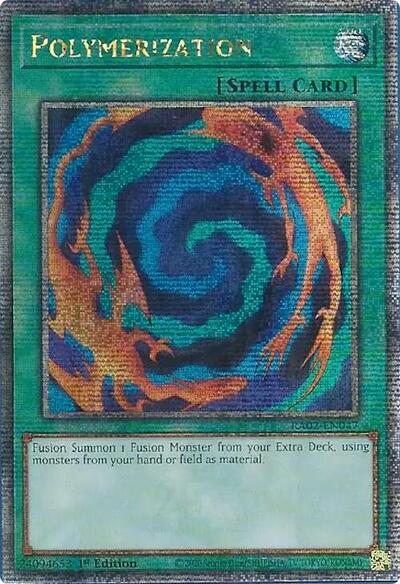
Polymerization (Quarter Century Secret Rare)
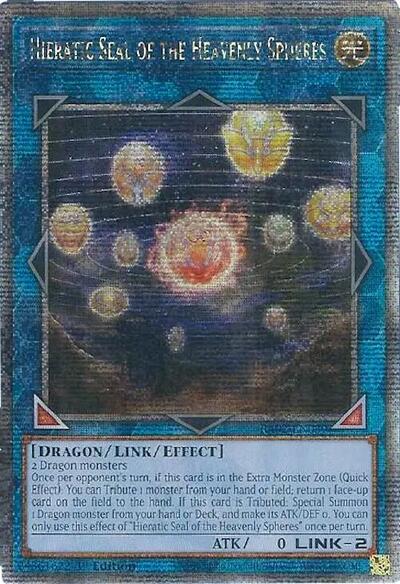
Hieratic Seal of the Heavenly Spheres (Quarter Century Secret Rare)
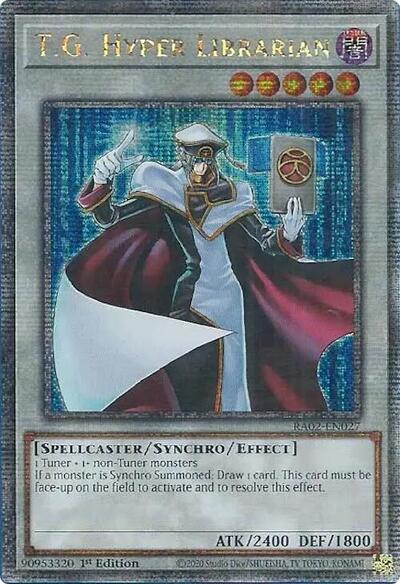
T.G. Hyper Librarian (Quarter Century Secret Rare)
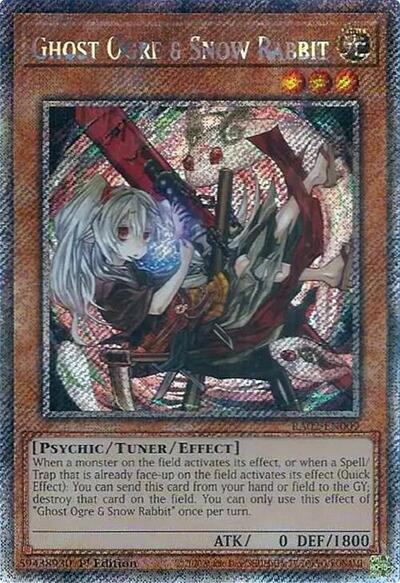
Ghost Ogre & Snow Rabbit (Alternate Art) (Platinum Secret Rare)
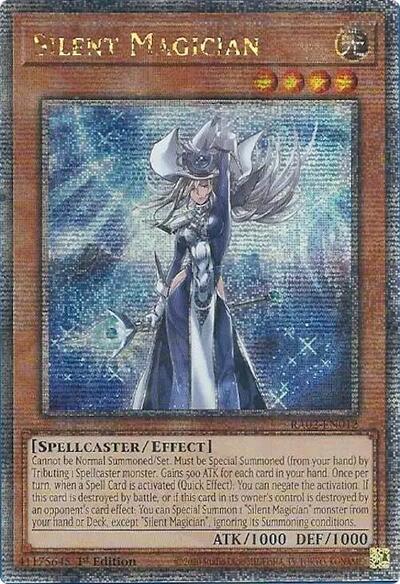
Silent Magician (Quarter Century Secret Rare)
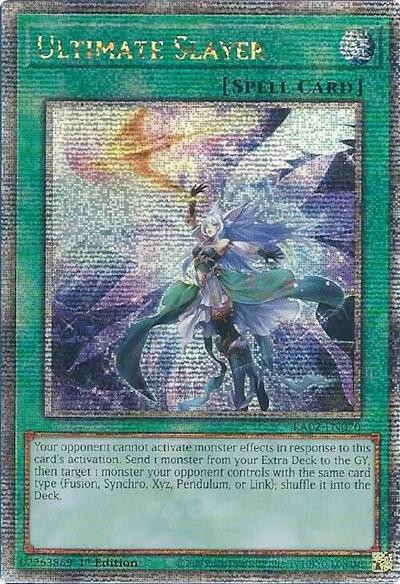
Ultimate Slayer (Quarter Century Secret Rare)
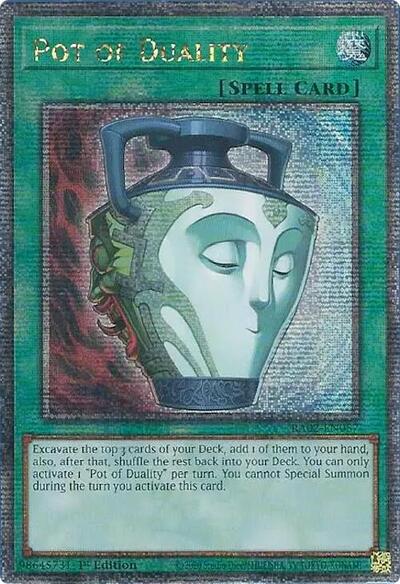
Pot of Duality (Quarter Century Secret Rare)
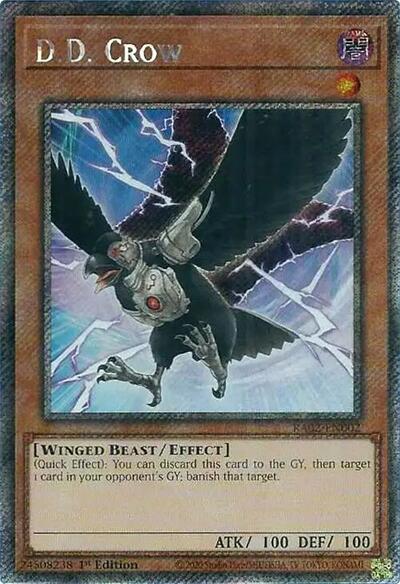
D.D. Crow (Platinum Secret Rare)
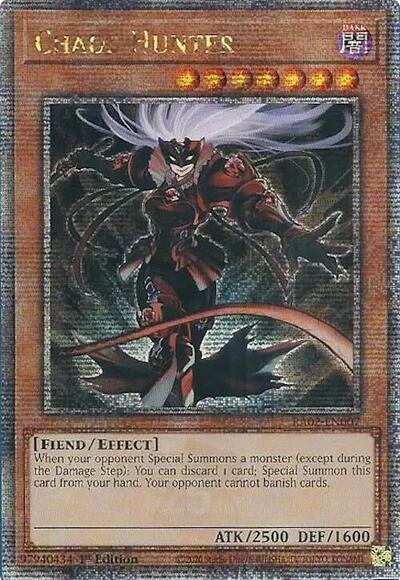
Chaos Hunter (Quarter Century Secret Rare)
567 singles tracked