
Booster Pack
Chaos Origins Booster Pack [1st Edition]
- Market Price
- $4.85
- MSRP
- $4.49*
- Against MSRP
- ▲ 8% vs MSRP
- Loose
- $4.85
- Each, in the sealed product
- $3.73
CORI · Yu-Gi-Oh!
136 cards, led by Magician of Dark Chaos - Black Chaos (Starlight Rare) (Extended Art) at $436.68.
Released Jul 3, 2026
Set index · CORI
12.74
+0.19 (+1.54%)3M


The 5 most valuable · $95.59 – $436.68
A score that started near 100. It rises when its Near Mint English cards sell for more than they did.
Every way Chaos Origins was sold, priced.
3 products
Booster Pack
Booster Box
Inside
Collection Box
Tuck Box (Retail Exclusive)
$8.33 per pack
InsideReported
* Standard MSRP for that product type, or a bundle's count × that price.
136 of 136 valued in Near Mint
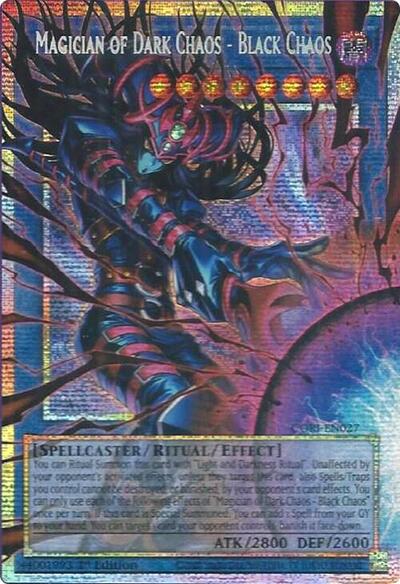
Magician of Dark Chaos - Black Chaos (Starlight Rare) (Extended Art)
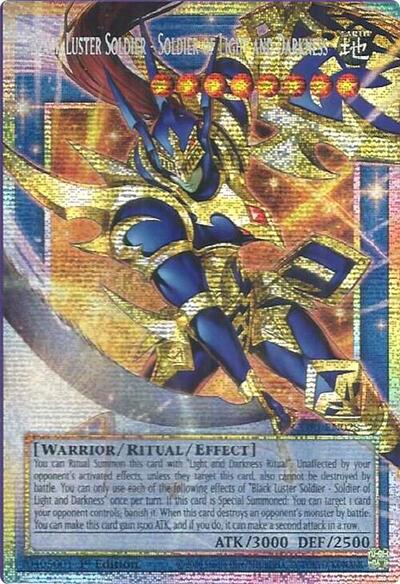
Black Luster Soldier - Soldier of Light and Darkness (Starlight Rare) (Extended Art)
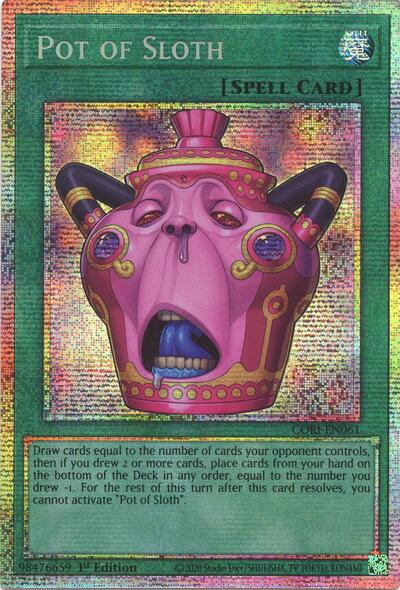
Pot of Sloth (Starlight Rare)
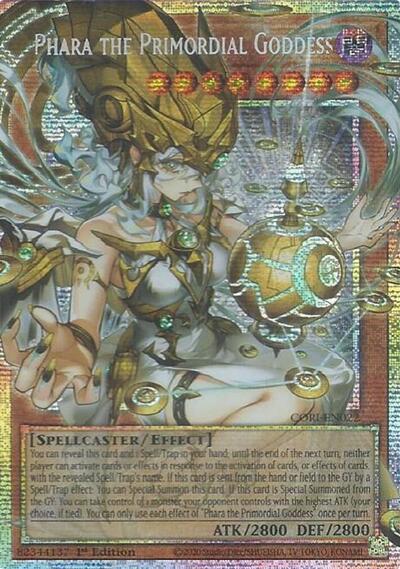
Phara the Primordial Goddess (Starlight Rare) (Extended Art)
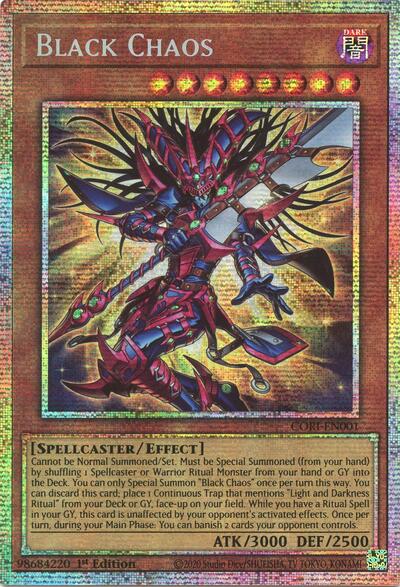
Black Chaos (Starlight Rare)
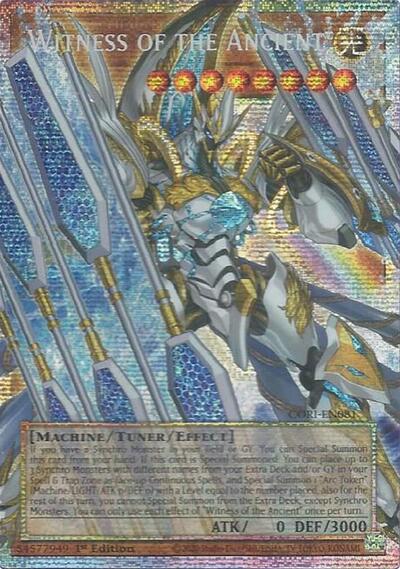
Witness of the Ancient (Starlight Rare) (Extended Art)
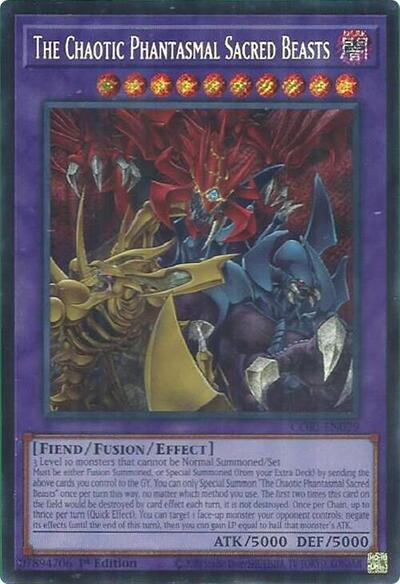
The Chaotic Phantasmal Sacred Beasts (Starlight Rare)
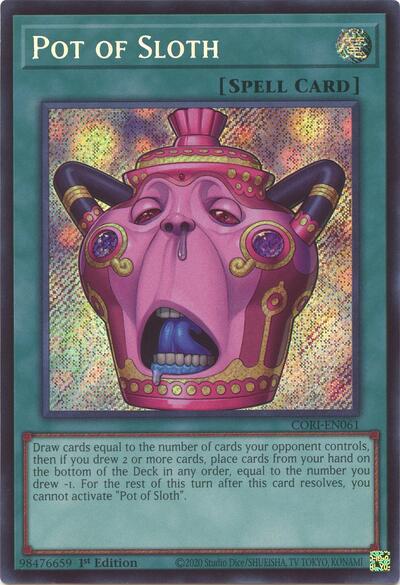
Pot of Sloth
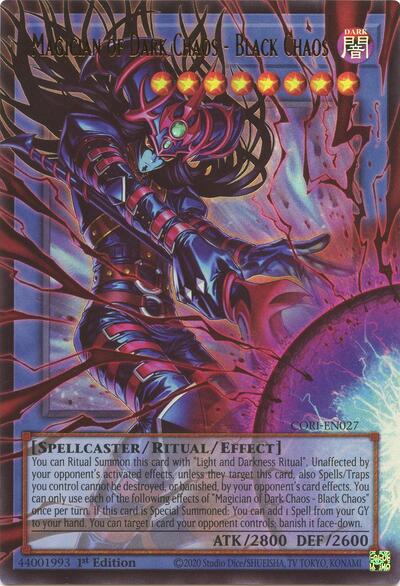
Magician of Dark Chaos - Black Chaos (Extended Art)
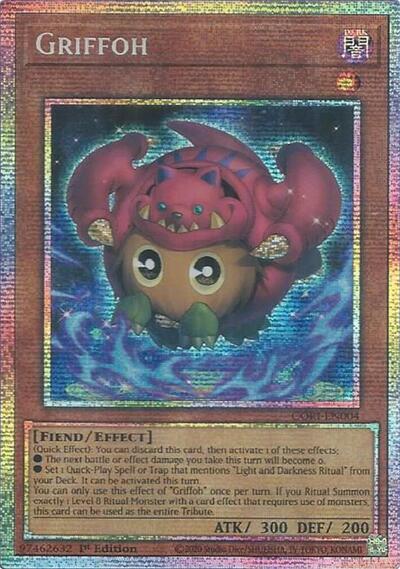
Griffoh (Starlight Rare)
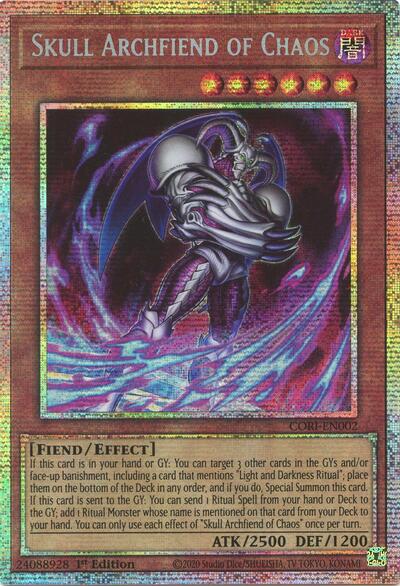
Skull Archfiend of Chaos (Starlight Rare)
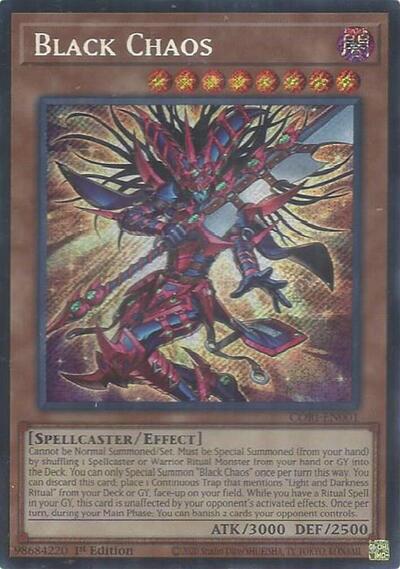
Black Chaos
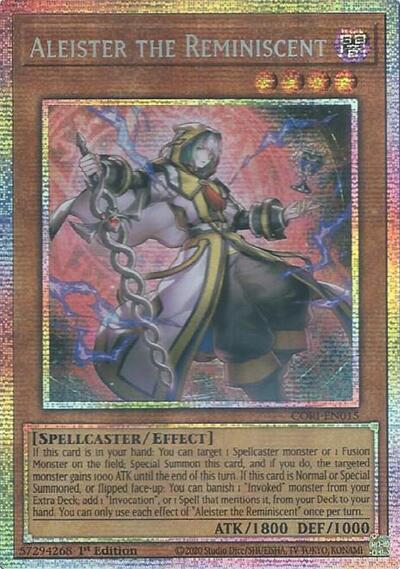
Aleister the Reminiscent (Starlight Rare)
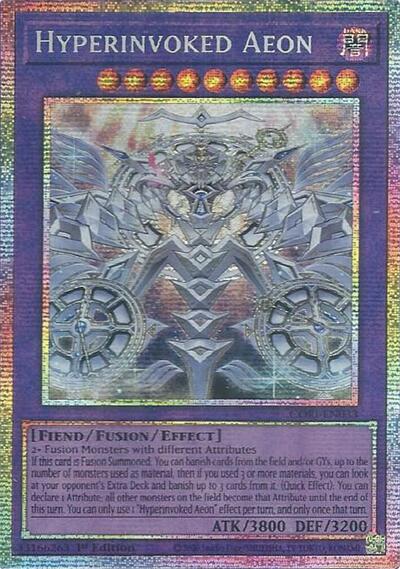
Hyperinvoked Aeon (Starlight Rare)
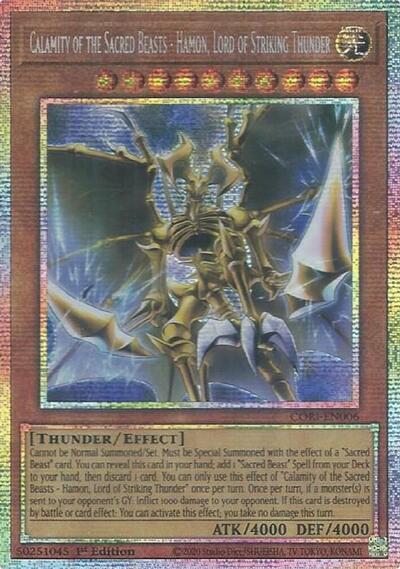
Calamity of the Sacred Beasts - Hamon, Lord of Striking Thunder (Starlight Rare)
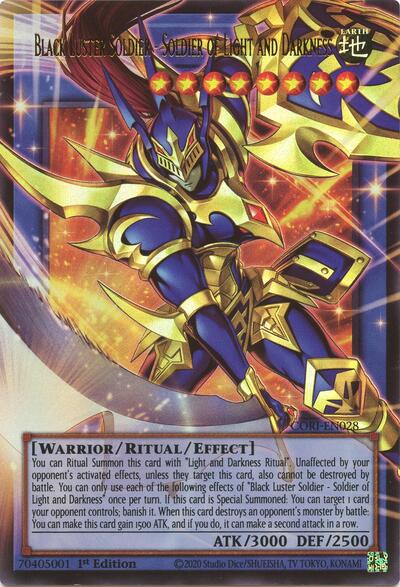
Black Luster Soldier - Soldier of Light and Darkness (Extended Art)
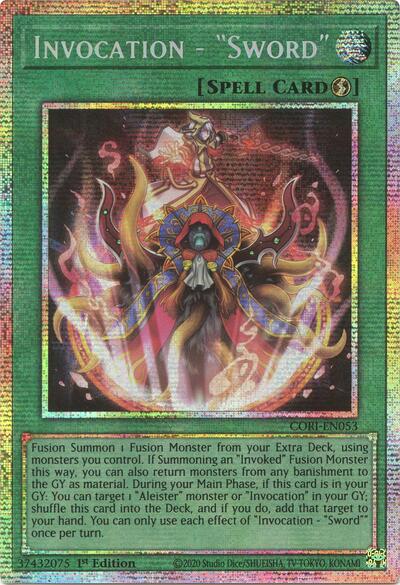
Invocation - "Sword" (Starlight Rare)
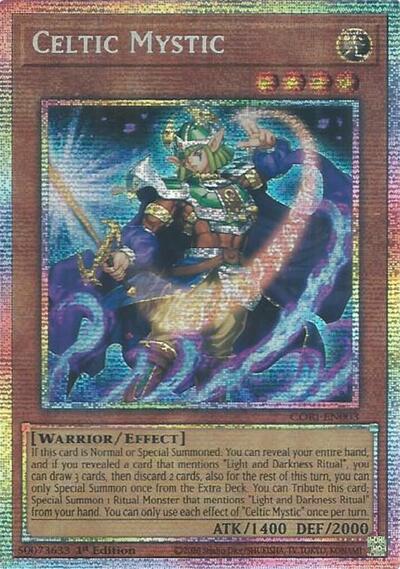
Celtic Mystic (Starlight Rare)
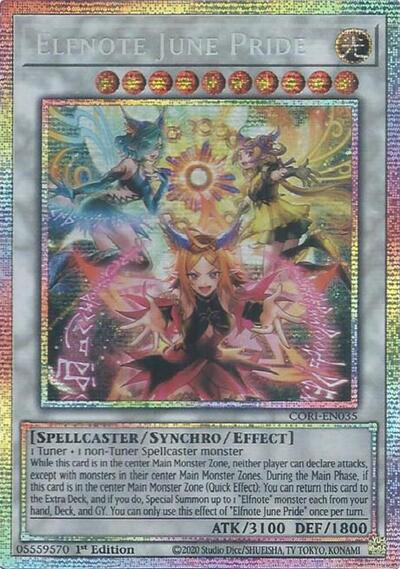
Elfnote June Pride (Starlight Rare)
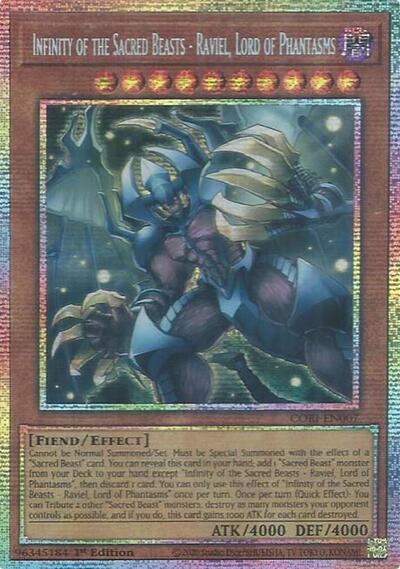
Infinity of the Sacred Beasts - Raviel, Lord of Phantasms (Starlight Rare)
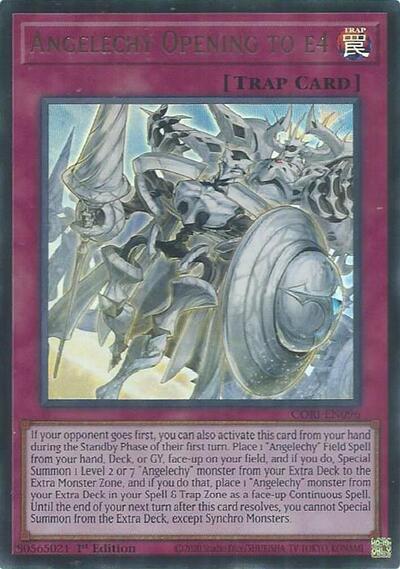
Angelechy Opening to e4
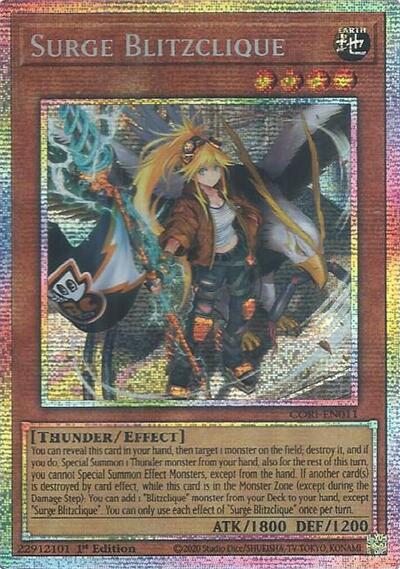
Surge Blitzclique (Starlight Rare)
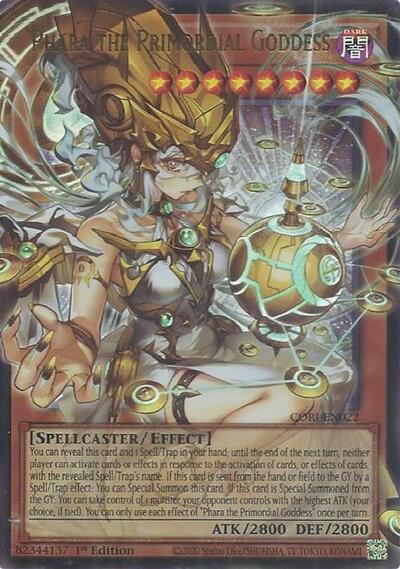
Phara the Primordial Goddess (Extended Art)
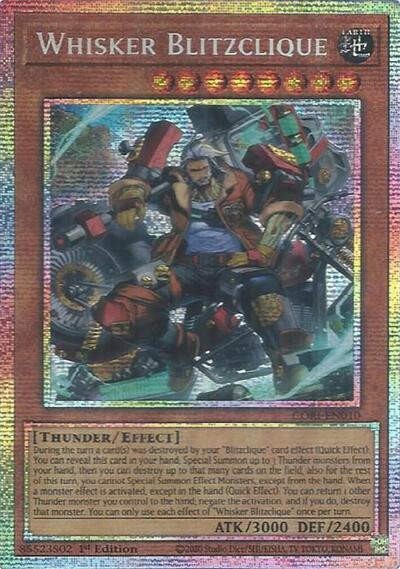
Whisker Blitzclique (Starlight Rare)
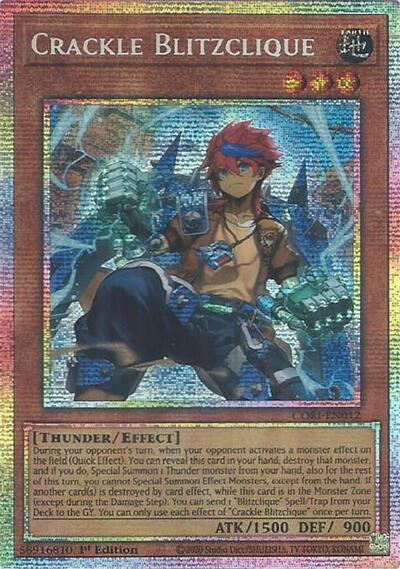
Crackle Blitzclique (Starlight Rare)
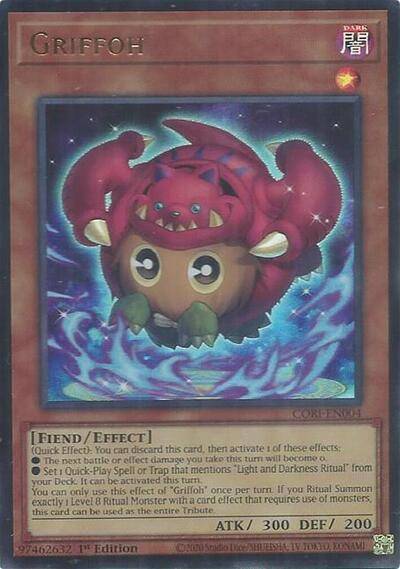
Griffoh
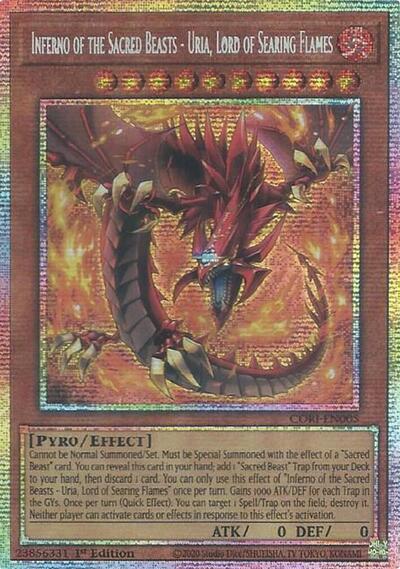
Inferno of the Sacred Beasts - Uria, Lord of Searing Flames (Starlight Rare)
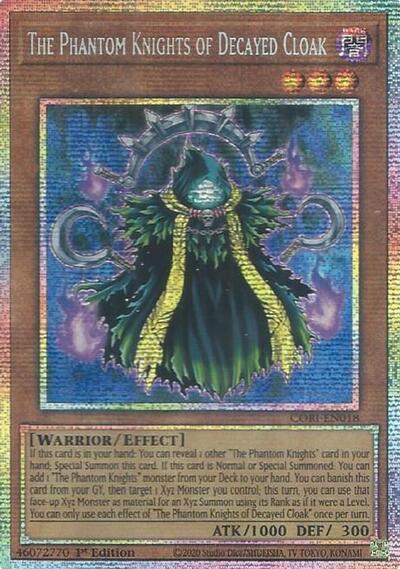
The Phantom Knights of Decayed Cloak (Starlight Rare)
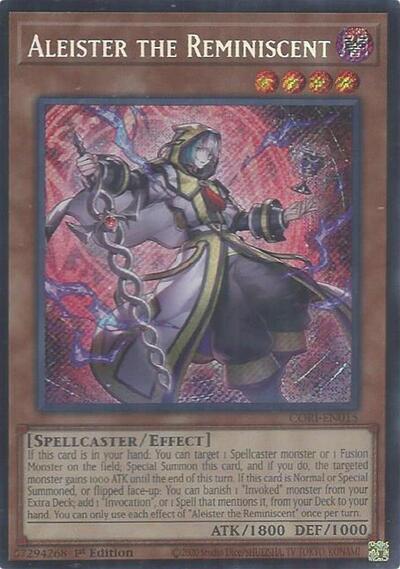
Aleister the Reminiscent
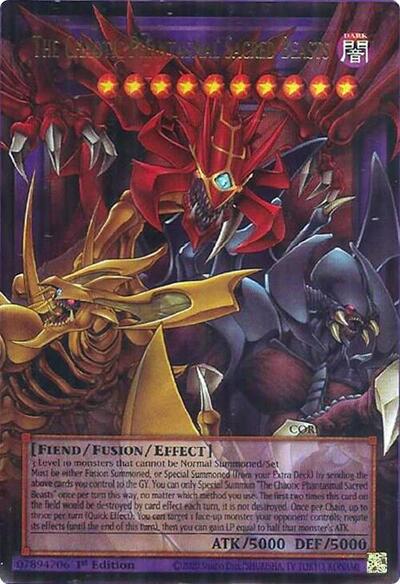
The Chaotic Phantasmal Sacred Beasts
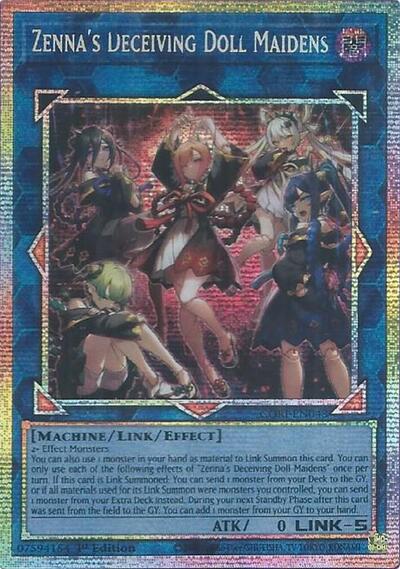
Zenna's Deceiving Doll Maidens (Starlight Rare)
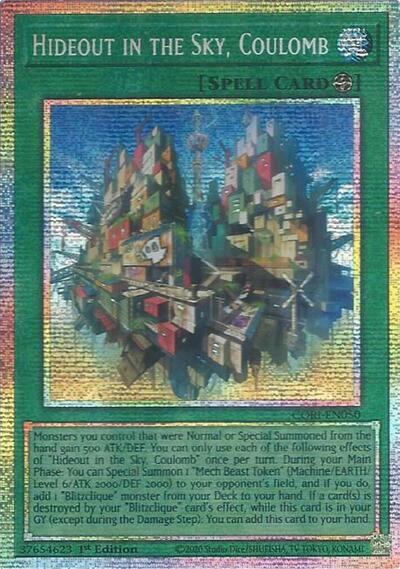
Hideout in the Sky, Coulomb (Starlight Rare)
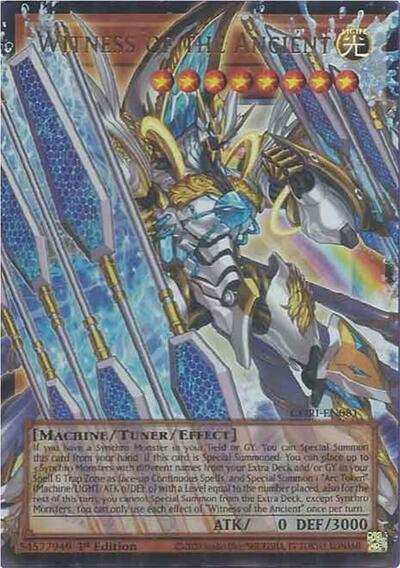
Witness of the Ancient (Extended Art)
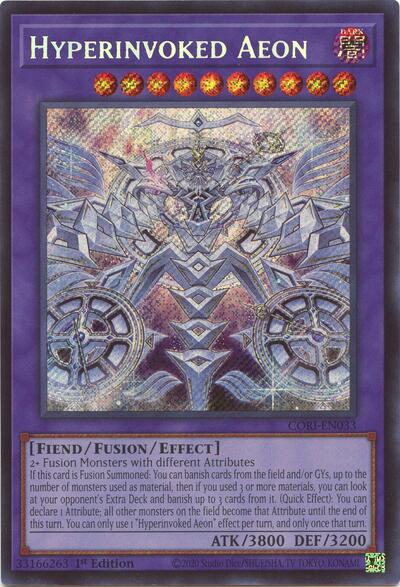
Hyperinvoked Aeon
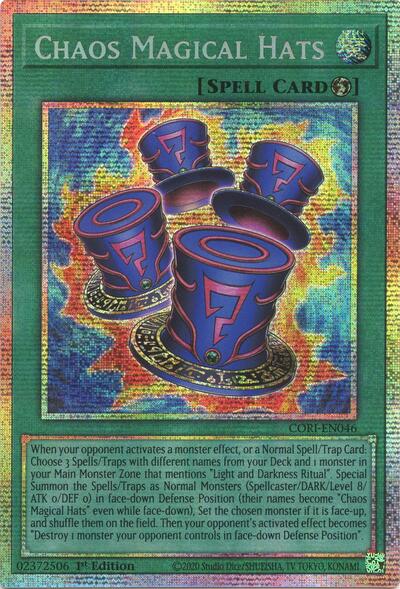
Chaos Magical Hats (Starlight Rare)
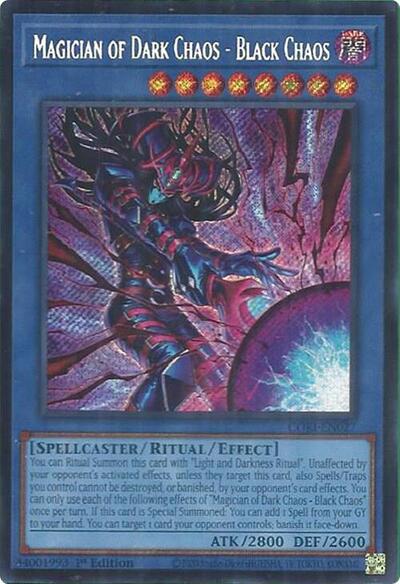
Magician of Dark Chaos - Black Chaos (Secret Rare)
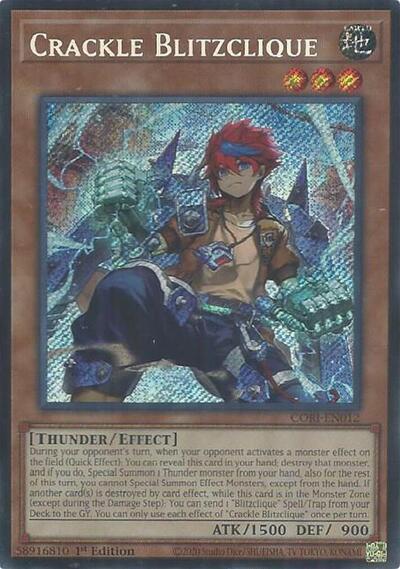
Crackle Blitzclique
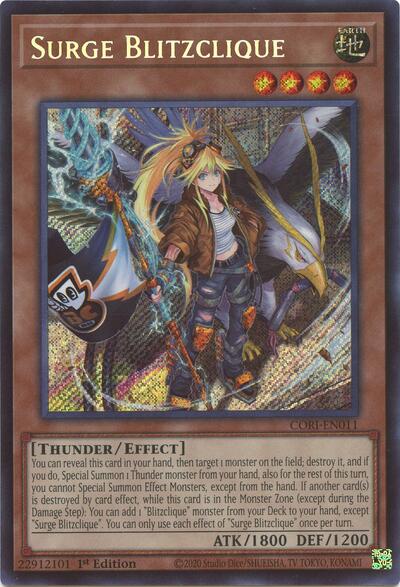
Surge Blitzclique
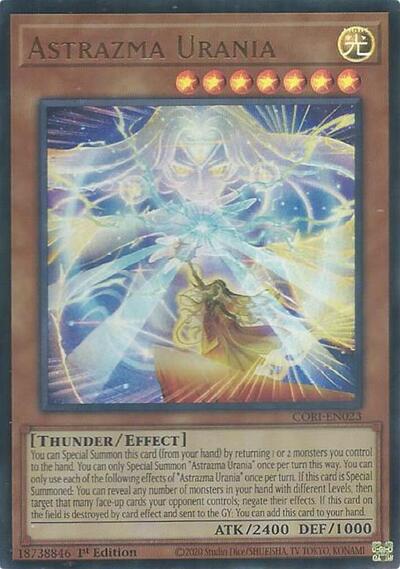
Astrazma Urania (Starlight Rare)
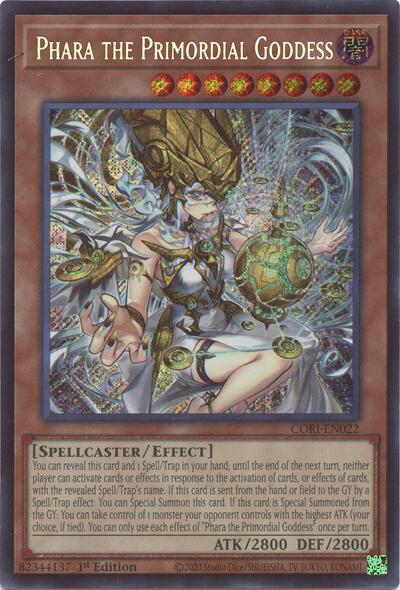
Phara the Primordial Goddess (Secret Rare)
136 singles tracked