
INOV · Yu-Gi-Oh!
Invasion: Vengeance
105 cards, led by Dark Requiem Xyz Dragon at $10.84.
Released Nov 4, 2016
Set index · INOV
66.81
−33.19 (−33.19%)1Y
- 1W
- −33.19%
- 1Y
- −33.19%
52W low 66.81high 100.00


The 5 most valuable · $3.07 – $10.84
- Cards
- 105
- Priced printings
- 205
- Sales a week
- 56
- Typical single, Near Mint
- $0.24
- Popularity
- 46/100
- Standing
- #356
The index
A score that starts at 100 and moves with the set's fair value, compared on the same printings week to week.
One Near Mint copy of every printing at fair value; the chase cards move it most.
Master set value
one of every printing · fair value · Oct 31, 2026
- NM
- $173.28
- 205 of 205 priced · 99% from sales
- LP
- $135.89
- 205 of 205 priced · 99% from sales
- MP
- $117.06
- 205 of 205 priced · 87% from sales
- HP
- $99.89
- 205 of 205 priced · 45% from sales
- DMG
- $87.34
- 205 of 205 priced · 14% from sales
Sealed
Every way Invasion: Vengeance was sold, priced.
5 products
Booster Box
Invasion: Vengeance Booster Box
- Market Price
- $54.70
- MSRP
- —
InsideReported
- 24×booster packs (edition not stated)
Display
Invasion: Vengeance: Special Edition Display
- Market Price
- —
- MSRP
- $9.99
Collection Box
Invasion: Vengeance: Special Edition Box
- Market Price
- —
- MSRP
- —
What's inside
InsideReported
- 3×booster packs (edition not stated)
- 1×1 of 2 Super Rares (random)
- 1×1 of 2 Super Rare preview cards from Raging Tempest (random)
Booster Pack
Booster Pack [Unlimited Edition]
- Market Price
- —
- MSRP
- —
Cards
105 of 105 valued in Near Mint
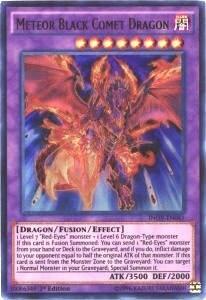
Meteor Black Comet Dragon
Ultra Rare$11.31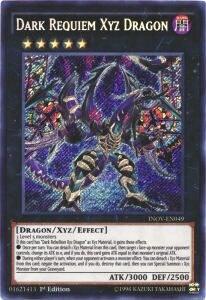
Dark Requiem Xyz Dragon
Secret Rare$10.84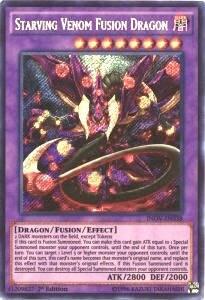
Starving Venom Fusion Dragon
Secret Rare$6.14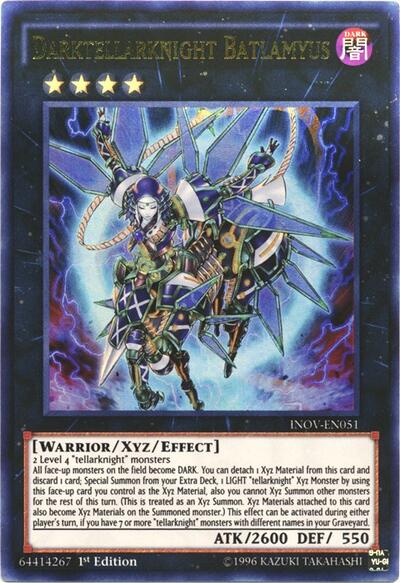
Darktellarknight Batlamyus
Ultra Rare$3.16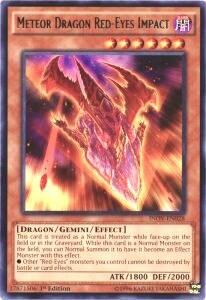
Meteor Dragon Red-Eyes Impact
Rare$3.07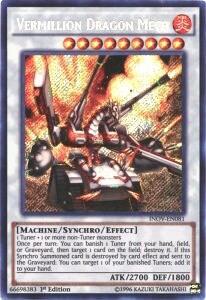
Vermillion Dragon Mech
Secret Rare$2.67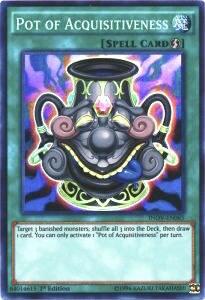
Pot of Acquisitiveness
Super Rare$2.56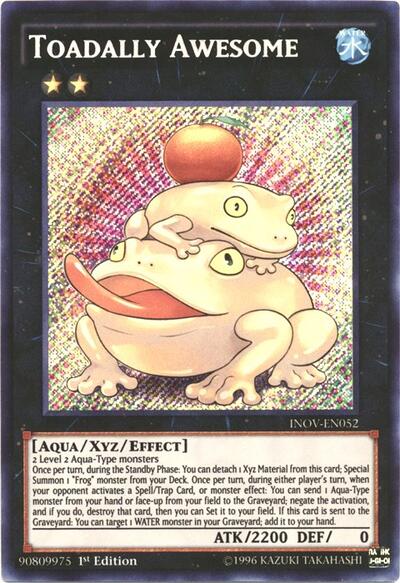
Toadally Awesome
Secret Rare$2.53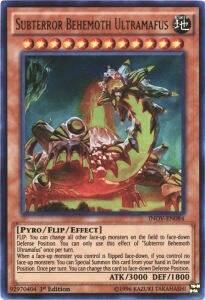
Subterror Behemoth Ultramafus
Ultra Rare$2.28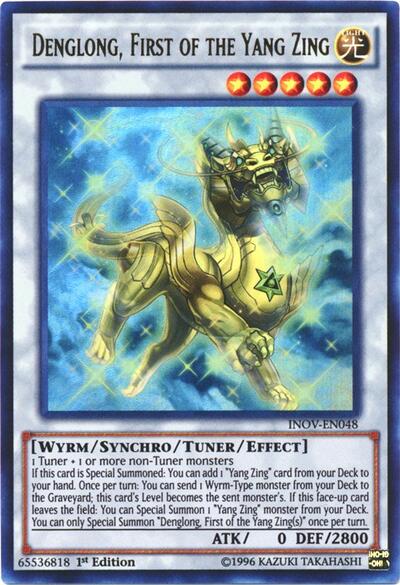
Denglong, First of the Yang Zing
Ultra Rare$1.76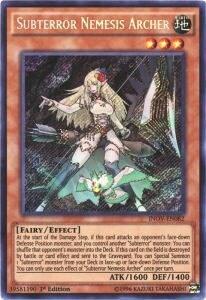
Subterror Nemesis Archer
Secret Rare$1.57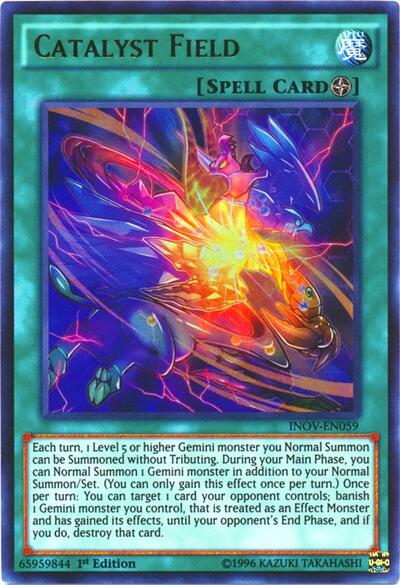
Catalyst Field
Ultra Rare$1.29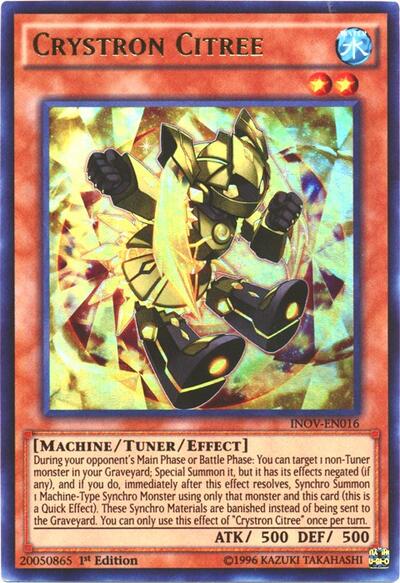
Crystron Citree
Ultra Rare$1.15
Red-Eyes Insight
Rare$0.96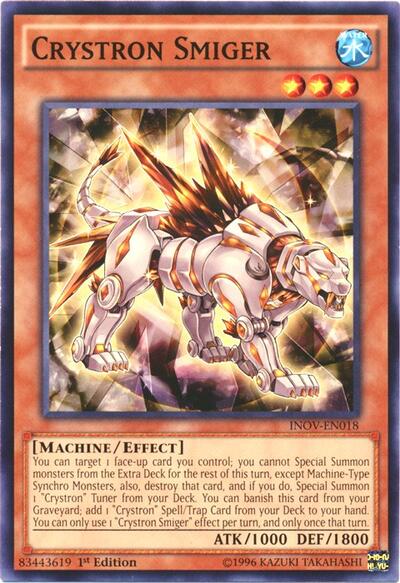
Crystron Smiger
Common$0.95
Aromaseraphy Rosemary
Rare$0.86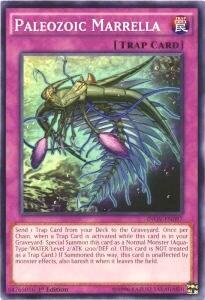
Paleozoic Marrella
Common$0.77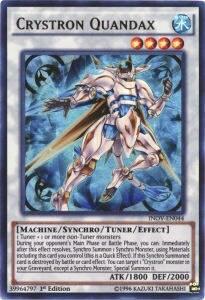
Crystron Quandax
Ultra Rare$0.75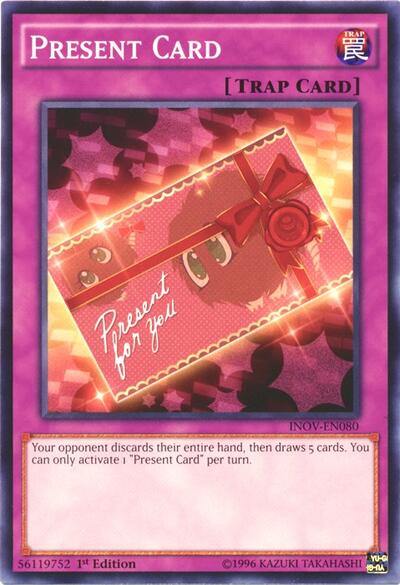
Present Card
Common$0.75
Aromaseraphy Angelica
Common$0.65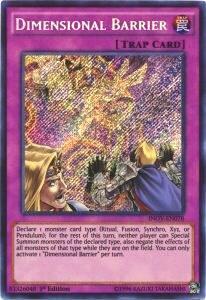
Dimensional Barrier
Secret Rare$0.65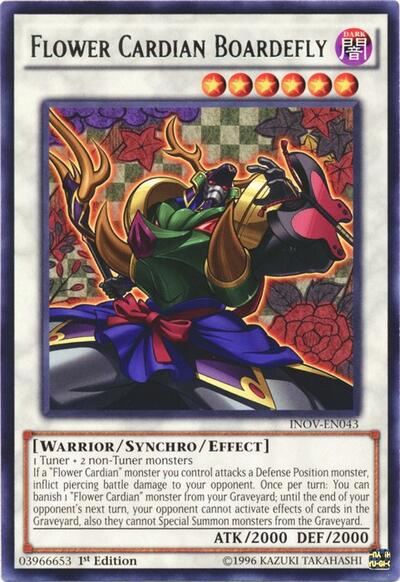
Flower Cardian Boardefly
Rare$0.61
Sauravis, the Ancient and Ascended
Secret Rare$0.60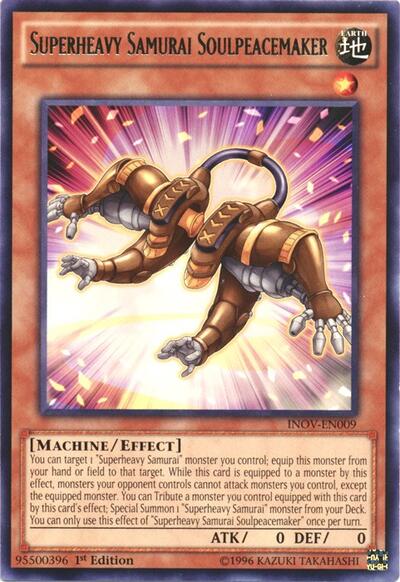
Superheavy Samurai Soulpeacemaker
Rare$0.57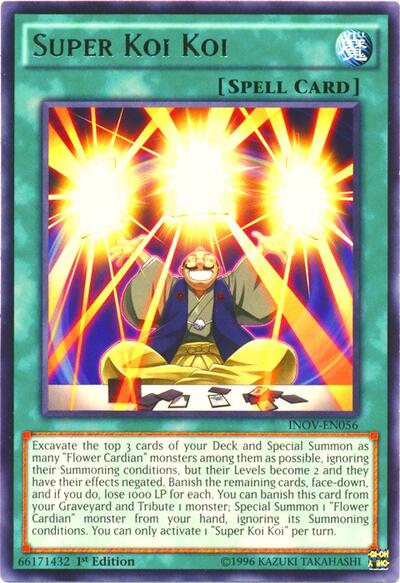
Super Koi Koi
Rare$0.57
Crystron Ametrix
Super Rare$0.56
Dragon Core Hexer
Rare$0.49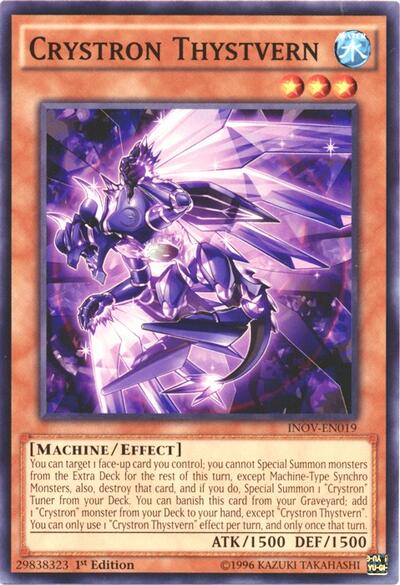
Crystron Thystvern
Common$0.49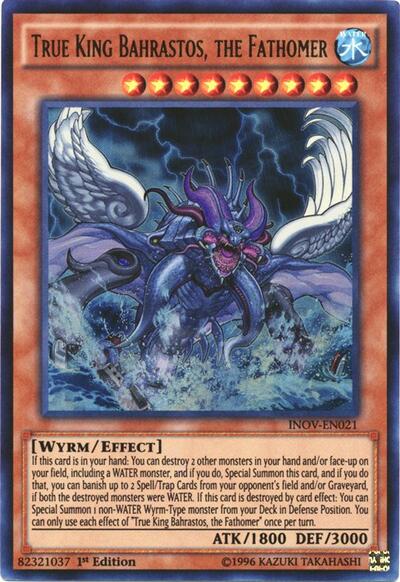
True King Bahrastos, the Fathomer
Ultra Rare$0.49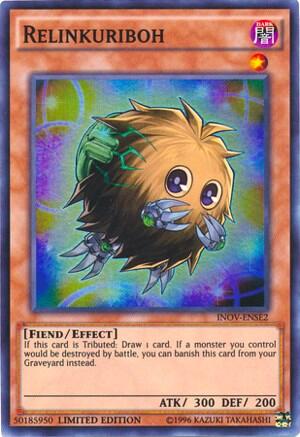
Relinkuriboh
Super Rare$0.47
SPYRAL Master Plan
Super Rare$0.43
The Phantom Knights' Rank-Up-Magic Launch
Super Rare$0.41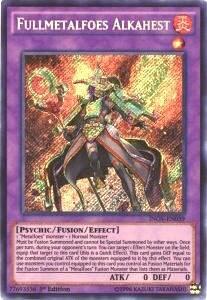
Fullmetalfoes Alkahest
Secret Rare$0.40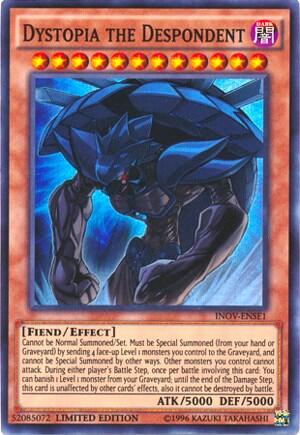
Dystopia the Despondent
Super Rare$0.39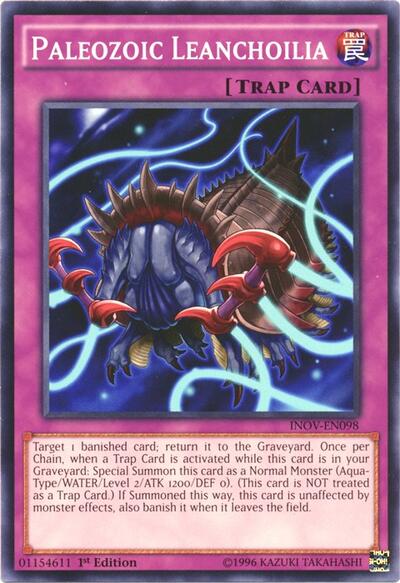
Paleozoic Leanchoilia
Common$0.37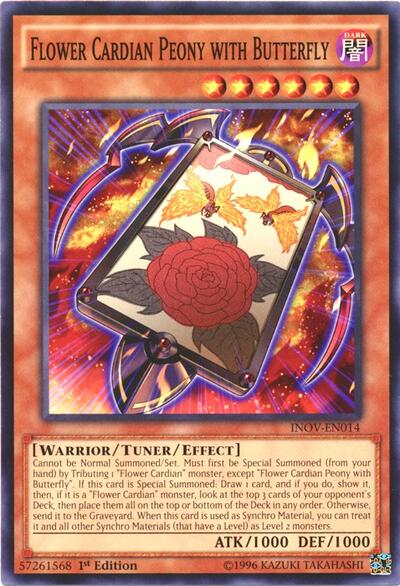
Flower Cardian Peony with Butterfly
Common$0.35
Subterror Behemoth Burrowing
Rare$0.35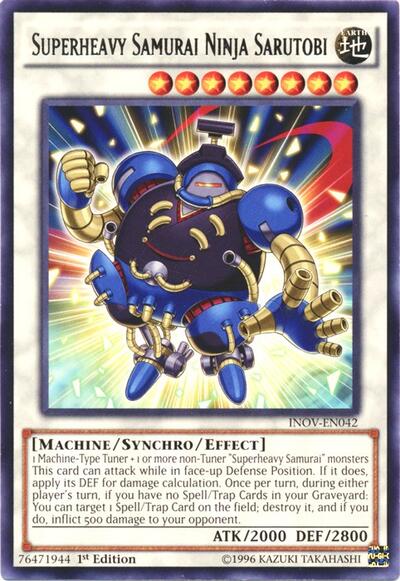
Superheavy Samurai Ninja Sarutobi
Rare$0.34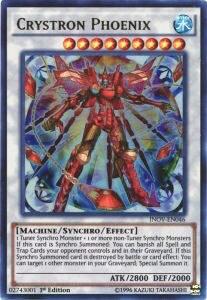
Crystron Phoenix
Ultra Rare$0.34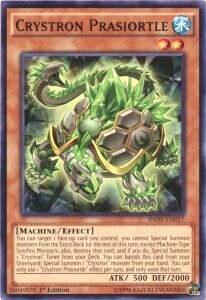
Crystron Prasiortle
Common$0.30
In the set
105 singles tracked
- Common48 · 46%
- Rare20 · 19%
- Super Rare18 · 17%
- Ultra Rare11 · 10%
- Secret Rare8 · 8%
How to read the set index
- What is the typical single?
- The median fair value of the set's Near Mint English singles — the price in the middle, so one chase card can't drag it up. Fair value comes from real sales only; the marketplace's Market Price is shown on card pages but never counted.
- What does the index line show?
- The Set Value Index: one Near Mint copy of every printing at fair value, compared week to week on the same printings, so it moves with the set's value — the chase cards most. It starts at 100; the 90-day figure is that line over the last quarter. Beside it, the typical card (every card counted the same, chases left out) and the chases on their own.
- How is popularity scored?
- Out of 100, against the rest of the game: how much the set's cards sell for, how many of them sell each week, how many cards it holds and how its index has moved. It ranks sets; it isn't a price.