
Display
Dragon's Roar & Zombie Madness Structure Deck Display Box - 1st Edition
- Market Price
- —
- MSRP
- —
Inside
5×Structure Deck - 1st Edition
5×Zombie Madness Structure Deck - 1st Edition
SD1 · Yu-Gi-Oh!
28 cards, led by Pot of Greed at $5.25.
Released Jan 1, 2005
Set index · SD1
75.72
−24.28 (−24.28%)1Y


The 5 most valuable · $1.29 – $5.25
A score that starts at 100 and moves with the set's fair value, compared on the same printings week to week.
One Near Mint copy of every printing at fair value; the chase cards move it most.
one of every printing · fair value · Nov 3, 2026
Near Mint was $69.68 on Nov 1, 2026 (-0.0%). Totals move when printings are added or first priced; the index above doesn't.
Every way Structure Deck: Dragon's Roar was sold, priced.
4 products
Display
Inside
Display
& Zombie Madness Structure Deck Display Box - Unlimited Edition
Inside
Starter Deck
Structure Deck - 1st Edition
Inside
Starter Deck
Structure Deck - Unlimited Edition
Inside
28 of 28 valued in Near Mint
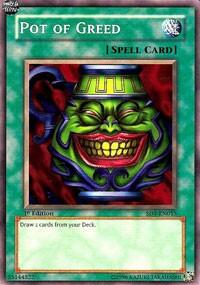
Pot of Greed
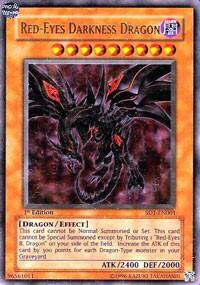
Red-Eyes Darkness Dragon

Heavy Storm
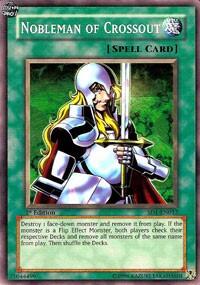
Nobleman of Crossout
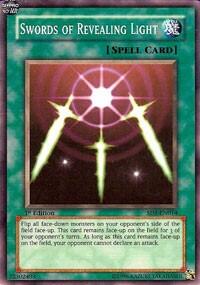
Swords of Revealing Light
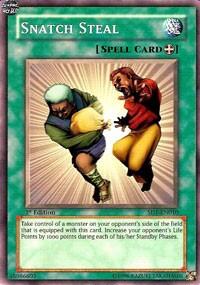
Snatch Steal
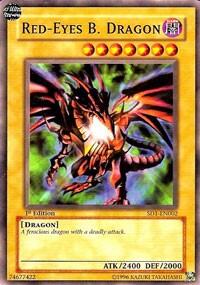
Red-Eyes B. Dragon
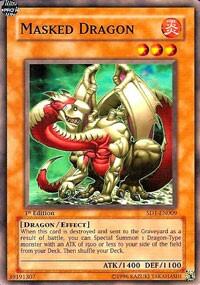
Masked Dragon
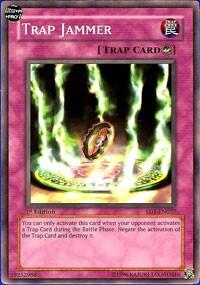
Trap Jammer
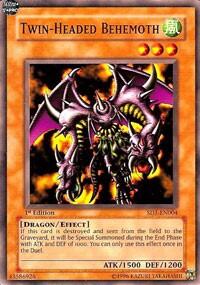
Twin-Headed Behemoth
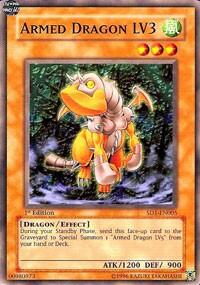
Armed Dragon LV3
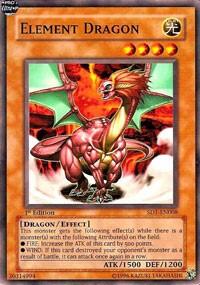
Element Dragon
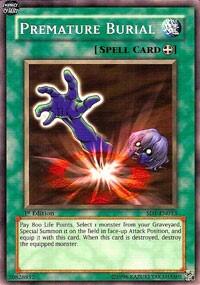
Premature Burial
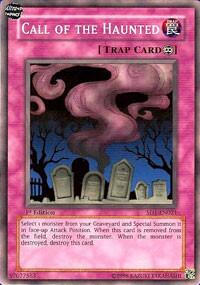
Call of the Haunted
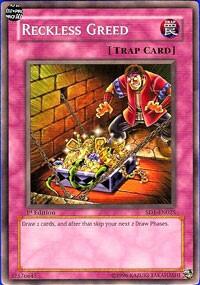
Reckless Greed
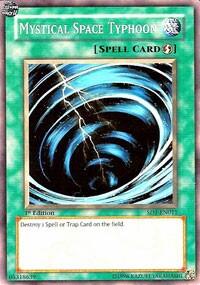
Mystical Space Typhoon
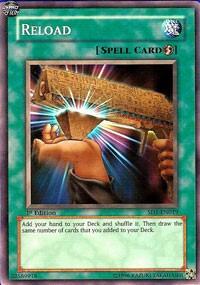
Reload
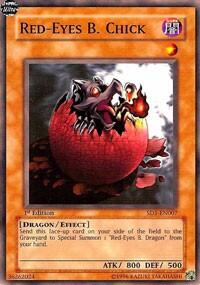
Red-Eyes B. Chick
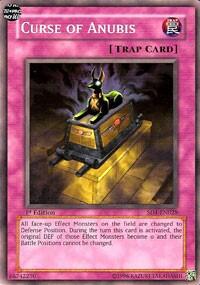
Curse of Anubis
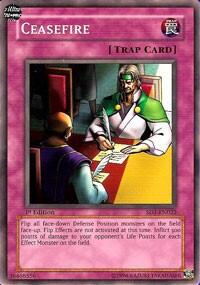
Ceasefire
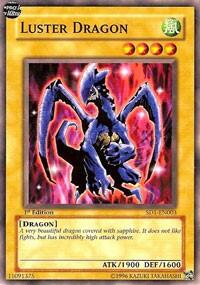
Luster Dragon
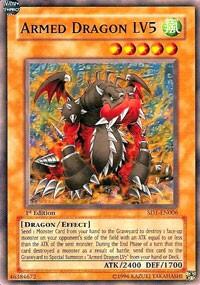
Armed Dragon LV5
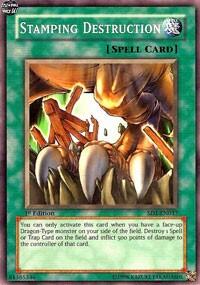
Stamping Destruction
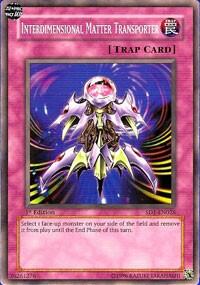
Interdimensional Matter Transporter
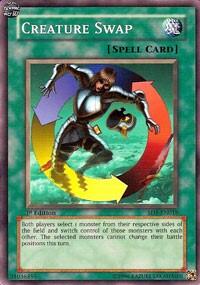
Creature Swap
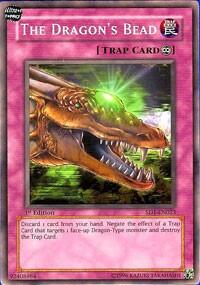
The Dragon's Bead
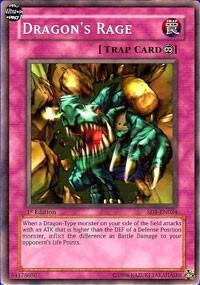
Dragon's Rage
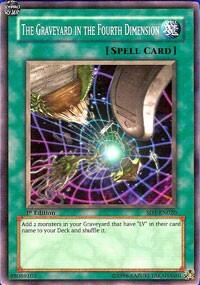
The Graveyard in the Fourth Dimension
28 singles tracked