
SM8a · Pokémon Japan
SM8a: Dark Order
0 cards, led by Jasmine - 058/052 at $89.99.
Released Oct 5, 2018
Set index · SM8a
The index starts once a few weeks of sales collect.


The 5 most valuable · $15.04 – $89.99
- Cards
- 0
- Priced printings
- 0
- Sales a week
- 0.0
- Typical single, Near Mint
- —
- Popularity
- 0/100
- Standing
- #0
The index
A score that starts at 100 and moves with the set's fair value, compared on the same printings week to week.
One Near Mint copy of every printing at fair value; the chase cards move it most.
The index line fills in as weekly prices collect.
Master set value
one of every printing · fair value · Oct 31, 2026
- NM
- $294.11
- 61 of 61 priced · 98% from sales
- LP
- $248.87
- 61 of 61 priced · 77% from sales
- MP
- $204.67
- 61 of 61 priced · 44% from sales
- HP
- $144.50
- 61 of 61 priced · 13% from sales
- DMG
- $122.94
- 61 of 61 priced · 3% from sales
Sealed
Every way SM8a: Dark Order was sold, priced.
2 products
Cards
61 of 65 valued in Near Mint
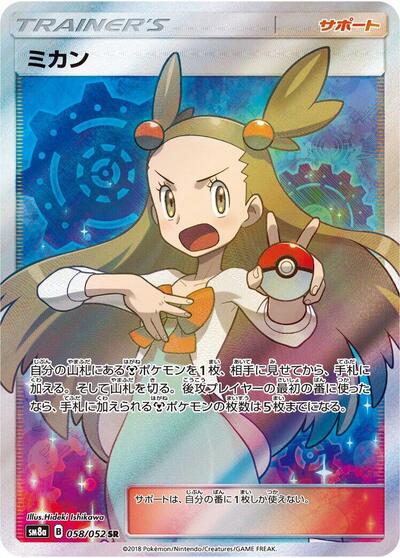
Jasmine - 058/052
Super Rare$89.99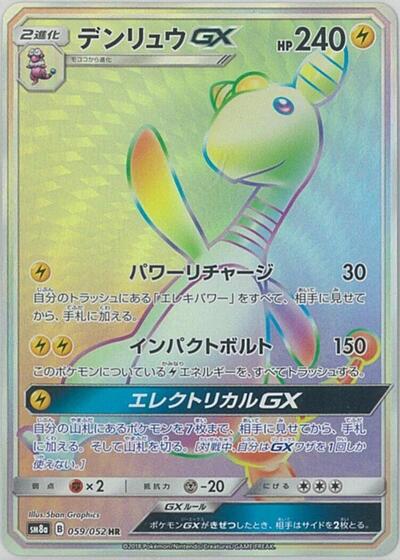
Ampharos GX - 059/052
Hyper Rare$40.80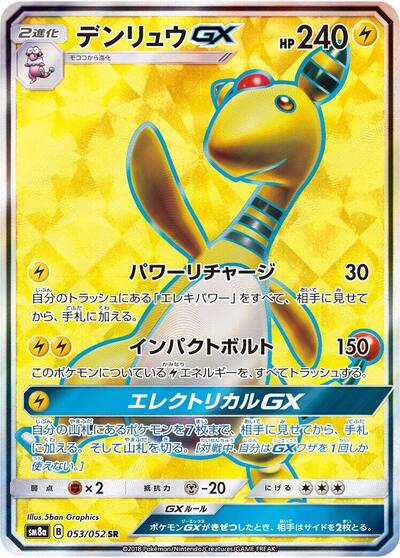
Ampharos GX - 053/052
Super Rare$18.21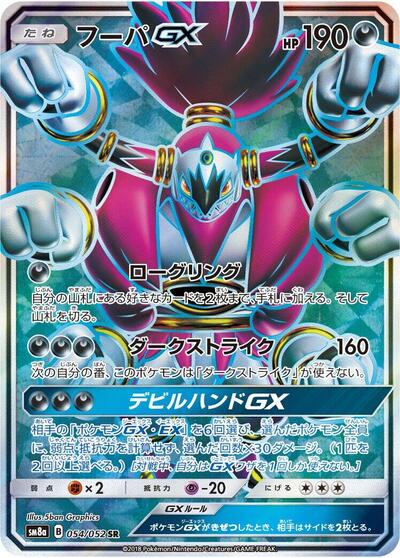
Hoopa GX - 054/052
Super Rare$15.57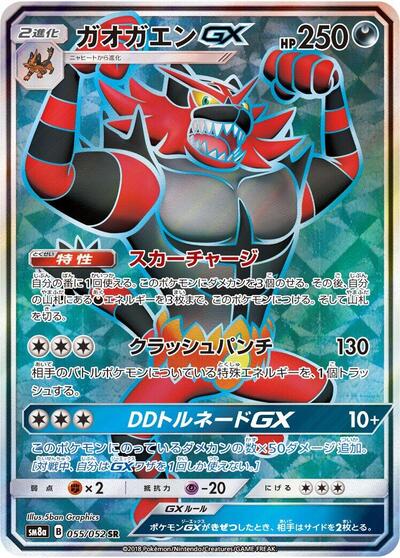
Incineroar GX - 055/052
Super Rare$15.04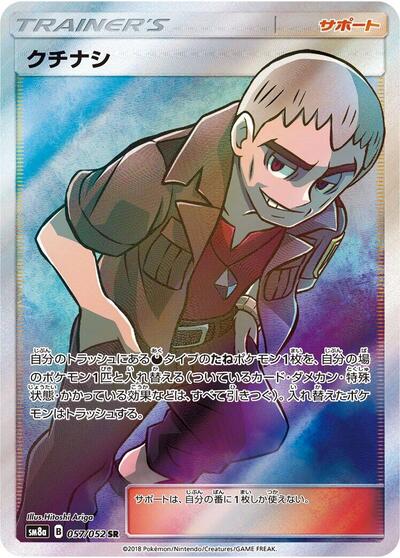
Nanu - 057/052
Super Rare$12.83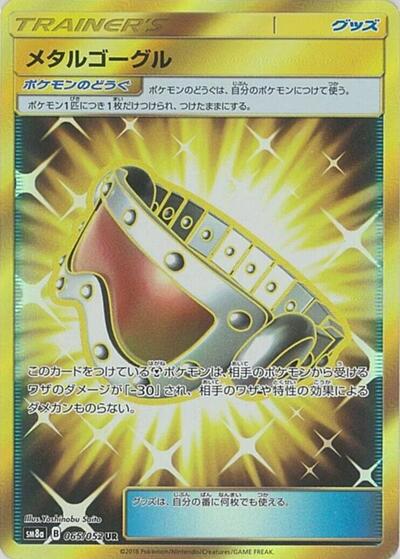
Metal Goggles - 065/052
Ultra Rare$7.90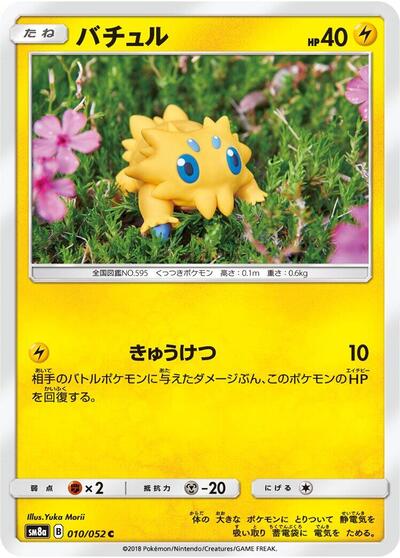
Joltik
Common$6.08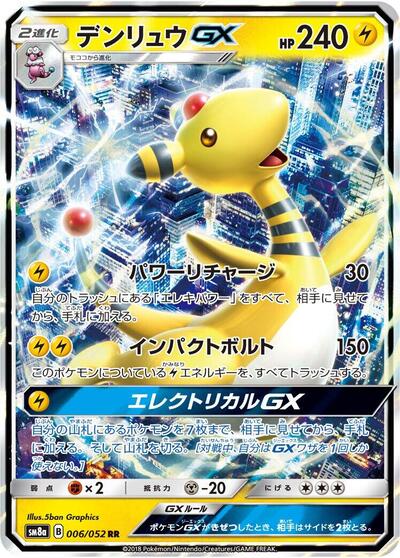
Ampharos GX - 006/052
Double Rare$5.54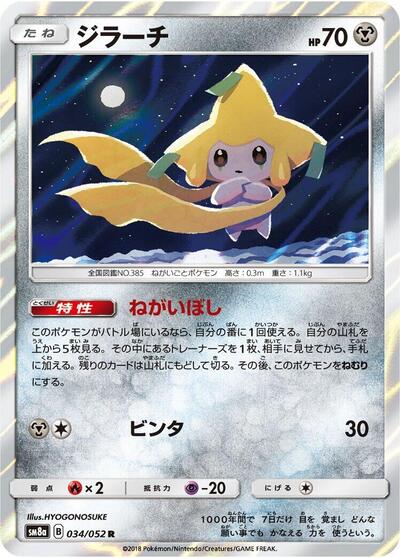
Jirachi
Rare$5.28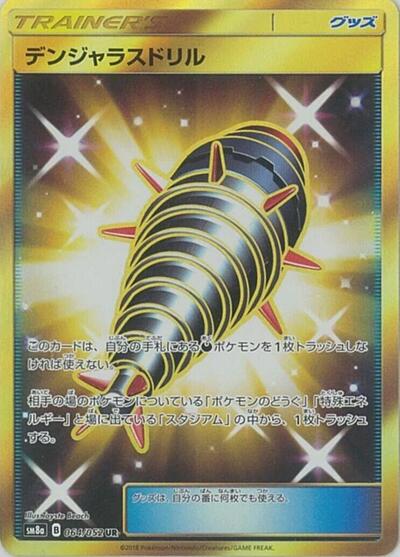
Dangerous Drill - 064/052
Ultra Rare$4.80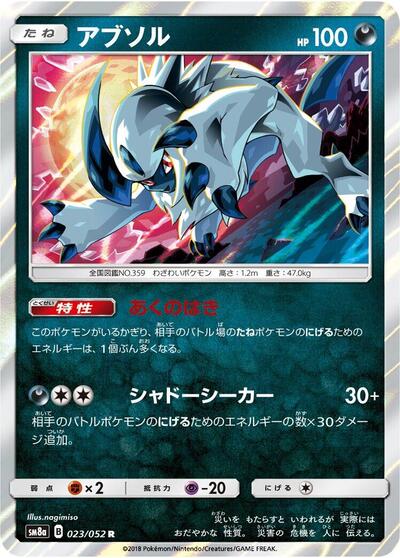
Absol
Rare$4.71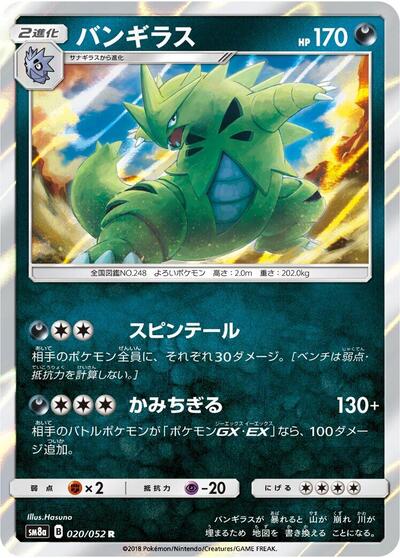
Tyranitar
Rare$4.36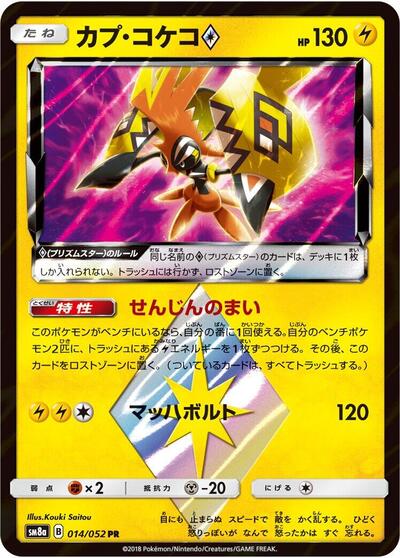
Tapu Koko Prism Star
Prism Rare$4.11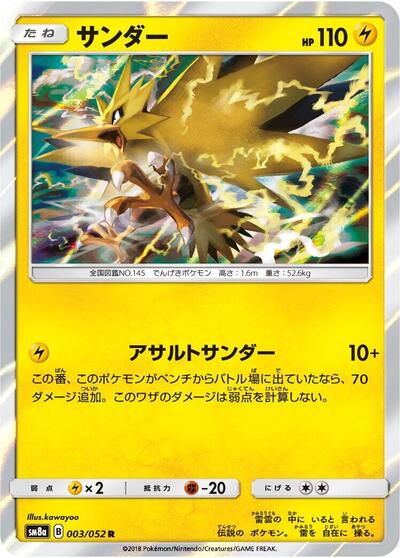
Zapdos
Rare$3.17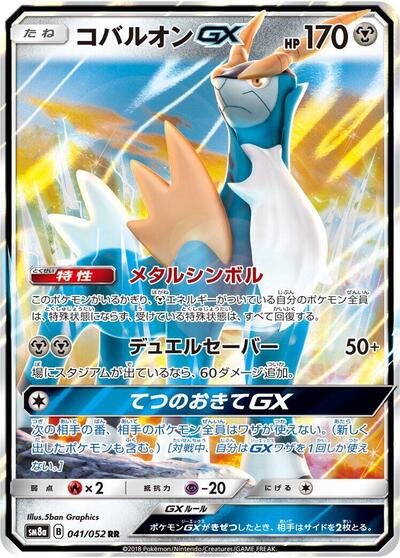
Cobalion GX - 041/052
Double Rare$2.98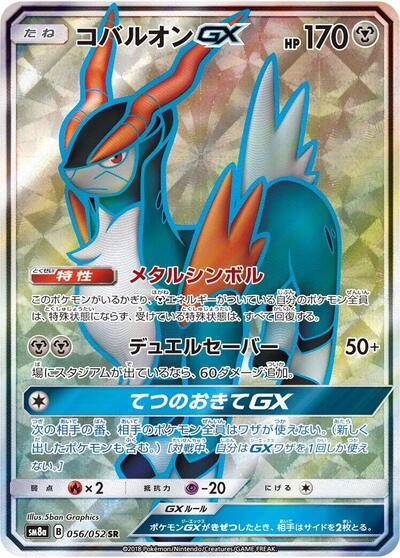
Cobalion GX - 056/052
Super Rare$2.77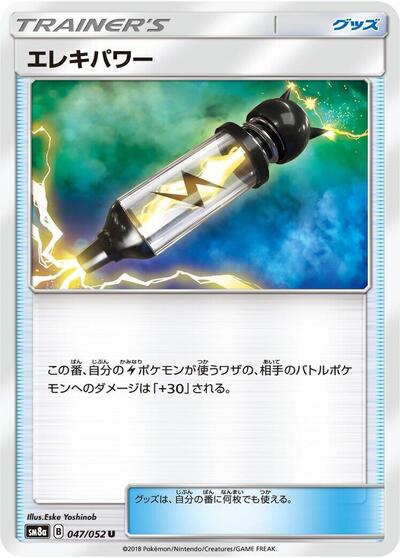
Electropower
Uncommon$2.52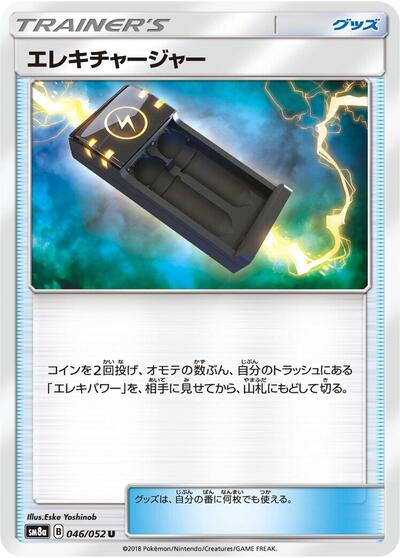
Electrocharger - 046/052
Uncommon$2.51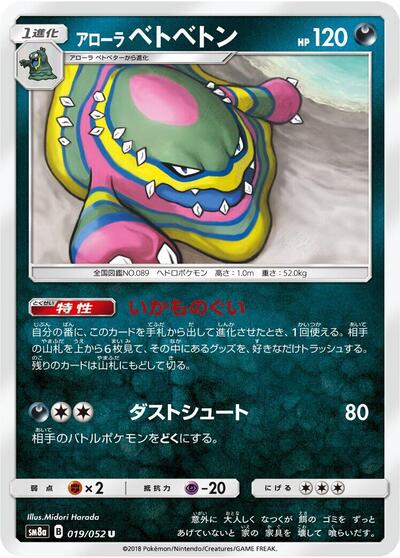
Alolan Muk
Uncommon$2.33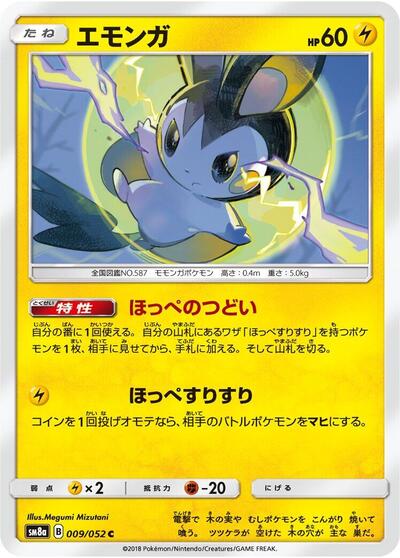
Emolga
Common$2.20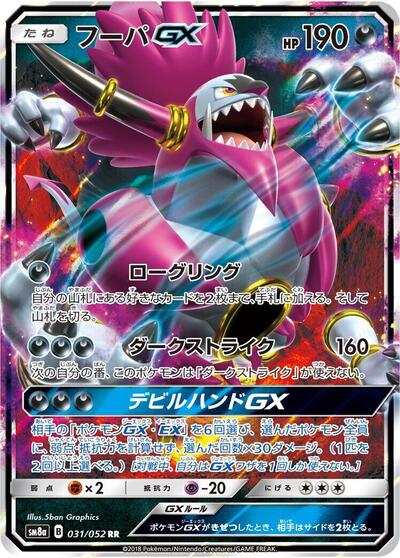
Hoopa GX - 031/052
Double Rare$2.09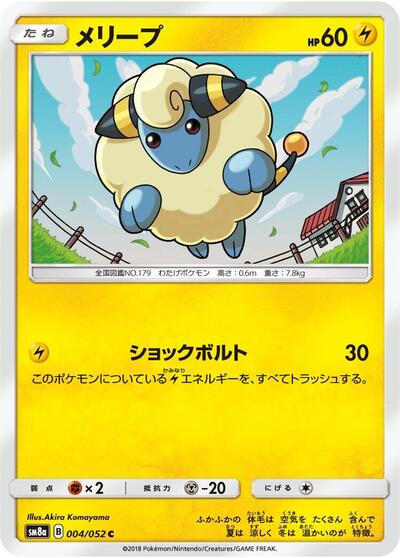
Mareep
Common$2.08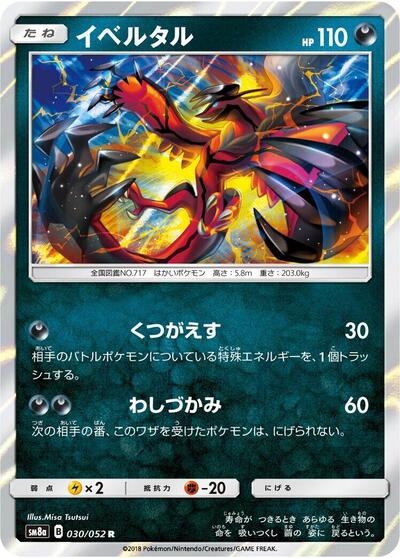
Yveltal
Rare$1.89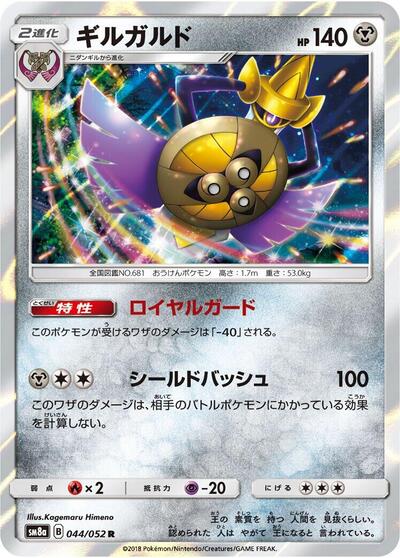
Aegislash
Rare$1.79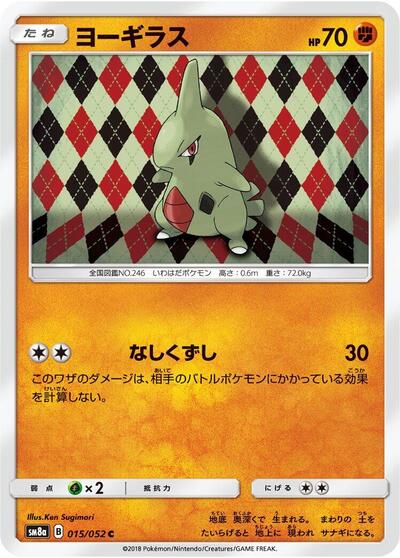
Larvitar
Common$1.71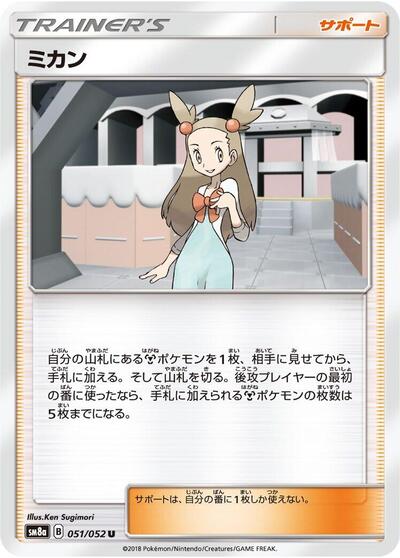
Jasmine - 051/052
Uncommon$1.50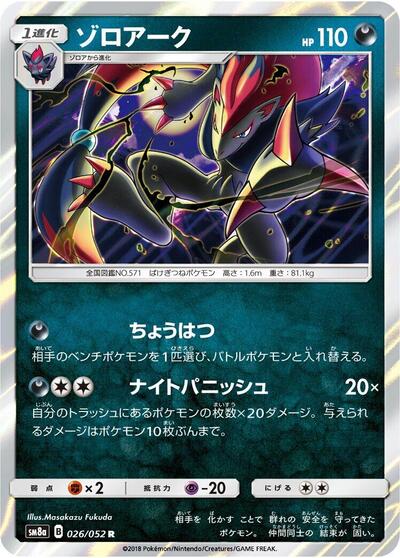
Zoroark
Rare$1.38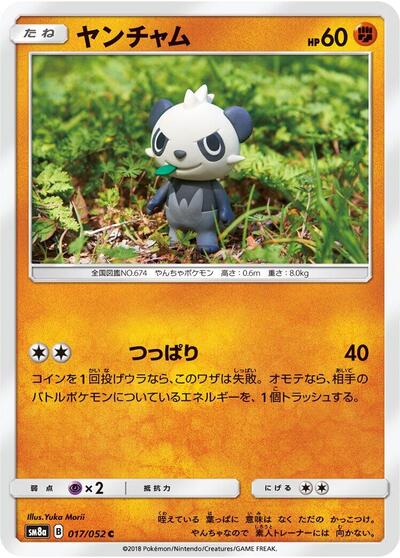
Pancham
Common$1.32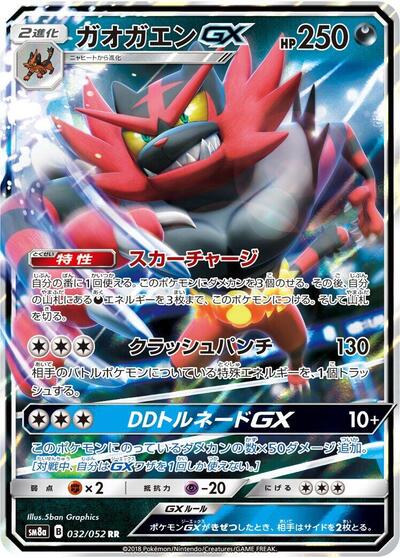
Incineroar GX - 032/052
Double Rare$1.32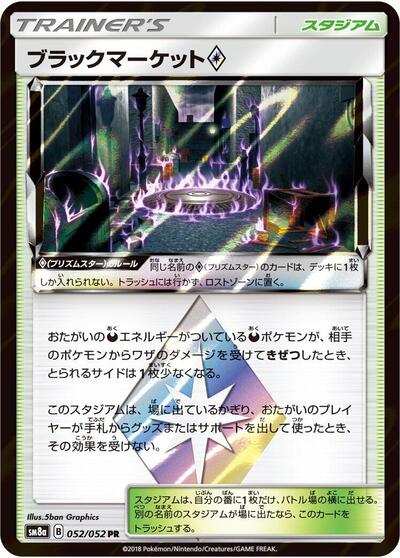
Black Market
Prism Rare$1.11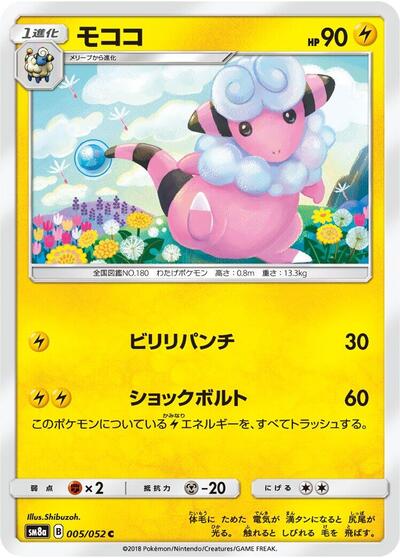
Flaaffy
Common$1.08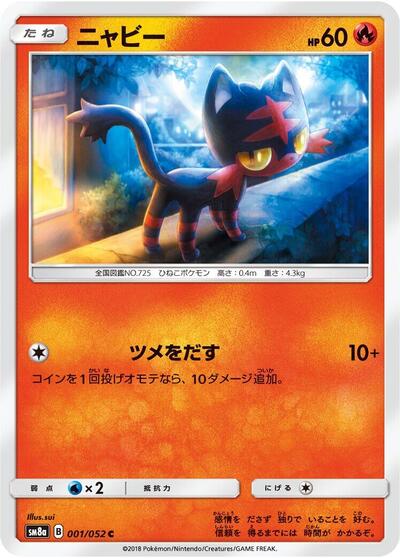
Litten
Common$1.00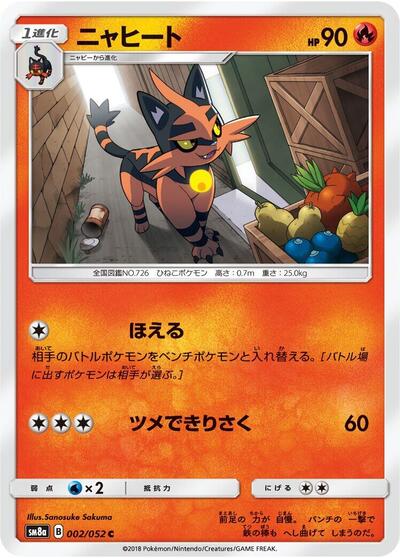
Torracat
Common$1.00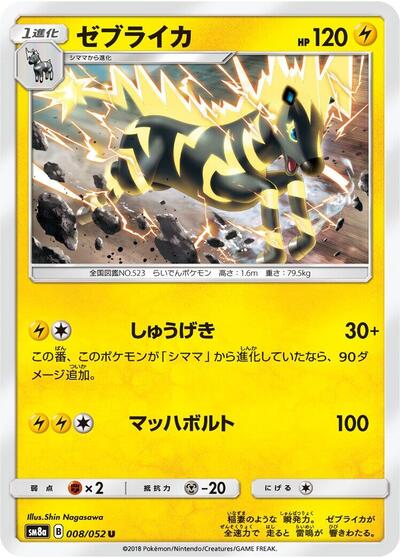
Zebstrika
Uncommon$1.00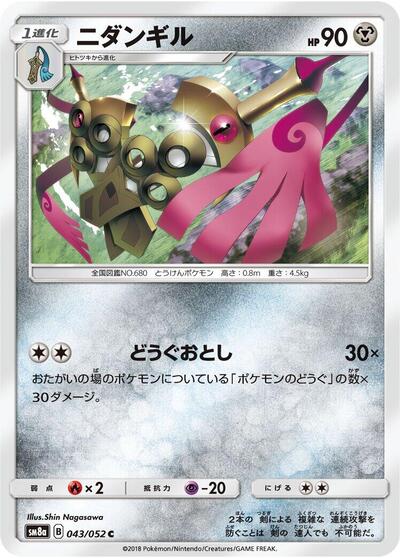
Doublade
Common$1.00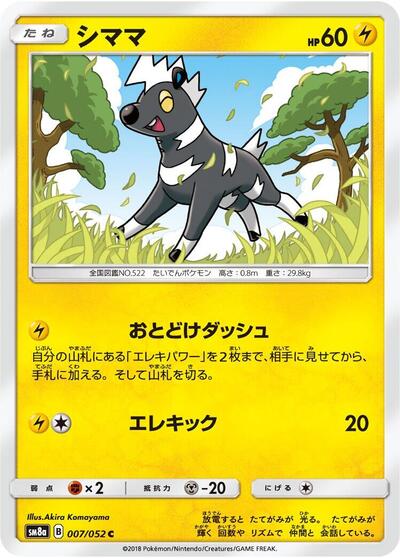
Blitzle
Common$0.97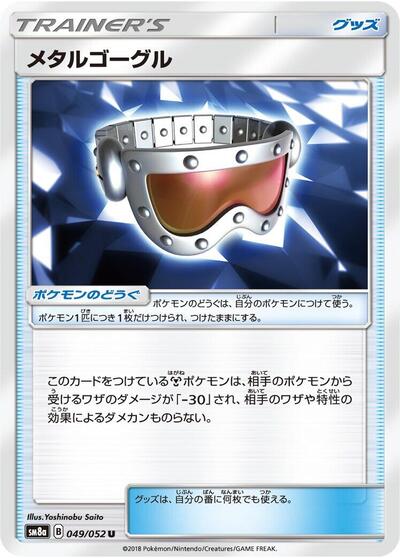
Metal Goggles - 049/052
Uncommon$0.95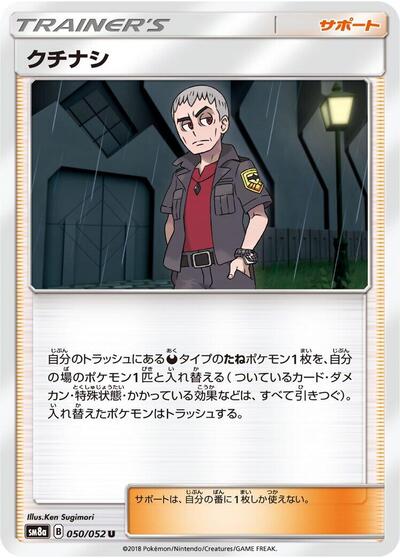
Nanu - 050/052
Uncommon$0.95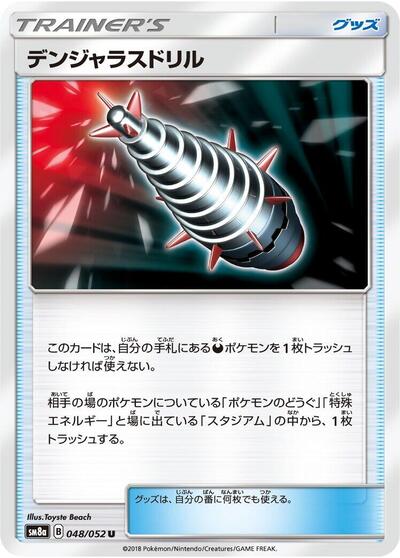
Dangerous Drill - 048/052
Uncommon$0.94
In the set
65 singles tracked
- Common23 · 35%
- Uncommon16 · 25%
- Rare7 · 11%
- Super Rare6 · 9%
- Double Rare4 · 6%
- Hyper Rare4 · 6%
- Ultra Rare3 · 5%
- Prism Rare2 · 3%
How to read the set index
- What is the typical single?
- The median fair value of the set's Near Mint English singles — the price in the middle, so one chase card can't drag it up. Fair value comes from real sales only; the marketplace's Market Price is shown on card pages but never counted.
- What does the index line show?
- The Set Value Index: one Near Mint copy of every printing at fair value, compared week to week on the same printings, so it moves with the set's value — the chase cards most. It starts at 100; the 90-day figure is that line over the last quarter. Beside it, the typical card (every card counted the same, chases left out) and the chases on their own.
- How is popularity scored?
- Out of 100, against the rest of the game: how much the set's cards sell for, how many of them sell each week, how many cards it holds and how its index has moved. It ranks sets; it isn't a price.