
Booster Pack
Legendary Duelists: White Dragon Abyss Booster Pack
- Market Price
- $12.93
- MSRP
- $1.99*
- Against MSRP
- ▲ 550% vs MSRP
LED3 · Yu-Gi-Oh!
56 cards, led by Cyber Eternity Dragon at $8.16.
Released Sep 28, 2018
Set index · LED3
75.44
−24.56 (−24.56%)1Y


The 5 most valuable · $4.12 – $8.16
A score that starts at 100 and moves with the set's fair value, compared on the same printings week to week.
One Near Mint copy of every printing at fair value; the chase cards move it most.
one of every printing · fair value · Nov 1, 2026
Every way Legendary Duelists: White Dragon Abyss was sold, priced.
2 products
Booster Pack
* Standard MSRP for that product type, or a bundle's count × that price.
56 of 56 valued in Near Mint
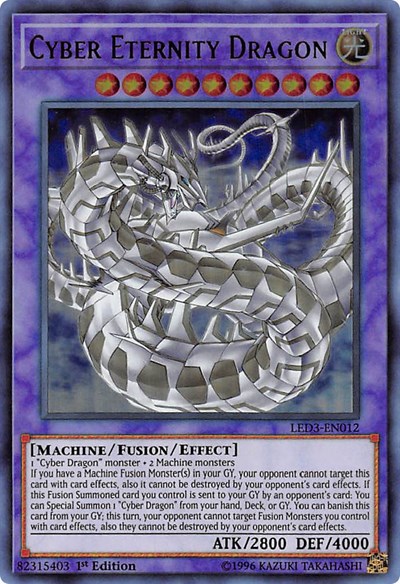
Cyber Eternity Dragon
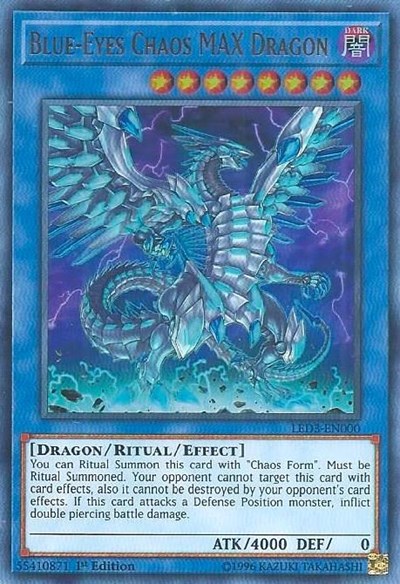
Blue-Eyes Chaos MAX Dragon
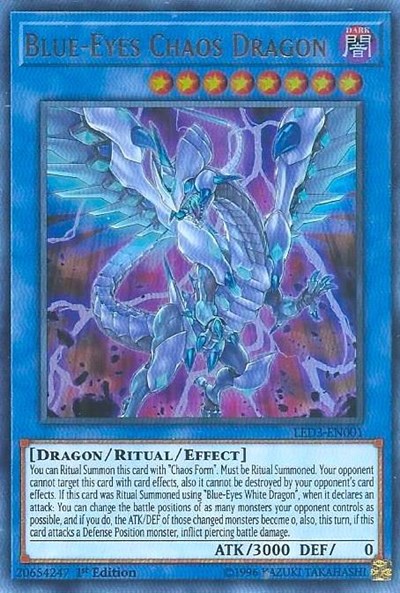
Blue-Eyes Chaos Dragon
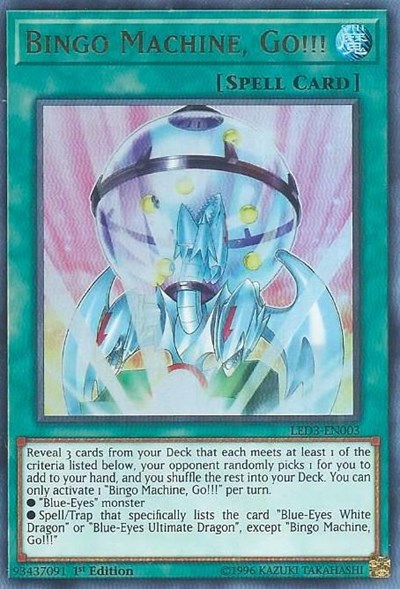
Bingo Machine, Go!!!
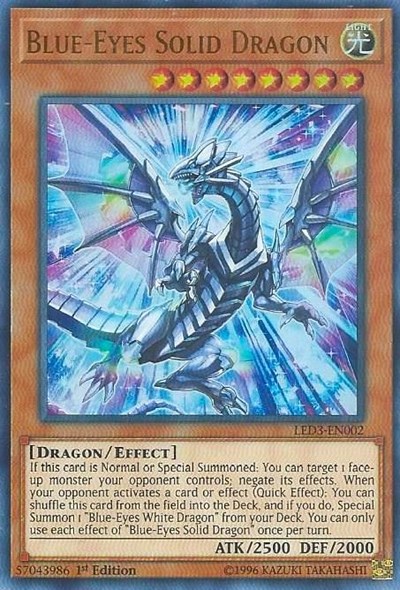
Blue-Eyes Solid Dragon
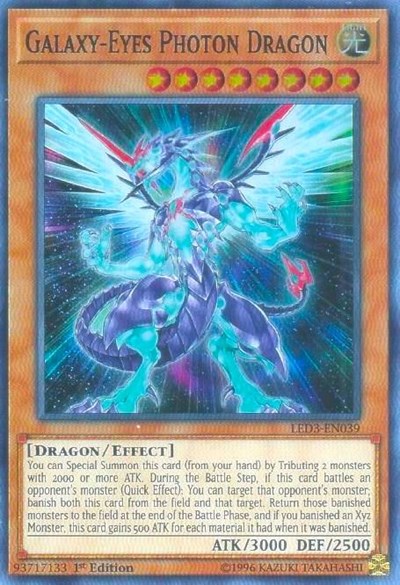
Galaxy-Eyes Photon Dragon
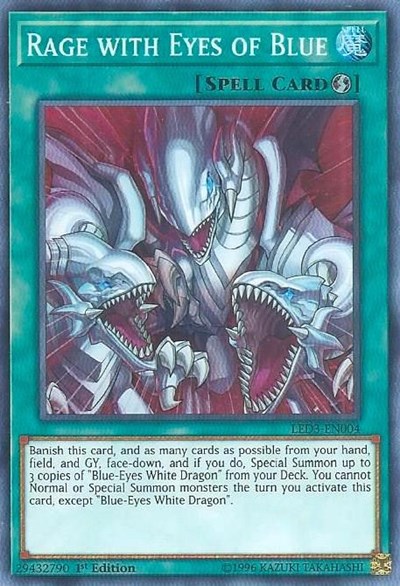
Rage with Eyes of Blue
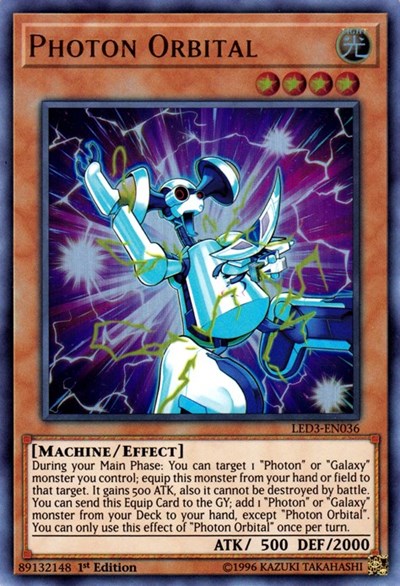
Photon Orbital
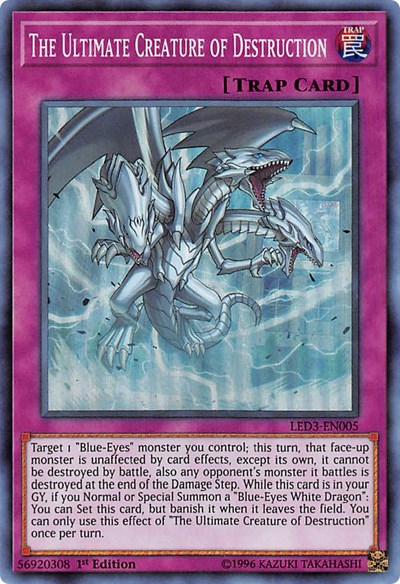
The Ultimate Creature of Destruction
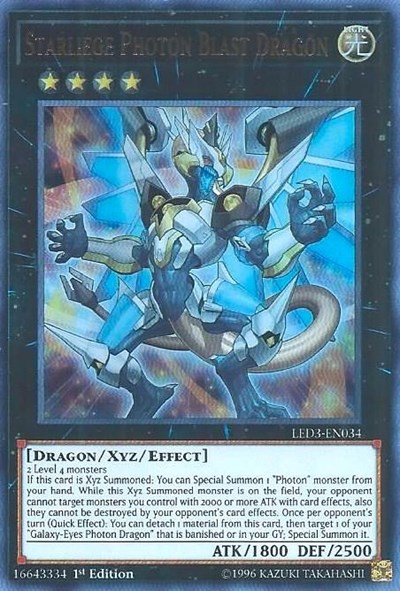
Starliege Photon Blast Dragon
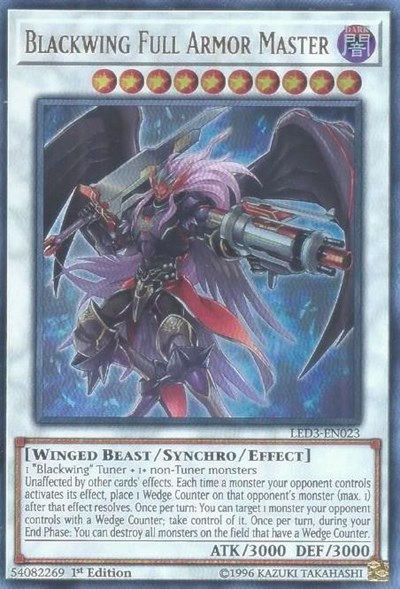
Blackwing Full Armor Master
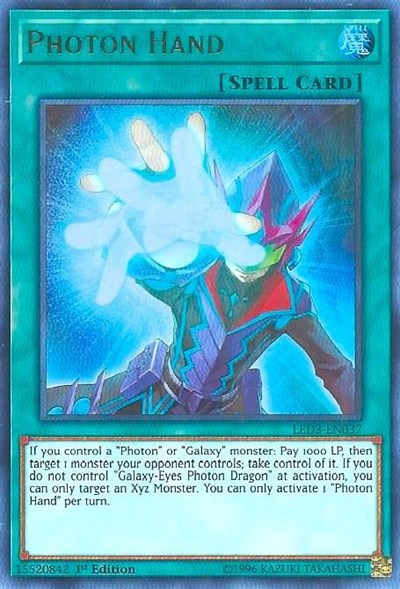
Photon Hand
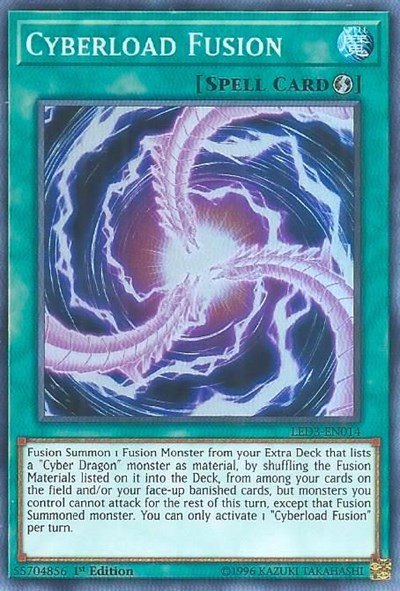
Cyberload Fusion
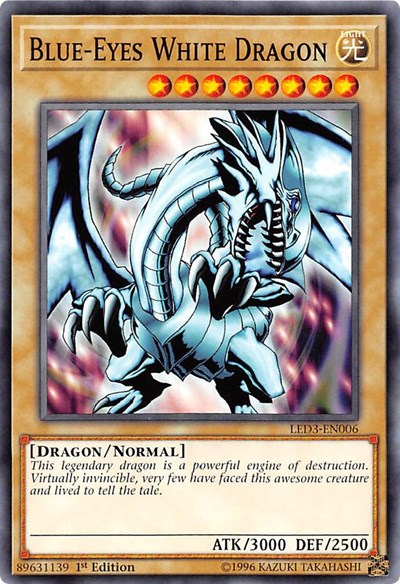
Blue-Eyes White Dragon
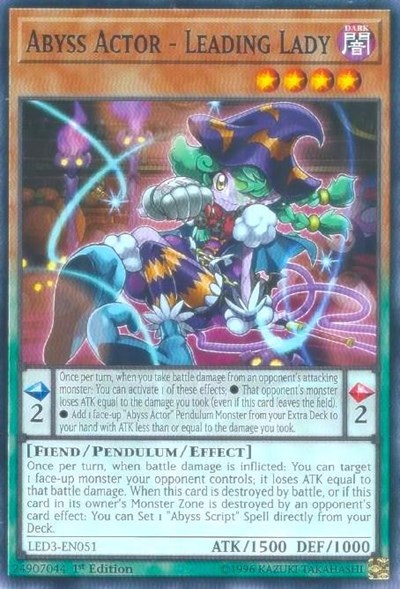
Abyss Actor - Leading Lady
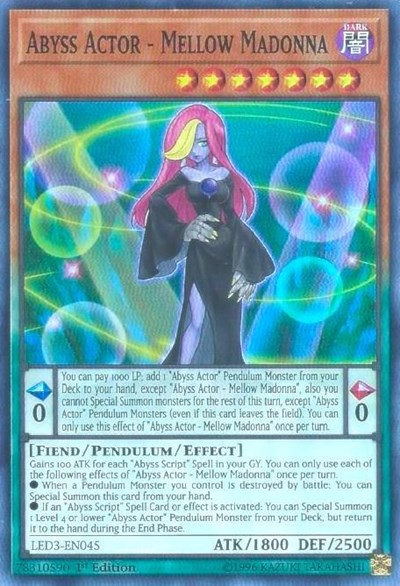
Abyss Actor - Mellow Madonna
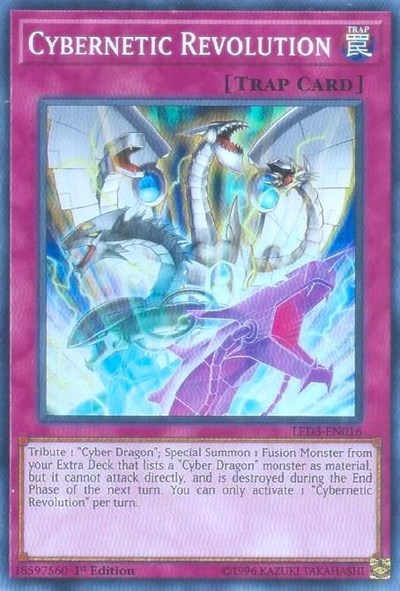
Cybernetic Revolution
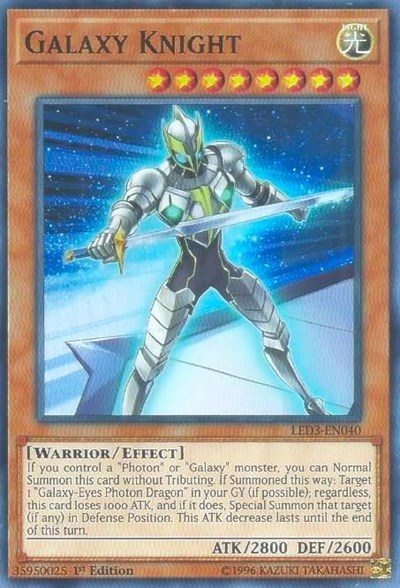
Galaxy Knight
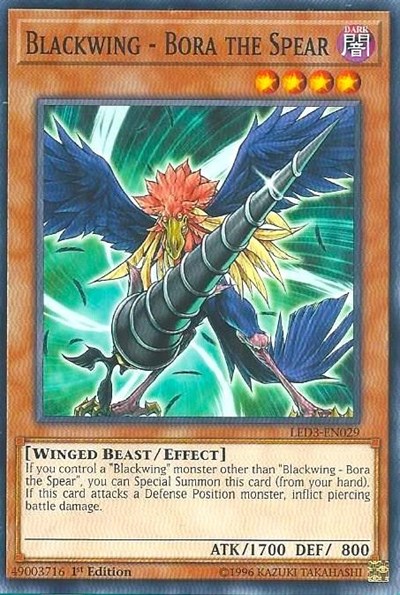
Blackwing - Bora the Spear
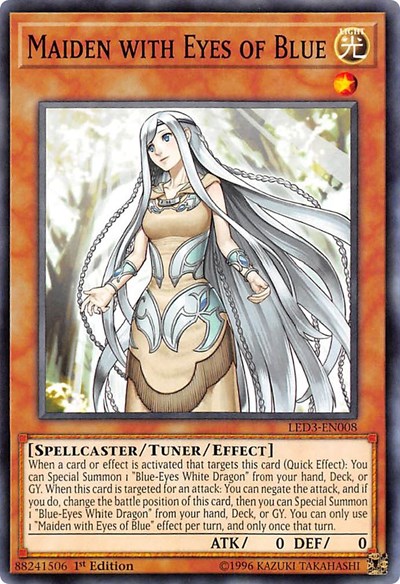
Maiden with Eyes of Blue
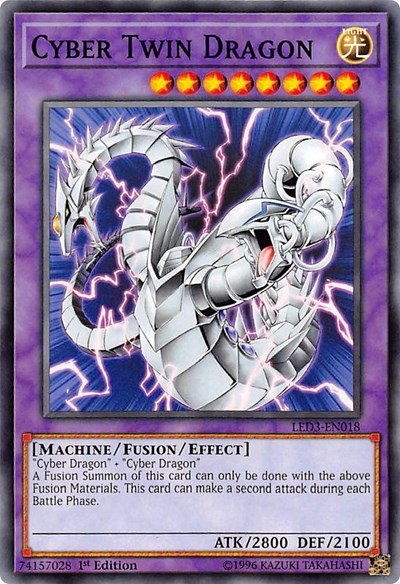
Cyber Twin Dragon
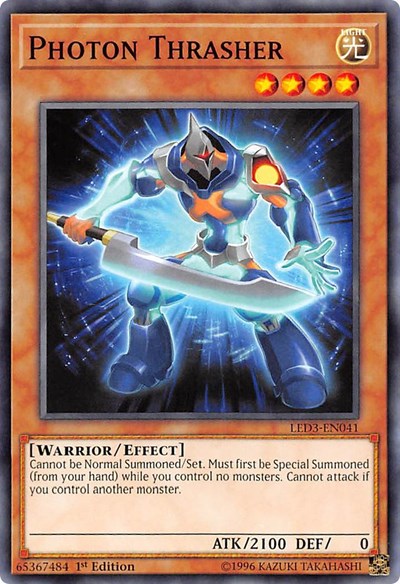
Photon Thrasher
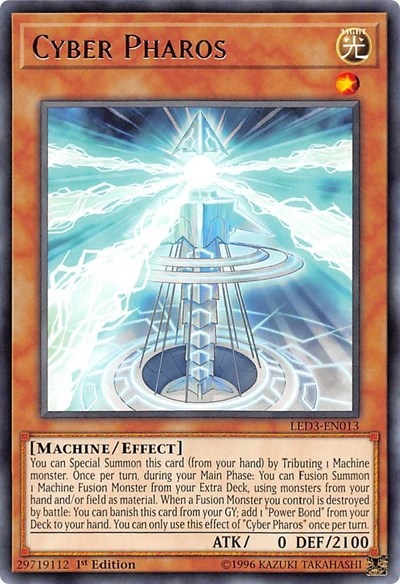
Cyber Pharos
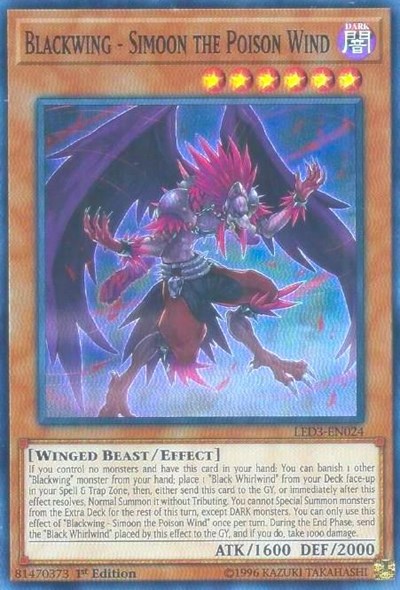
Blackwing - Simoon the Poison Wind
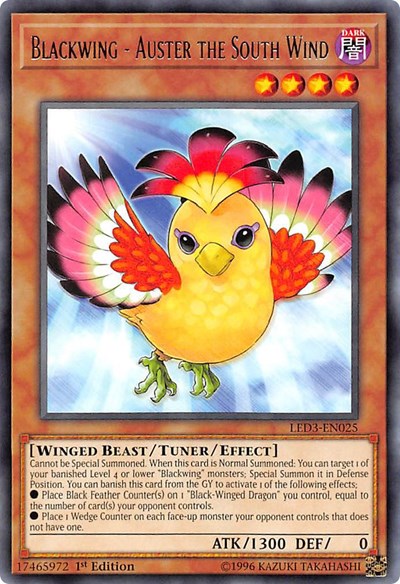
Blackwing - Auster the South Wind
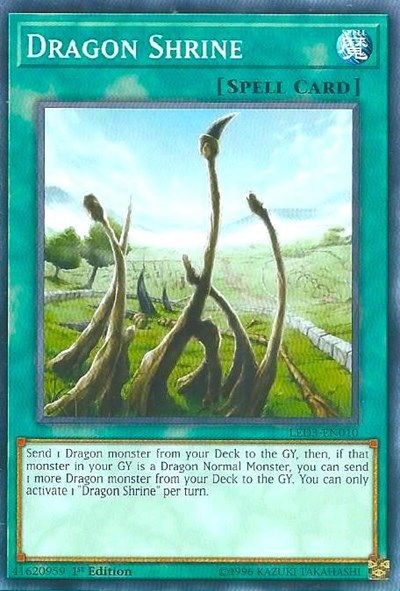
Dragon Shrine
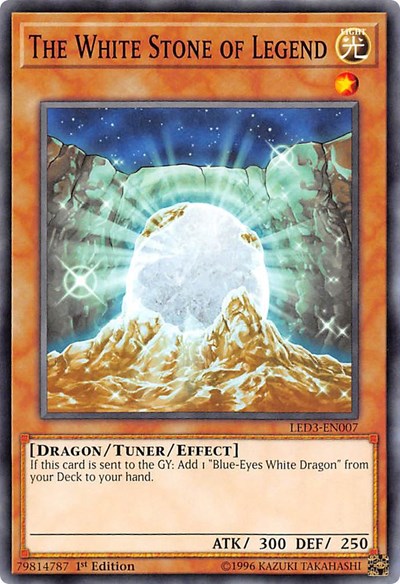
The White Stone of Legend
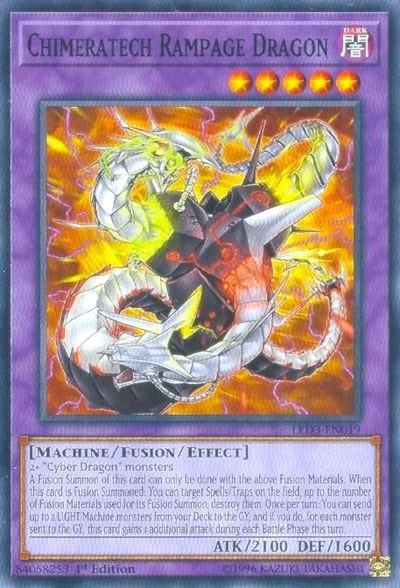
Chimeratech Rampage Dragon
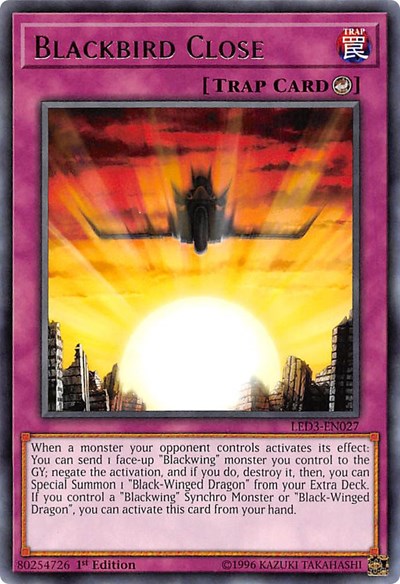
Blackbird Close
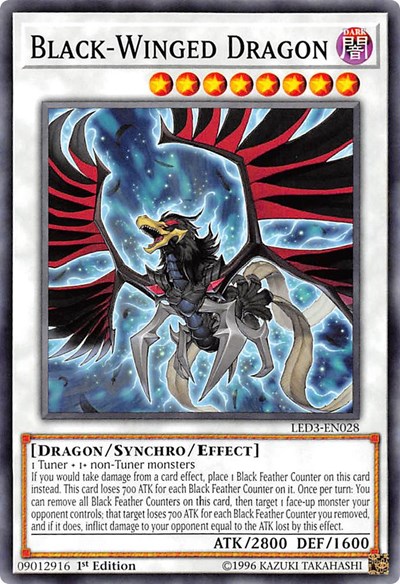
Black-Winged Dragon
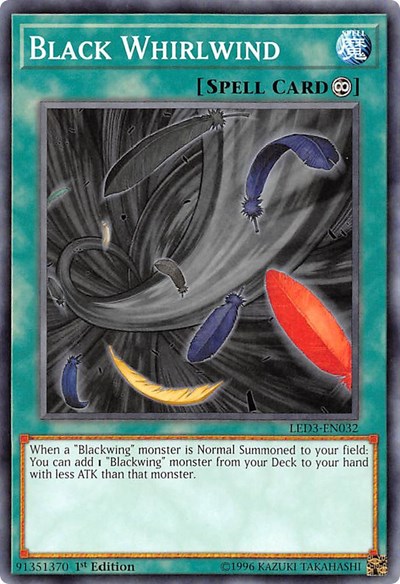
Black Whirlwind
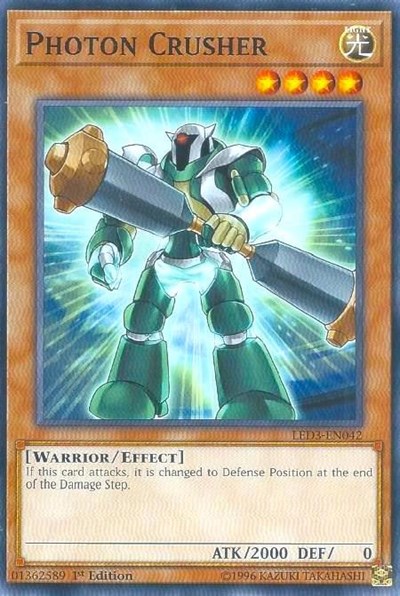
Photon Crusher
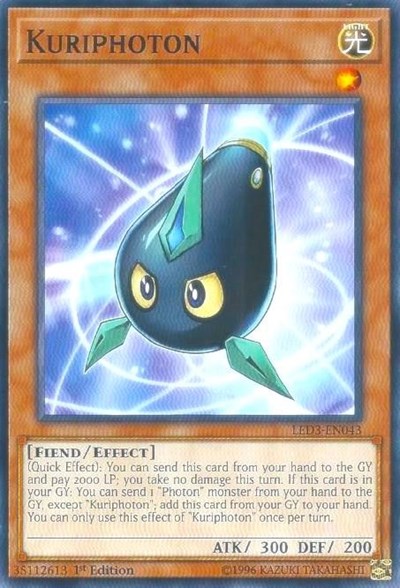
Kuriphoton
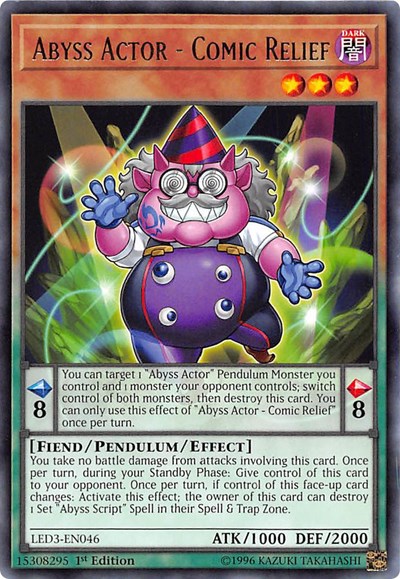
Abyss Actor - Comic Relief
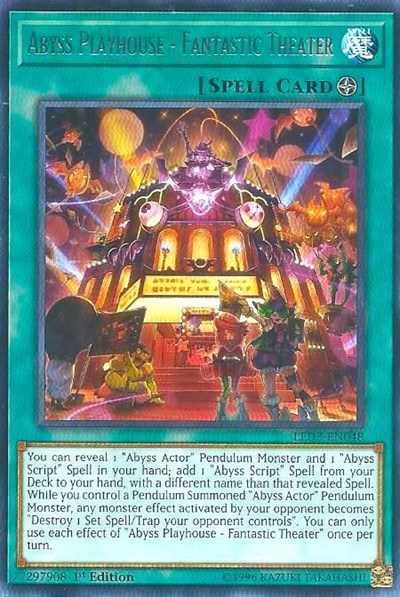
Abyss Playhouse - Fantastic Theater
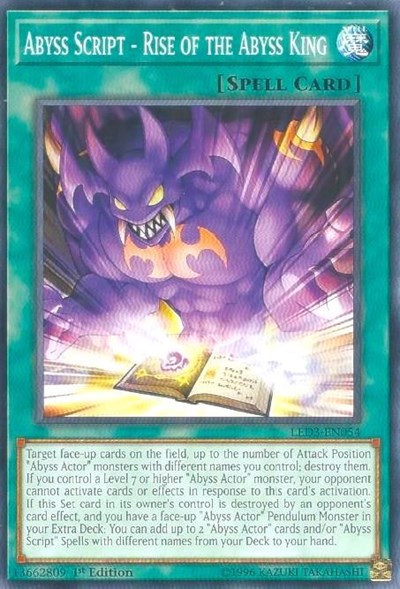
Abyss Script - Rise of the Abyss King
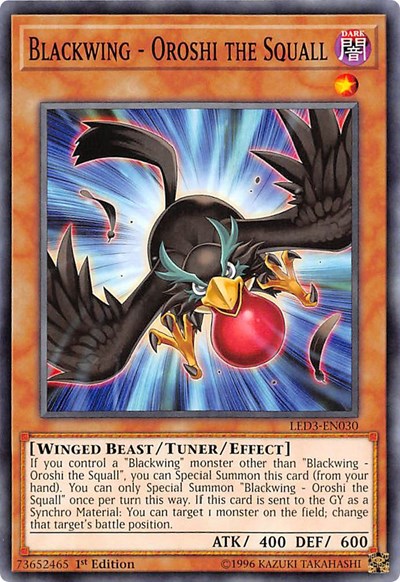
Blackwing - Oroshi the Squall
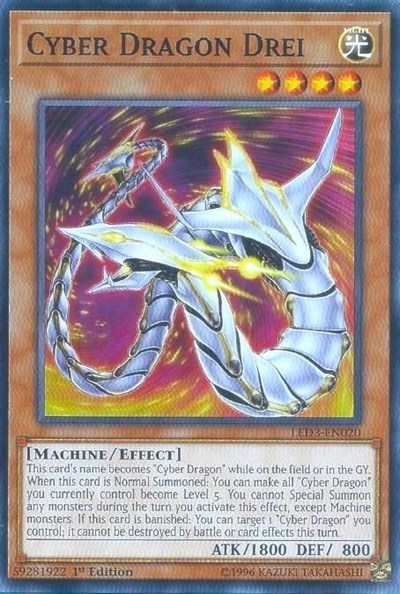
Cyber Dragon Drei
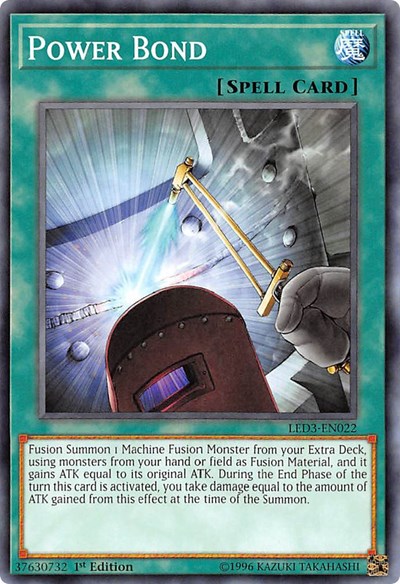
Power Bond
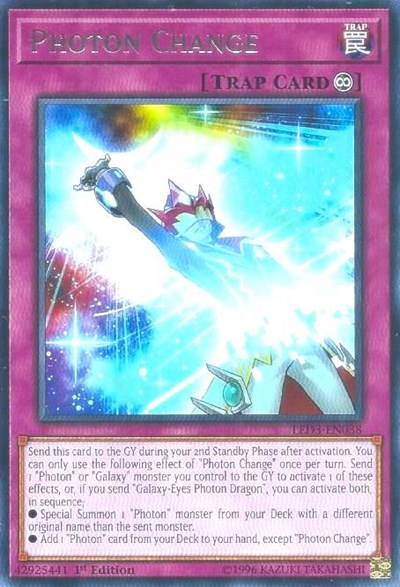
Photon Change
56 singles tracked