
DEM6 · Yu-Gi-Oh!
Speed Duel Demo Deck 2020
21 cards, led by Two-Headed King Rex at $0.60.
Released Jan 1, 2020
Set index · DEM6
115.80
+0.71 (+0.61%)3M
- 1W
- −0.63%
- 1M
- −0.42%
- 3M
- +0.61%
- 1Y
- +14.79%
52W low 91.07high 117.33


The 5 most valuable · $0.43 – $0.60
- Cards
- 21
- Priced printings
- 21
- Sales a week
- 4.8
- Typical single, Near Mint
- $0.31
- Popularity
- 19/100
- Standing
- #593
The index
A score that starts at 100 and moves with the set's fair value, compared on the same printings week to week.
One Near Mint copy of every printing at fair value; the chase cards move it most.
Cards
21 of 21 valued in Near Mint
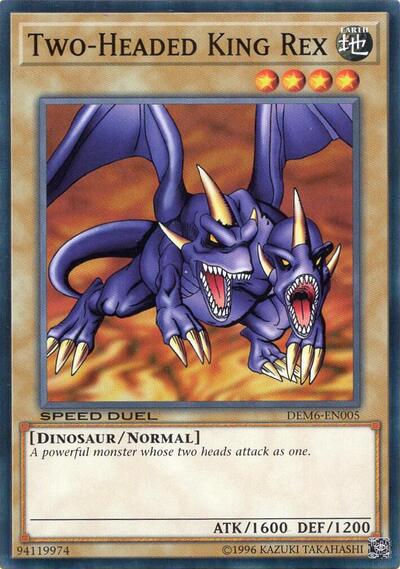
Two-Headed King Rex
Common$0.60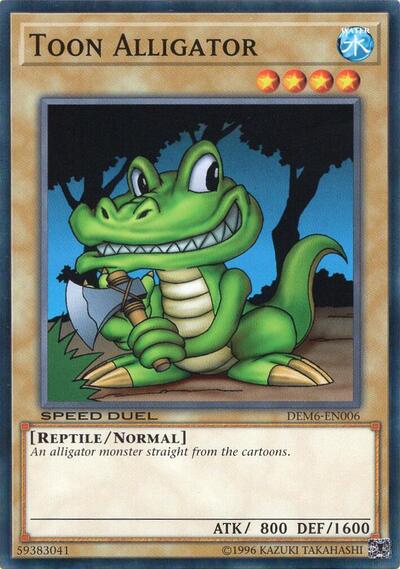
Toon Alligator
Common$0.48
Dark Rabbit
Common$0.47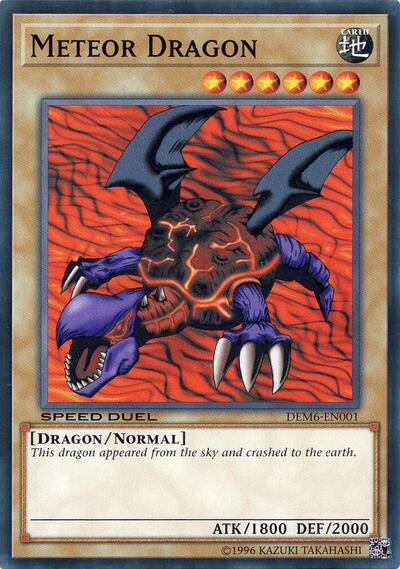
Meteor Dragon
Common$0.43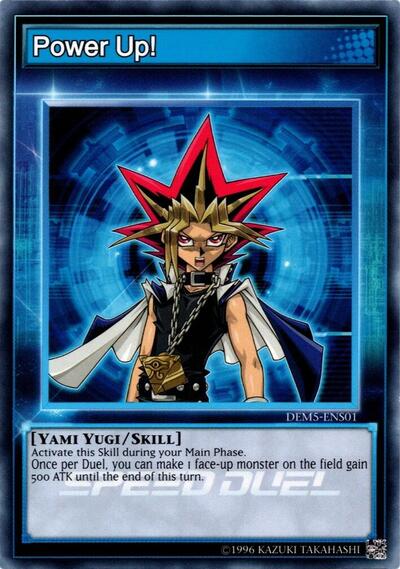
Power Up!
Common$0.43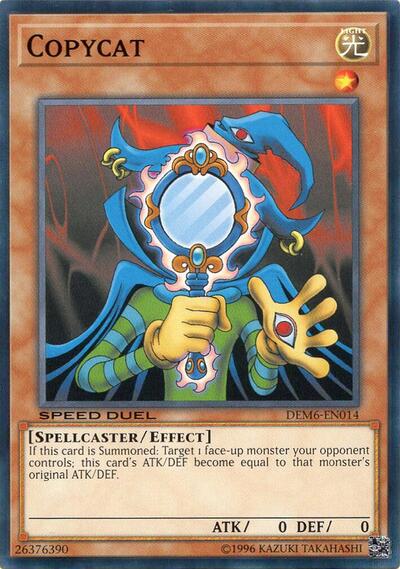
Copycat
Common$0.40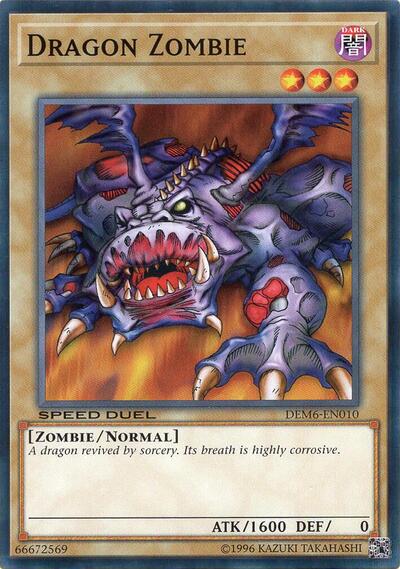
Dragon Zombie
Common$0.39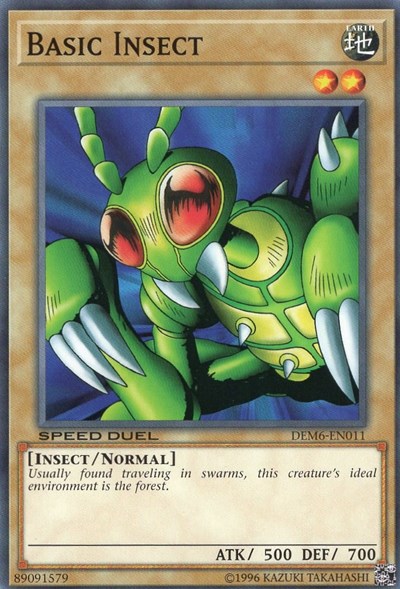
Basic Insect
Common$0.39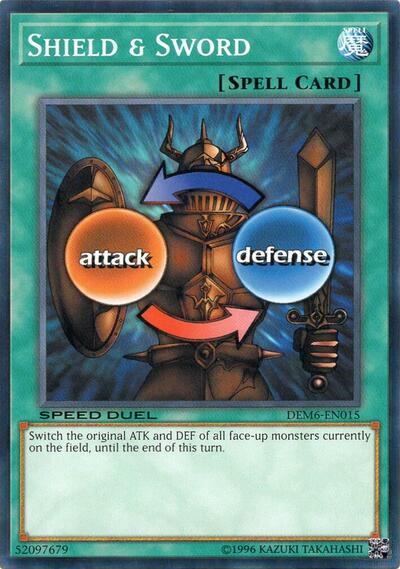
Shield & Sword
Common$0.39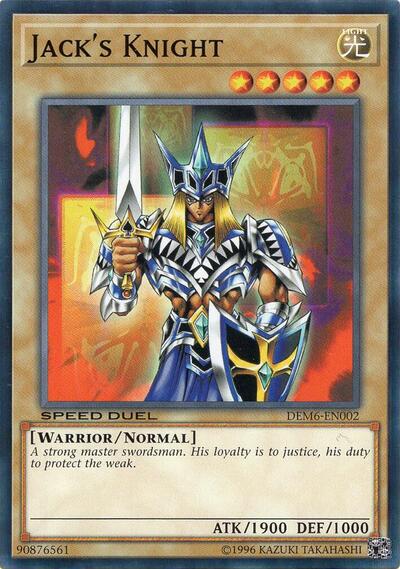
Jack's Knight
Common$0.33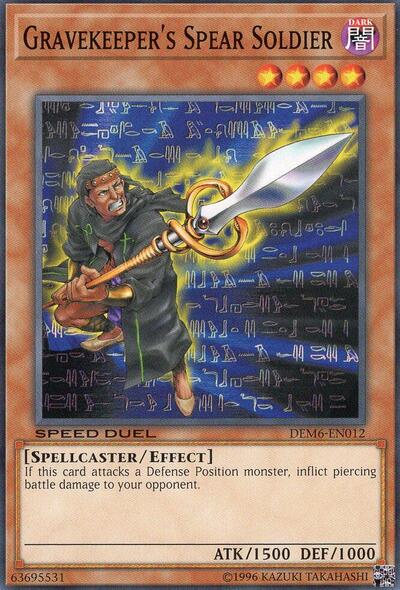
Gravekeeper's Spear Soldier
Common$0.31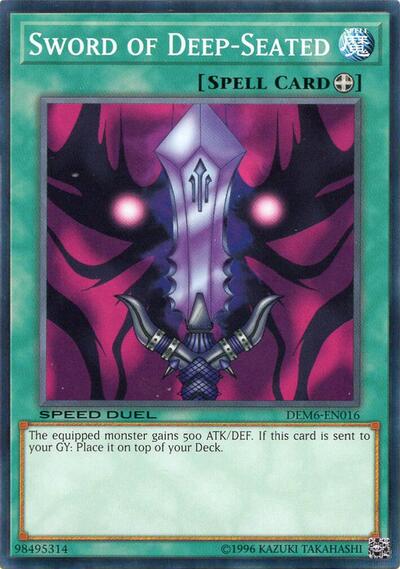
Sword of Deep-Seated
Common$0.29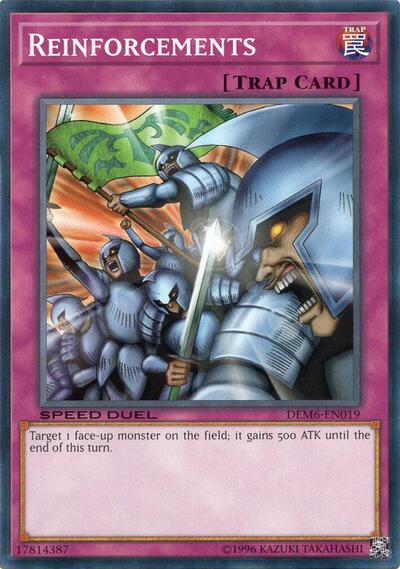
Reinforcements
Common$0.28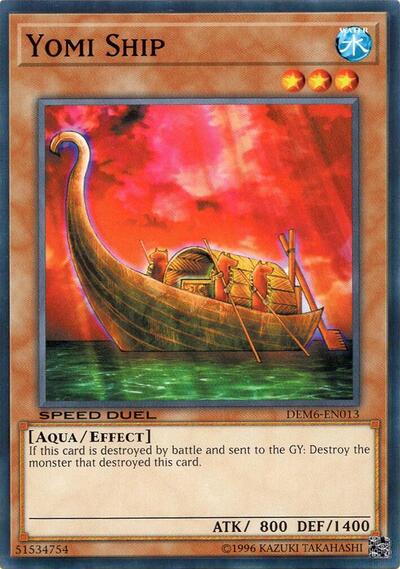
Yomi Ship
Common$0.27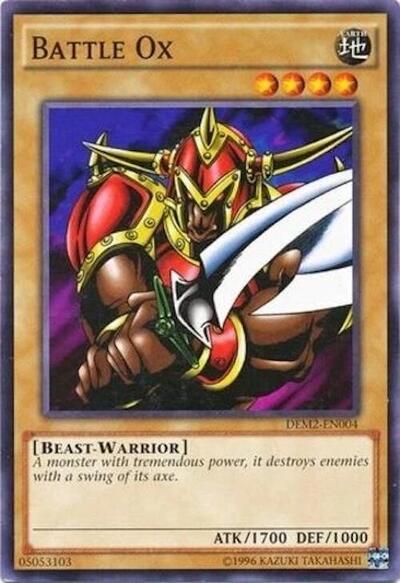
Battle Ox
Common$0.25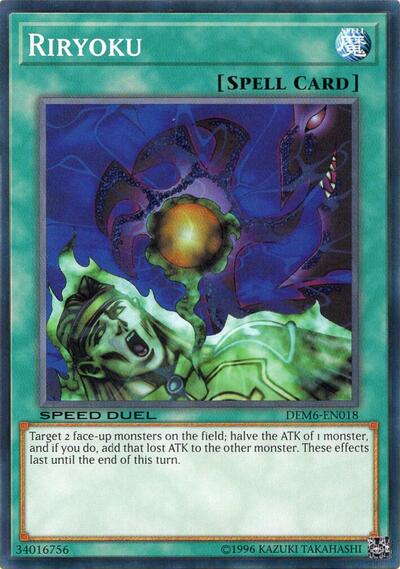
Riryoku
Common$0.25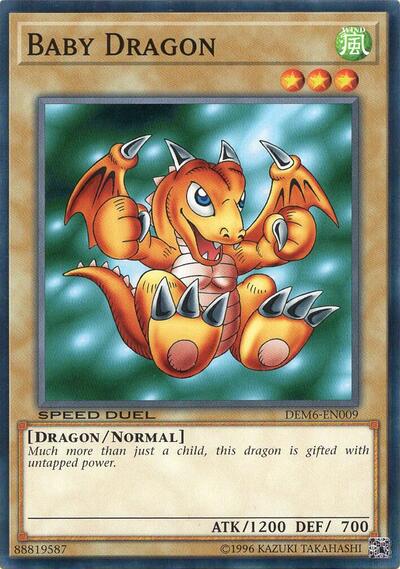
Baby Dragon
Common$0.22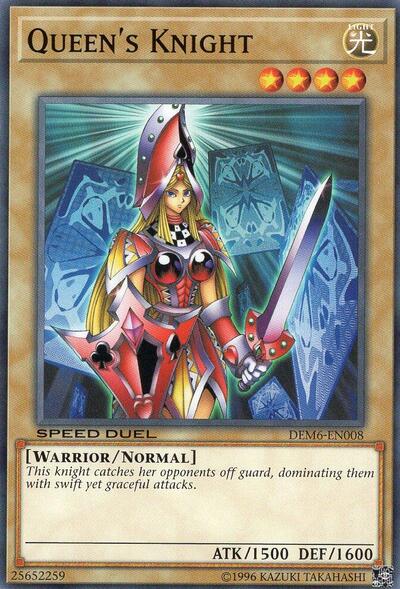
Queen's Knight
Common$0.20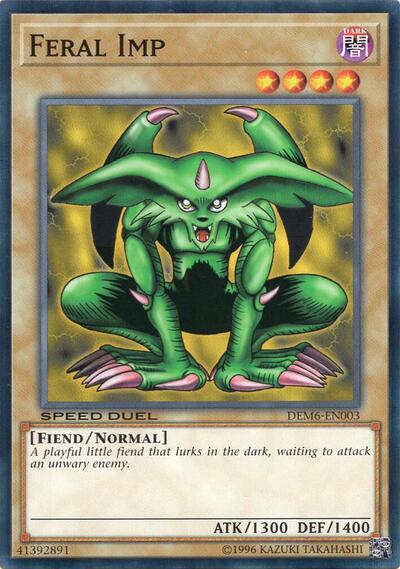
Feral Imp
Common$0.15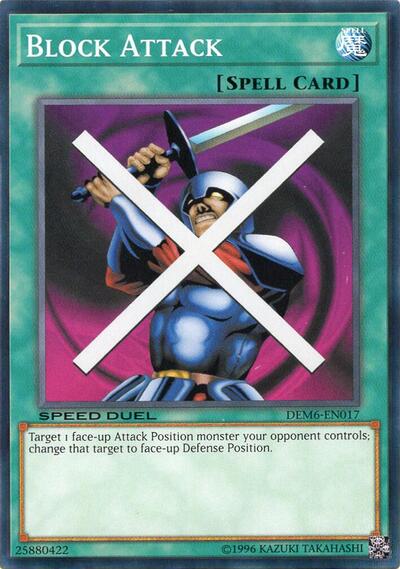
Block Attack
Common$0.15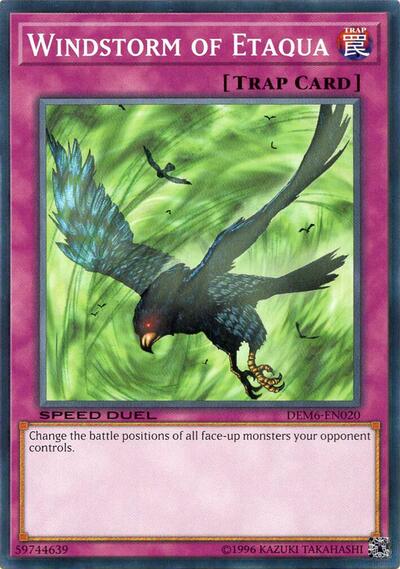
Windstorm of Etaqua
Common$0.11
In the set
21 singles tracked
- Common21 · 100%
How to read the set index
- What is the typical single?
- The median fair value of the set's Near Mint English singles — the price in the middle, so one chase card can't drag it up. Fair value comes from real sales only; the marketplace's Market Price is shown on card pages but never counted.
- What does the index line show?
- The Set Value Index: one Near Mint copy of every printing at fair value, compared week to week on the same printings, so it moves with the set's value — the chase cards most. It starts at 100; the 90-day figure is that line over the last quarter. Beside it, the typical card (every card counted the same, chases left out) and the chases on their own.
- How is popularity scored?
- Out of 100, against the rest of the game: how much the set's cards sell for, how many of them sell each week, how many cards it holds and how its index has moved. It ranks sets; it isn't a price.