
Starter Deck
Structure Deck: Saga of Blue-Eyes White Dragon (2020 Date Reprint)
- Market Price
- $9.57
- MSRP
- $10.99*
- Against MSRP
- ▼ 13% vs MSRP
SDBE · Yu-Gi-Oh!
40 cards, led by Mirage Dragon at $0.85.
Released Nov 24, 2022
Set index · SDBE
The index starts once a few weeks of sales collect.


The 5 most valuable · $0.48 – $0.85
A score that starts at 100 and moves with the set's fair value, compared on the same printings week to week.
One Near Mint copy of every printing at fair value; the chase cards move it most.
The index line fills in as weekly prices collect.
one of every printing · fair value · Nov 1, 2026
Every way Structure Deck: Saga of Blue Eyes White Dragon (2020 Date Reprint) was sold, priced.
1 product
* Standard MSRP for that product type, or a bundle's count × that price.
40 of 40 valued in Near Mint
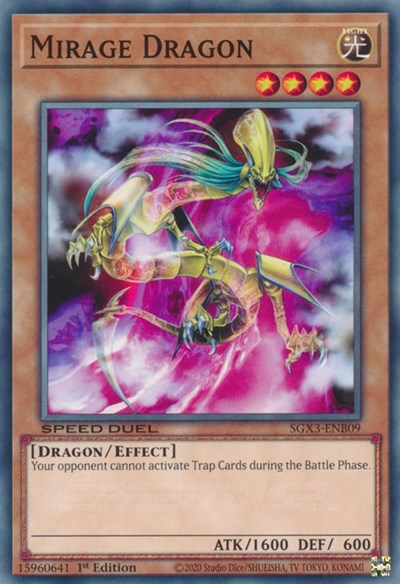
Mirage Dragon

Champion's Vigilance
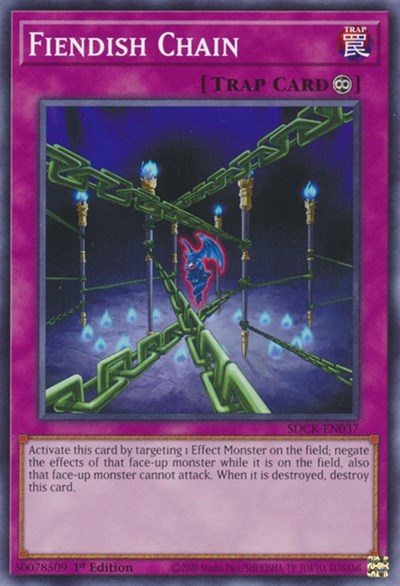
Fiendish Chain
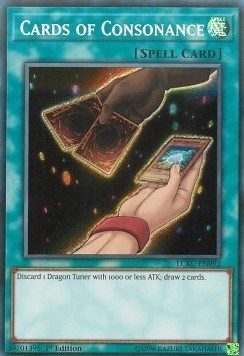
Cards of Consonance

Blue-Eyes White Dragon

Dragon Shrine

Herald of Creation
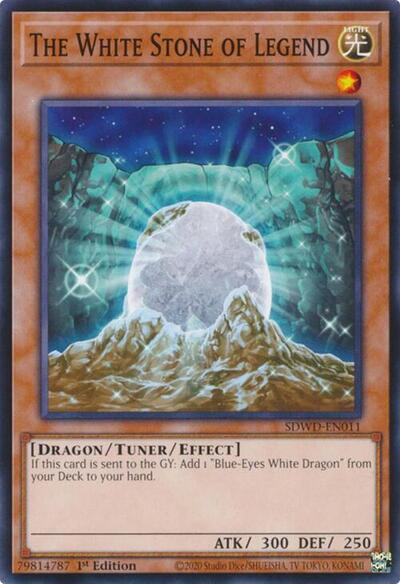
The White Stone of Legend

One for One
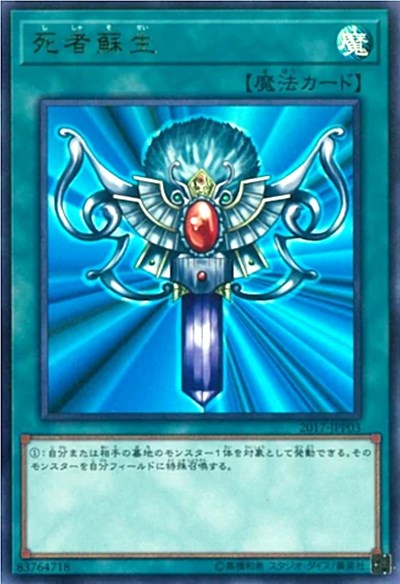
Monster Reborn

Darkstorm Dragon

Honest
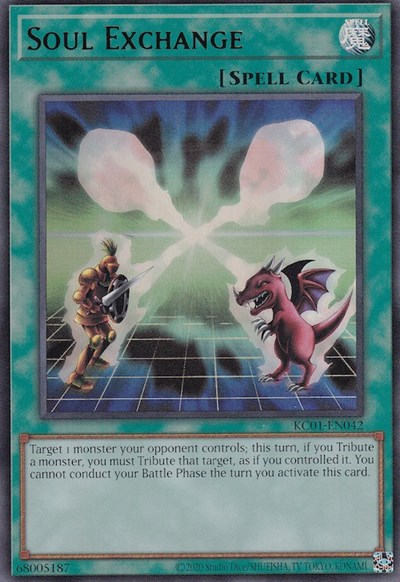
Soul Exchange
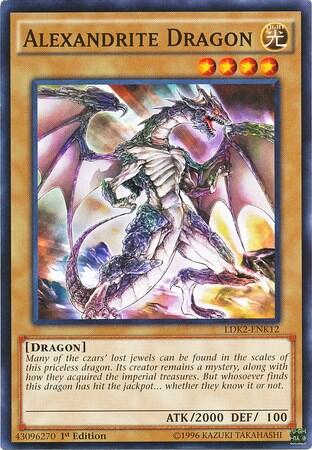
Alexandrite Dragon
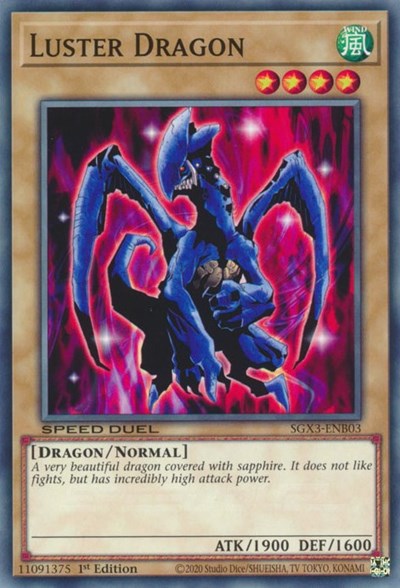
Luster Dragon

Maiden with Eyes of Blue

Kaibaman

Shining Angel
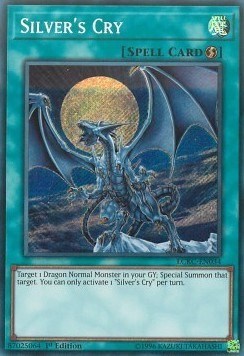
Silver's Cry
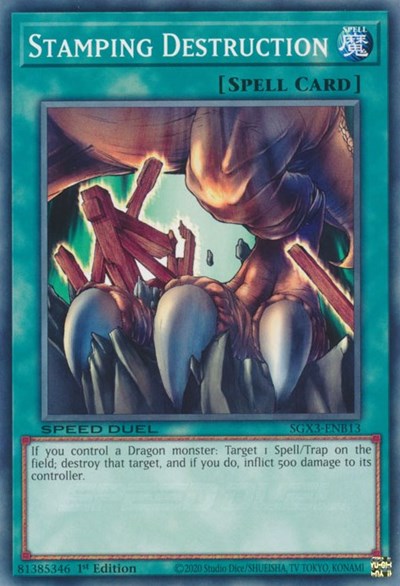
Stamping Destruction
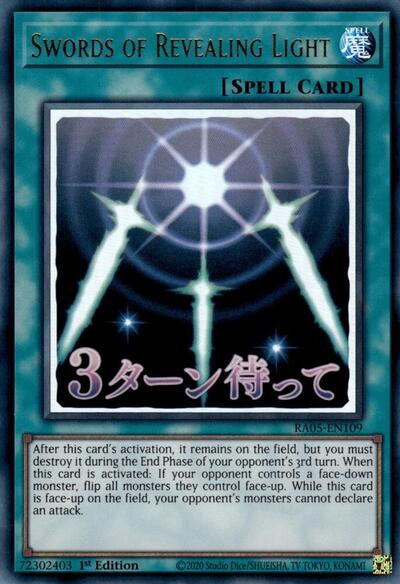
Swords of Revealing Light

Compulsory Evacuation Device
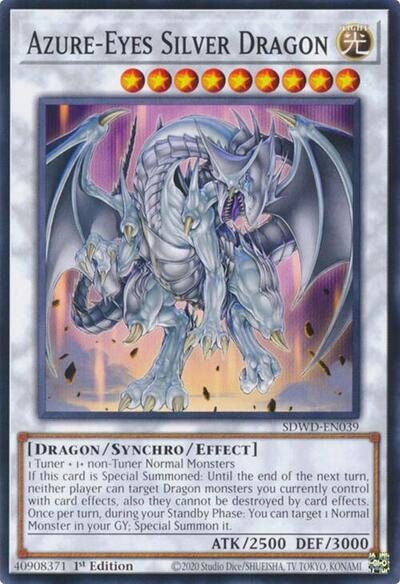
Azure-Eyes Silver Dragon

Flamvell Guard
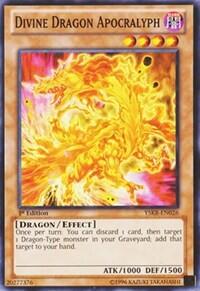
Divine Dragon Apocralyph
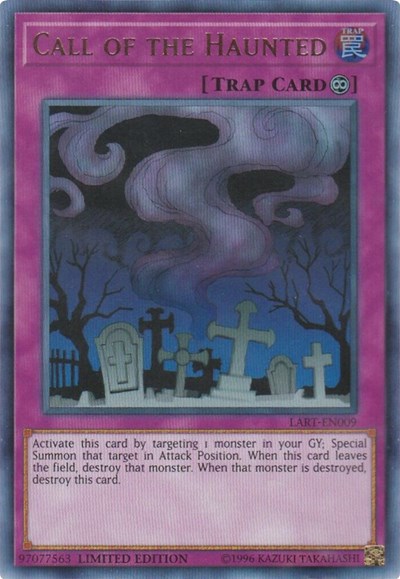
Call of the Haunted

A Wingbeat of Giant Dragon
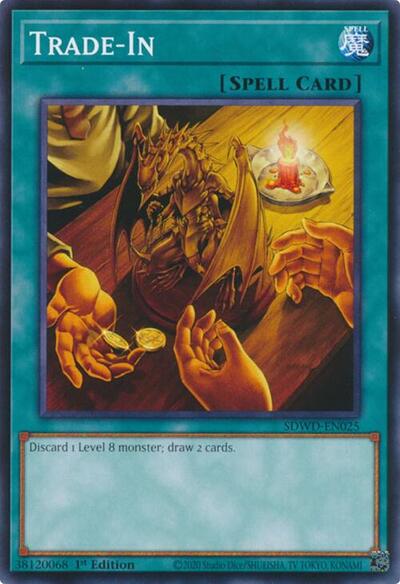
Trade-In

Dragonic Tactics

Enemy Controller

Kunai with Chain
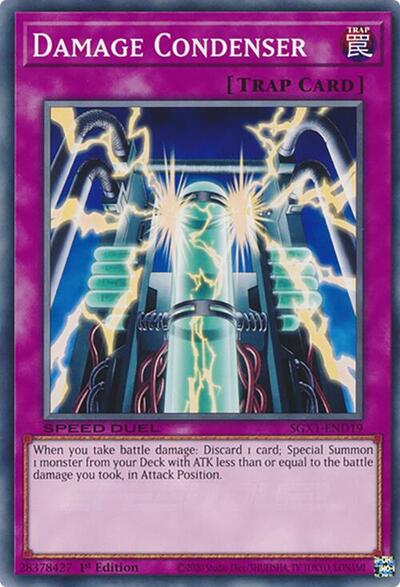
Damage Condenser
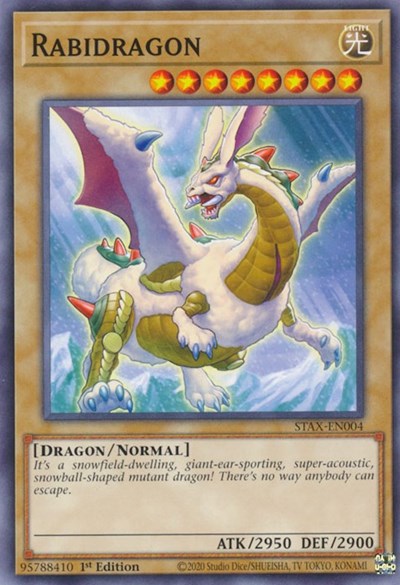
Rabidragon

Rider of the Storm Winds

Kaiser Glider

Hieratic Dragon of Tefnuit

Kaiser Sea Horse
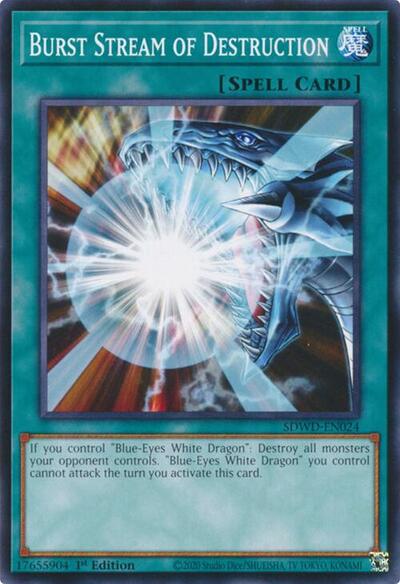
Burst Stream of Destruction

White Elephant's Gift
Castle of Dragon Souls
40 singles tracked