
sB · Pokémon Japan
sB: Sword & Shield Premium Trainer Box
0 cards, led by Green's Exploration at $4.68.
Released Dec 6, 2019
Set index · sB
The index starts once a few weeks of sales collect.


The 5 most valuable · $1.66 – $4.68
- Cards
- 0
- Priced printings
- 0
- Sales a week
- 0.0
- Typical single, Near Mint
- —
- Popularity
- 0/100
- Standing
- #0
The index
A score that starts at 100 and moves with the set's fair value, compared on the same printings week to week.
One Near Mint copy of every printing at fair value; the chase cards move it most.
The index line fills in as weekly prices collect.
Cards
24 of 24 valued in Near Mint
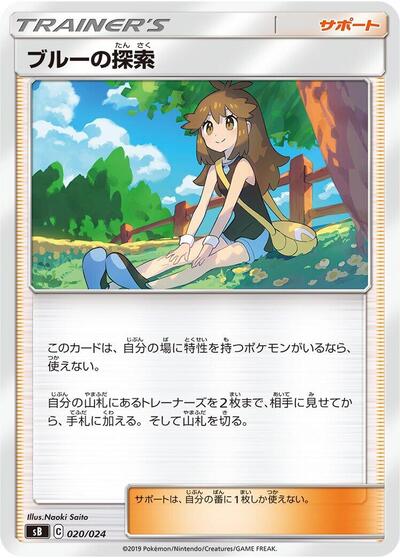
Green's Exploration
None$4.68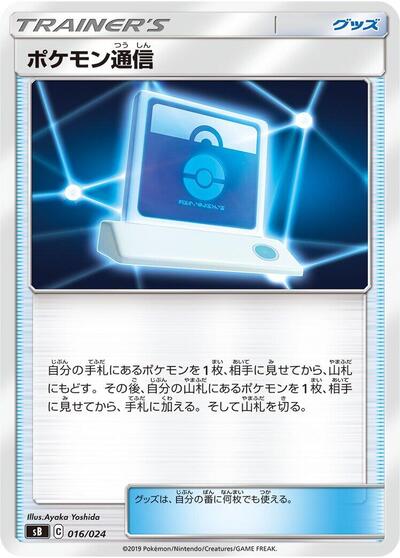
Pokémon Communication
None$2.11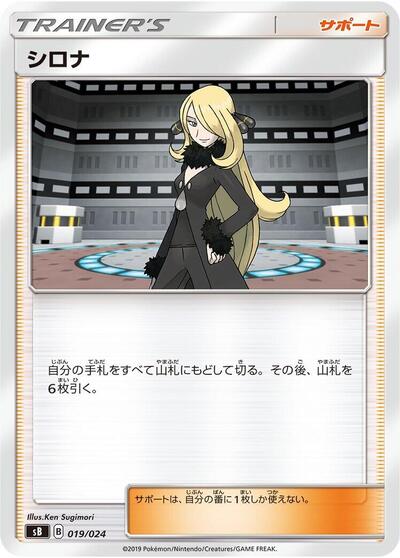
Cynthia
None$2.06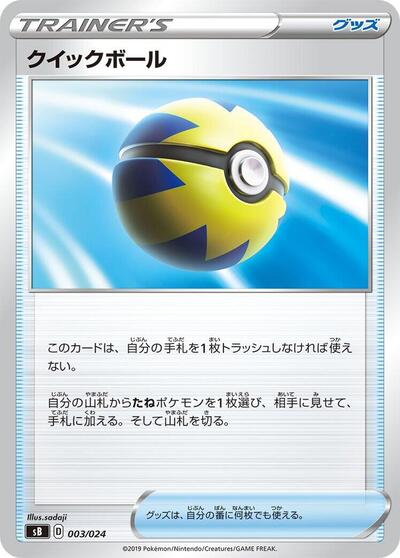
Quick Ball
None$1.68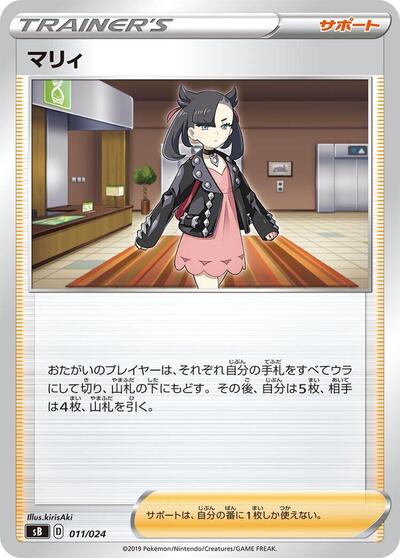
Marnie
None$1.66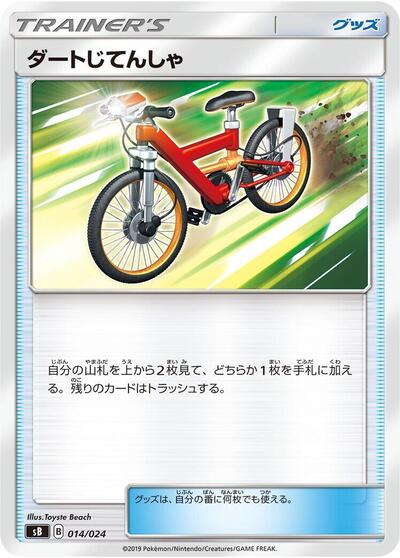
Acro Bike
None$1.60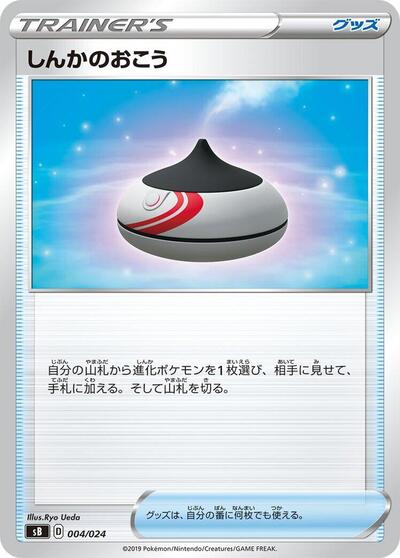
Evolution Incense
None$1.59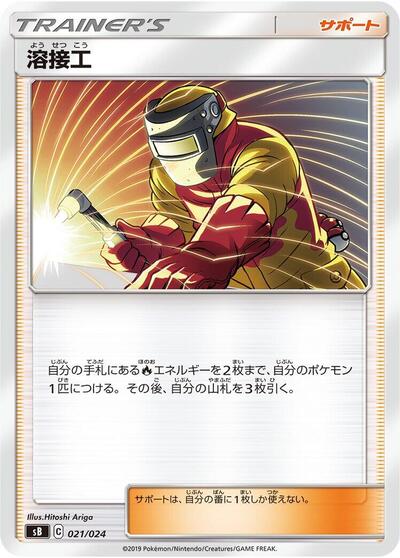
Welder
None$1.56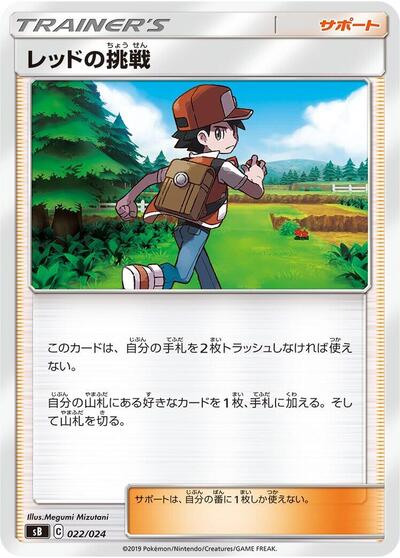
Red's Challenge
None$1.51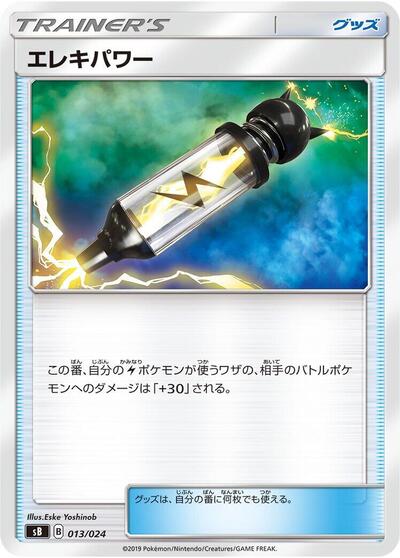
Electropower
None$1.49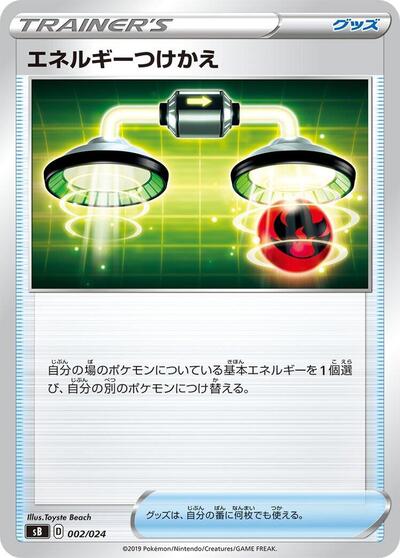
Energy Switch
None$1.29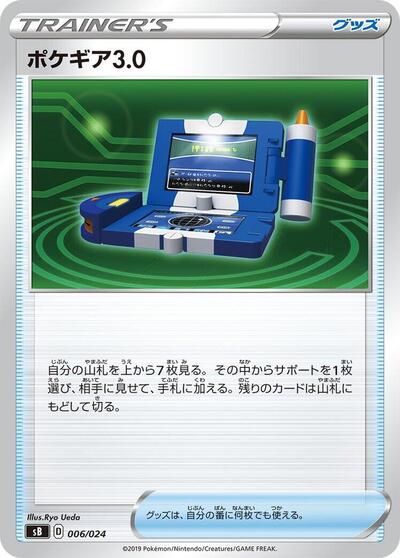
Pok egear 3.0
None$1.17
Pok emon Catcher
None$1.17
Bede
None$1.17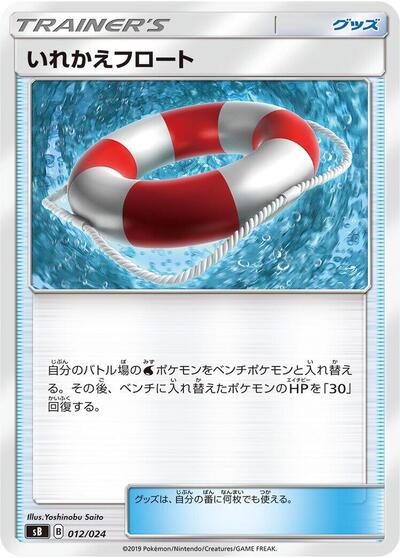
Switch Raft
None$1.17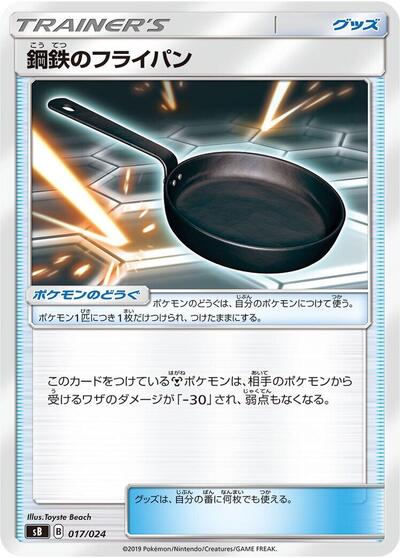
Metal Frying Pan
None$1.17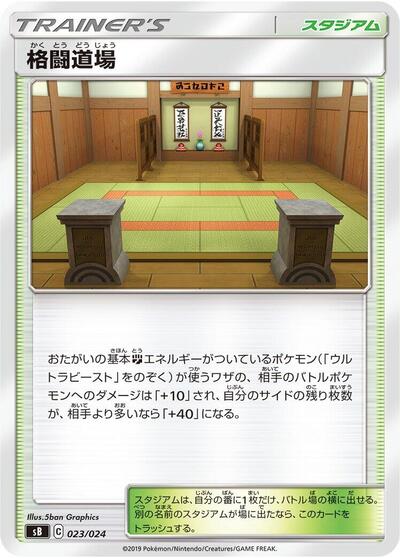
Martial Arts Dojo
None$1.17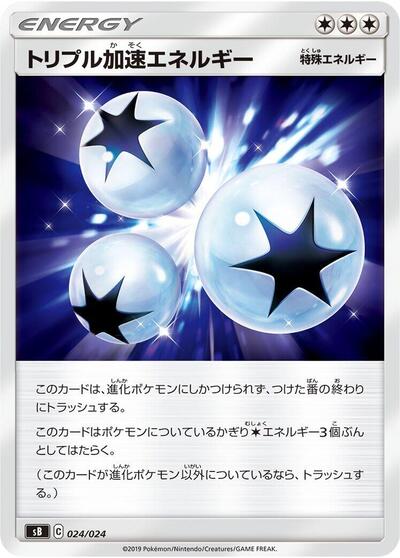
Triple Acceleration Energy
None$0.98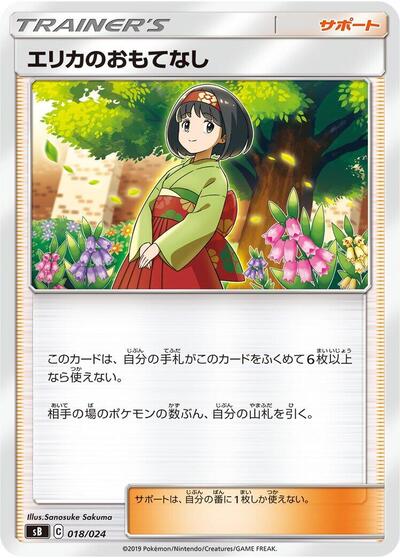
Erika's Hospitality
None$0.93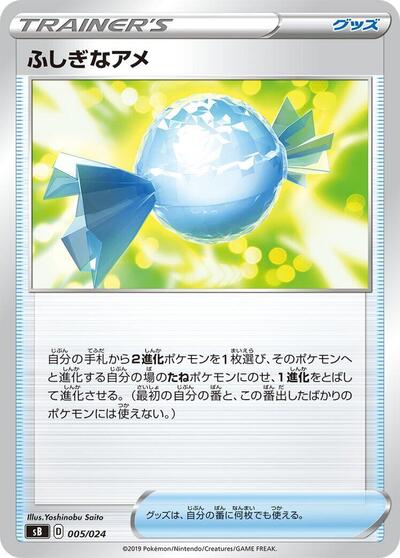
Rare Candy
None$0.80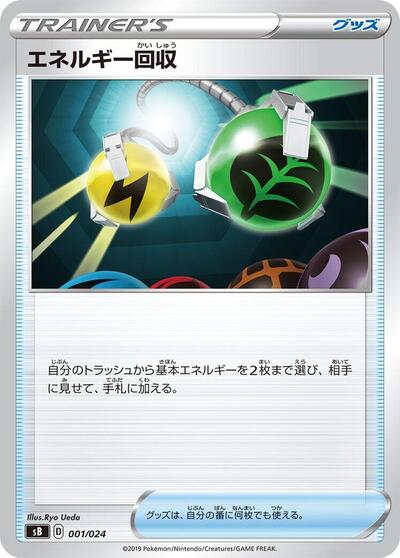
Energy Retrieval
None$0.71
Professor's Research
None$0.71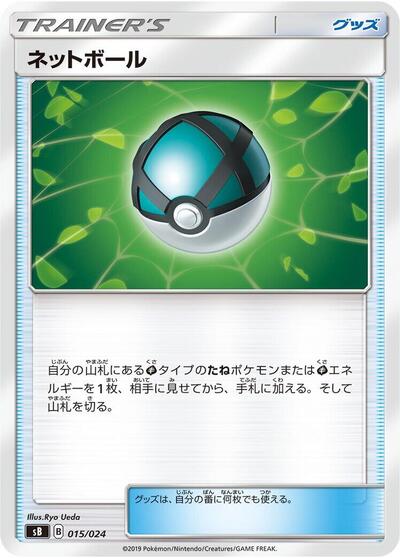
Net Ball
None$0.67
Switch
None$0.58
In the set
24 singles tracked
- None24 · 100%
How to read the set index
- What is the typical single?
- The median fair value of the set's Near Mint English singles — the price in the middle, so one chase card can't drag it up. Fair value comes from real sales only; the marketplace's Market Price is shown on card pages but never counted.
- What does the index line show?
- The Set Value Index: one Near Mint copy of every printing at fair value, compared week to week on the same printings, so it moves with the set's value — the chase cards most. It starts at 100; the 90-day figure is that line over the last quarter. Beside it, the typical card (every card counted the same, chases left out) and the chases on their own.
- How is popularity scored?
- Out of 100, against the rest of the game: how much the set's cards sell for, how many of them sell each week, how many cards it holds and how its index has moved. It ranks sets; it isn't a price.