

 PL · Pokémon
Platinum
133 cards, led by Psyduck at $23.99.
Released Feb 11, 2009
Set index · PL
100.84
+0.84 (+0.84%)1Y
- 1W
- +0.84%
- 1Y
- +0.84%
52W low 100.00high 100.84


The 5 most valuable · $165.64 – $23.99
- Cards
- 133
- Priced printings
- 254
- Sales a week
- 97
- Typical single, Near Mint
- $5.56
- Popularity
- 61/100
- Standing
- #66
The index
A score that starts at 100 and moves with the set's fair value, compared on the same printings week to week.
One Near Mint copy of every printing at fair value; the chase cards move it most.
Master set value
one of every printing · fair value · Oct 31, 2026
- NM
- $4,473.20
- 254 of 254 priced · 99% from sales
- LP
- $2,631.42
- 254 of 254 priced · 100% from sales
- MP
- $1,627.91
- 254 of 254 priced · 100% from sales
- HP
- $1,160.53
- 254 of 254 priced · 98% from sales
- DMG
- $888.22
- 254 of 254 priced · 95% from sales
Sealed
Every way Platinum was sold, priced.
8 products
Tin
Fall 2009 Collector's Tin [Garchomp LV.X]
- Market Price
- —
- MSRP
- —
What's inside
InsideReported
- 1×promo card (LV.X per the name; not matched)
- 3×Series booster packs (sets not stated)
- 1×Diamond & Pearl Series booster pack (set not stated)
Tin
Fall 2009 Collector's Tin [Rayquaza LV.X]
- Market Price
- —
- MSRP
- —
What's inside
InsideReported
- 1×promo card (LV.X per the name; not matched)
- 3×Series booster packs (sets not stated)
- 1×Diamond & Pearl Series booster pack (set not stated)
Tin
Spring 2009 Collector's Tin [Dialga LV.X]
- Market Price
- —
- MSRP
- —
What's inside
InsideReported
2×Booster Pack
- 1×promo card (LV.X per the name; not matched)
- 2×Diamond & Pearl Series booster packs (sets not stated)
Tin
Spring 2009 Collector's Tin [Shaymin LV.X]
- Market Price
- —
- MSRP
- —
What's inside
InsideReported
- 1×promo card (LV.X per the name; not matched)
- 2×Diamond & Pearl Series booster packs (sets not stated)
Preconstructed Deck
Theme Deck - "Flourish"
- Market Price
- $250.00
- MSRP
- $11.99*
- Against MSRP
- ▲ 1985% vs MSRP
What's inside
InsideReported
- 1×60-card preconstructed deck
- 1×Damage counters
- 1×coin
Preconstructed Deck
Theme Deck - "Rebellion"
- Market Price
- —
- MSRP
- $11.99*
What's inside
InsideReported
- 1×60-card preconstructed deck
- 1×Damage counters
- 1×coin
* Standard MSRP for that product type, or a bundle's count × that price.
Cards
133 of 133 valued in Near Mint
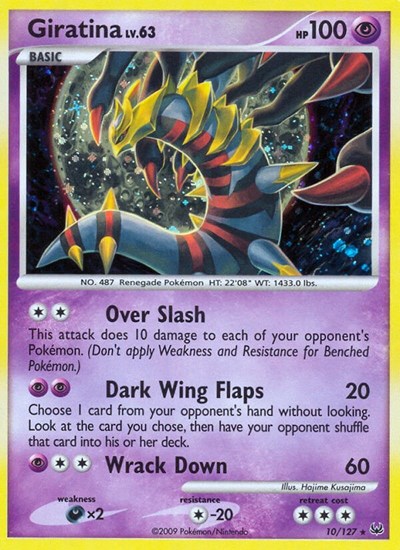
Giratina (10)
Holo Rare$200.24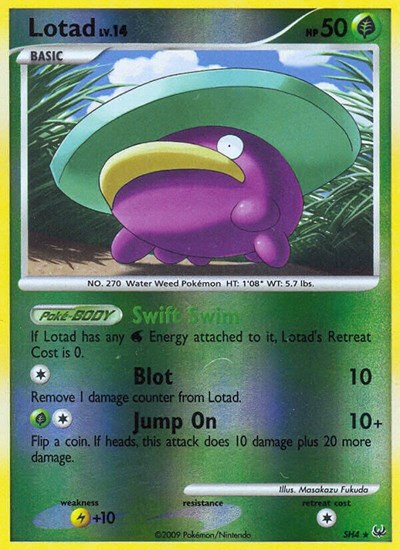
Lotad (Shiny)
Shiny Holo Rare$189.69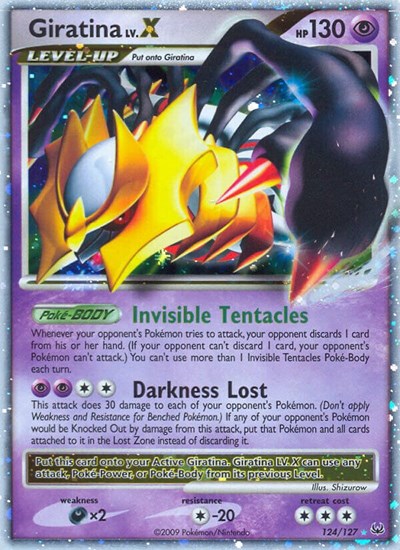
Giratina LV.X
Ultra Rare$189.04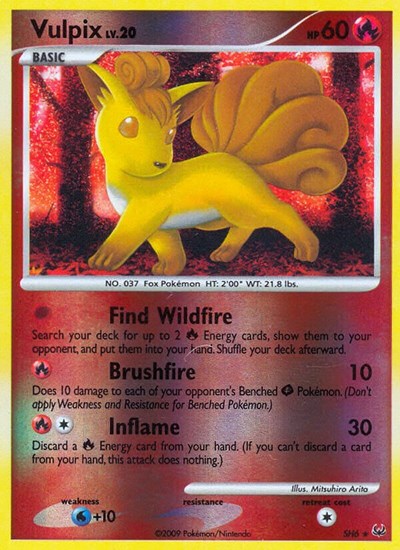
Vulpix (Shiny)
Shiny Holo Rare$165.64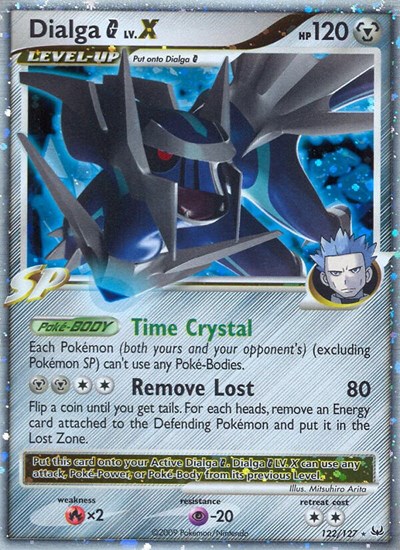
Dialga G LV.X
Ultra Rare$157.49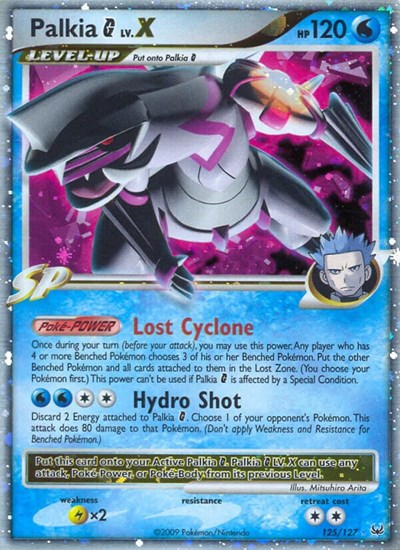
Palkia G Lv.X
Ultra Rare$132.15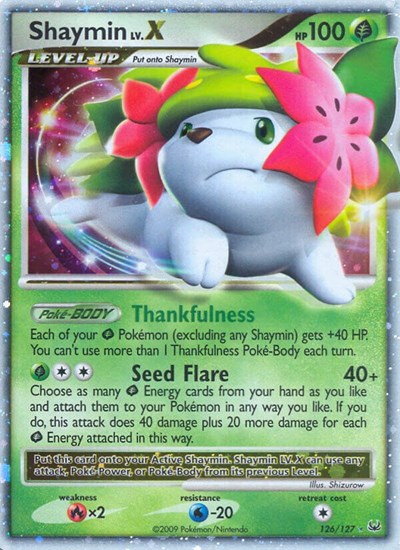
Shaymin Lv.X (Land Forme)
Ultra Rare$128.35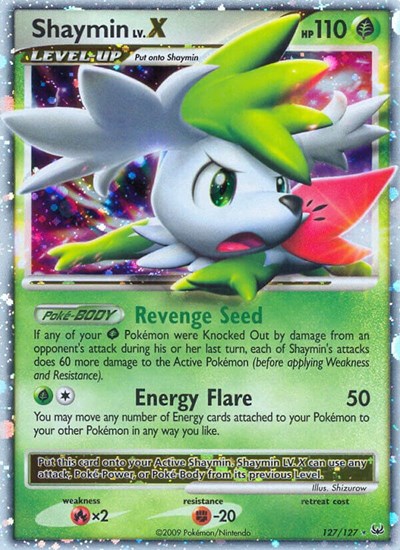
Shaymin Lv.X (Sky Forme)
Ultra Rare$95.57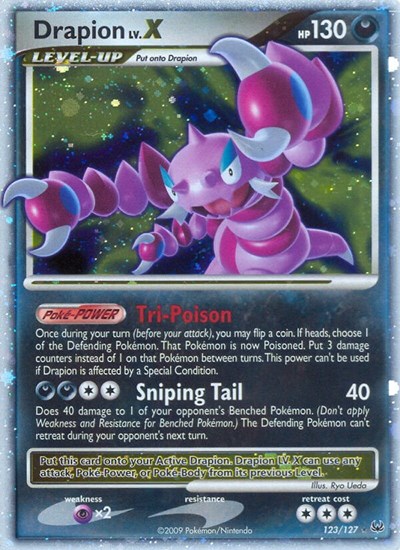
Drapion LV.X
Ultra Rare$83.19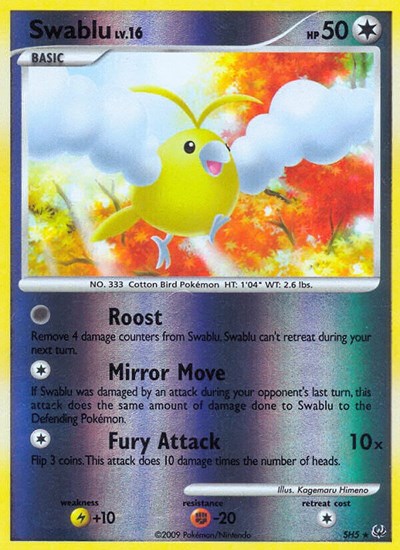
Swablu (Shiny)
Shiny Holo Rare$79.63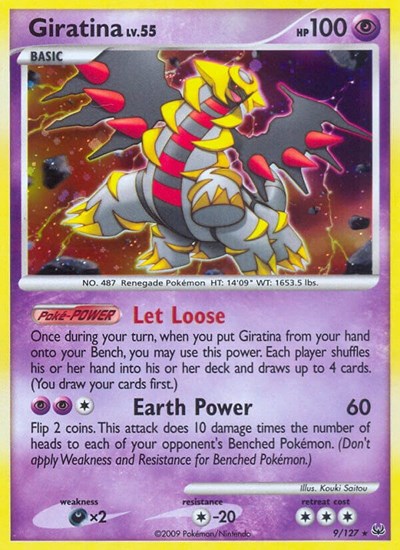
Giratina (9)
Holo Rare$54.75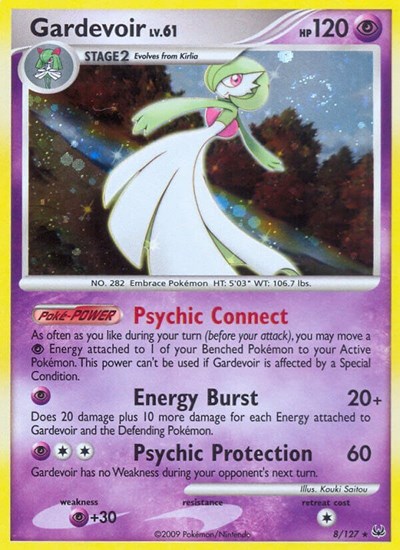
Gardevoir
Holo Rare$49.96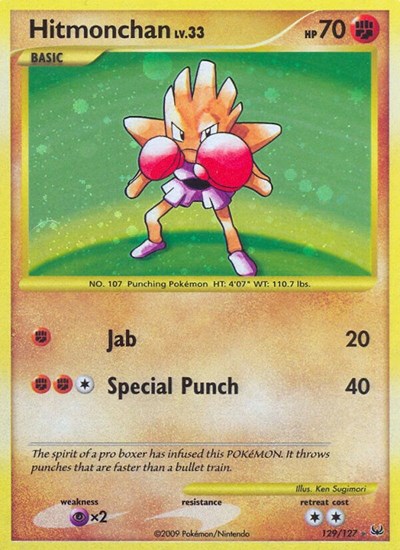
Hitmonchan
Secret Rare$46.01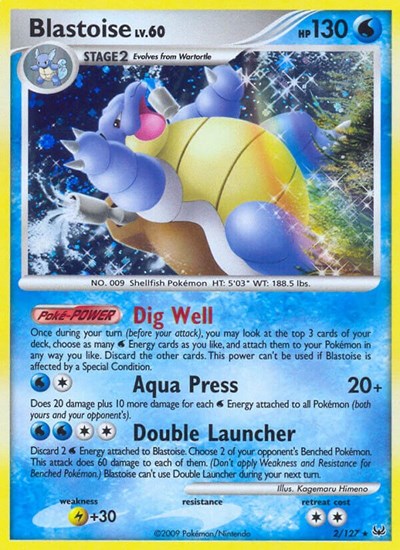
Blastoise
Holo Rare$45.82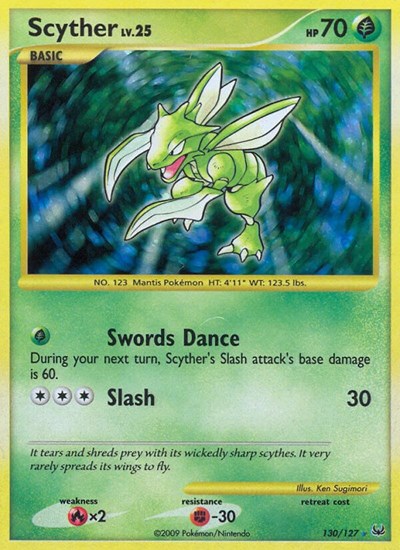
Scyther
Secret Rare$45.33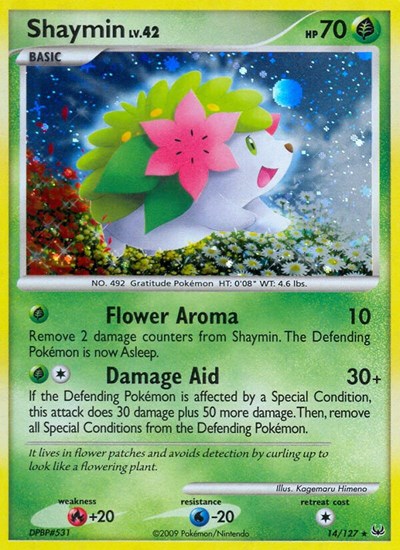
Shaymin (14)
Holo Rare$36.16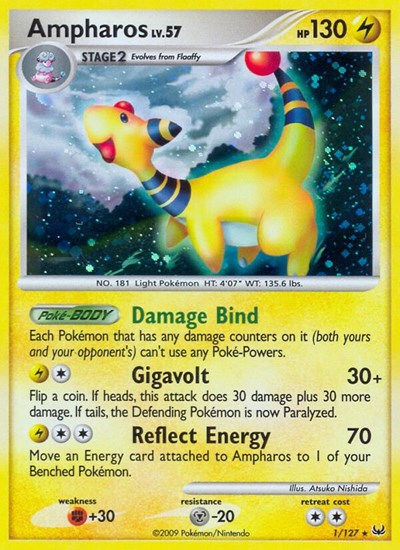
Ampharos
Holo Rare$32.01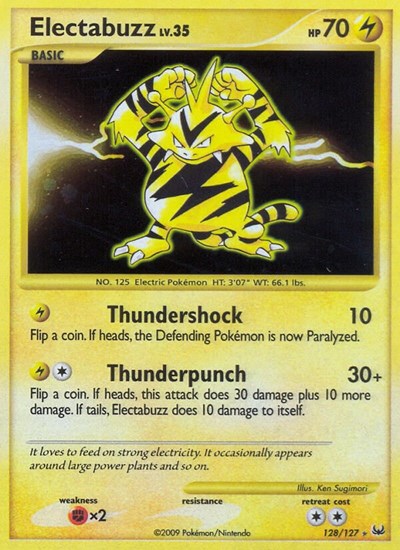
Electabuzz
Secret Rare$27.30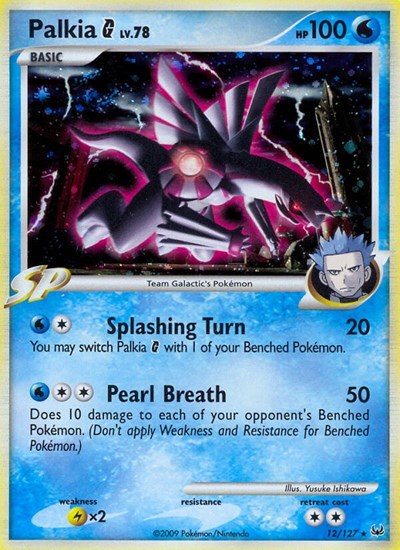
Palkia G
Holo Rare$25.91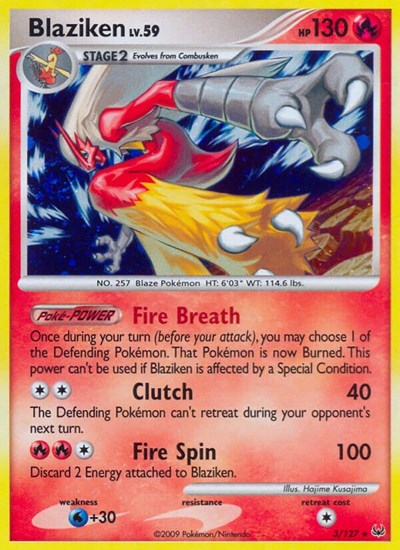
Blaziken
Holo Rare$25.73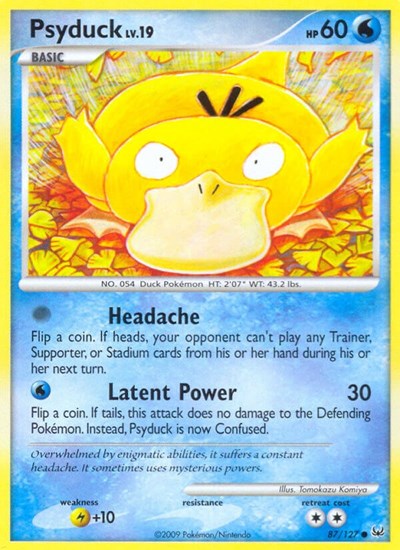
Psyduck
Common$23.99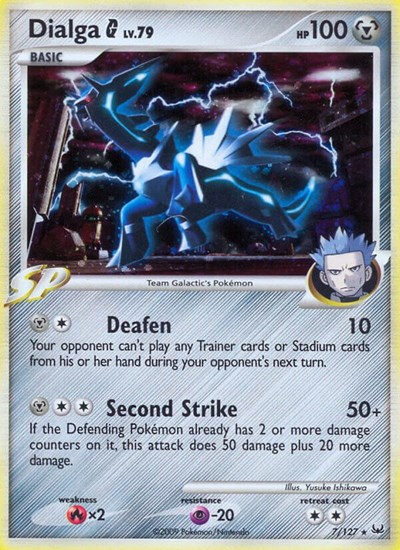
Dialga G
Holo Rare$18.03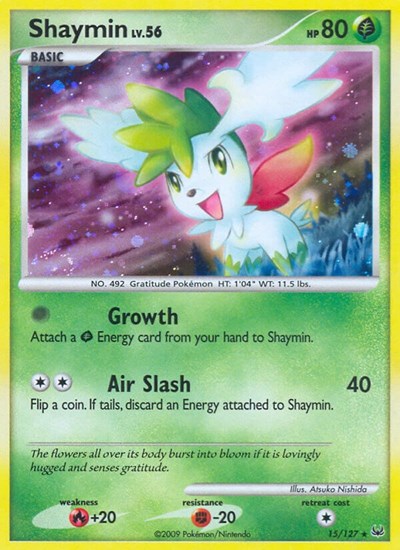
Shaymin (15)
Holo Rare$17.88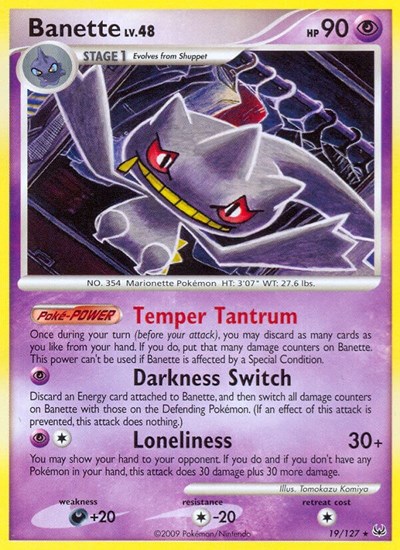
Banette
Rare$15.37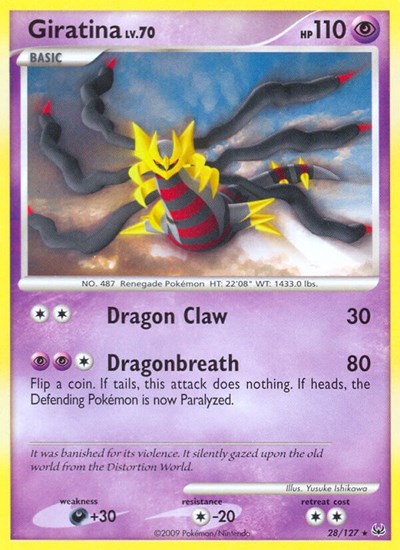
Giratina (28)
Rare$13.86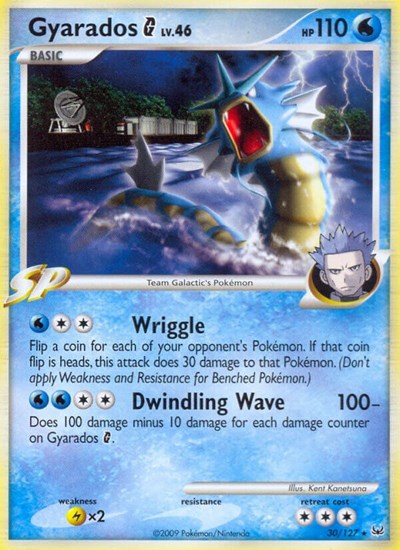
Gyarados G
Rare$13.49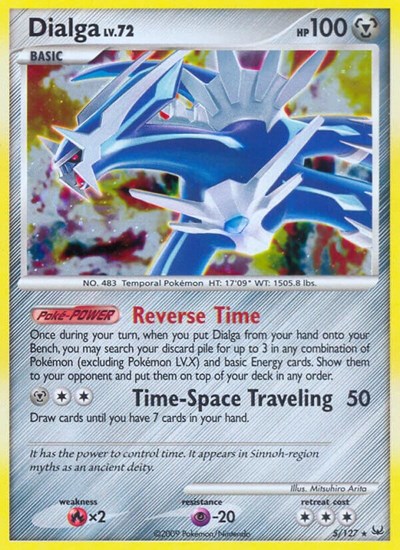
Dialga (5)
Holo Rare$13.27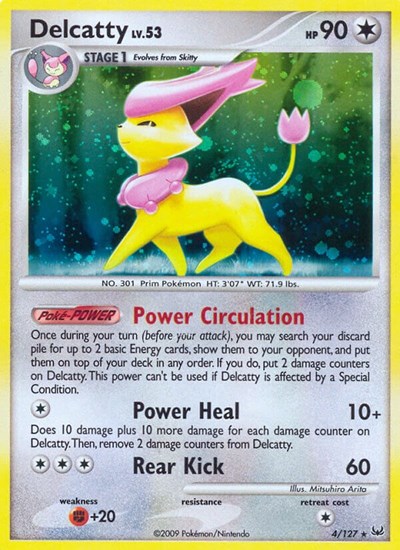
Delcatty
Holo Rare$13.21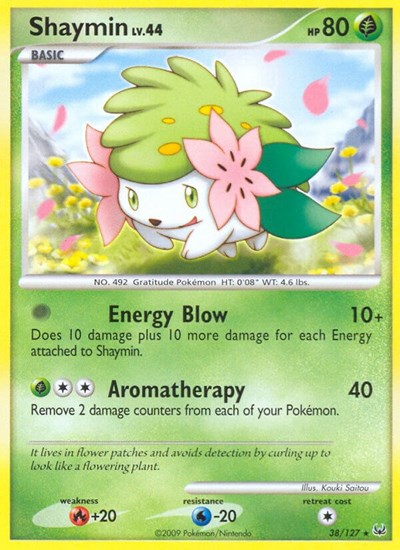
Shaymin (38)
Rare$12.76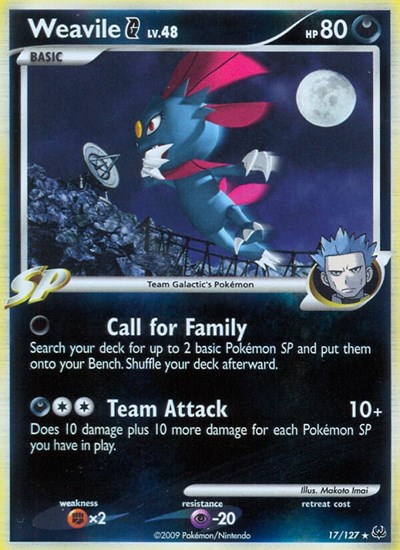
Weavile G
Holo Rare$12.38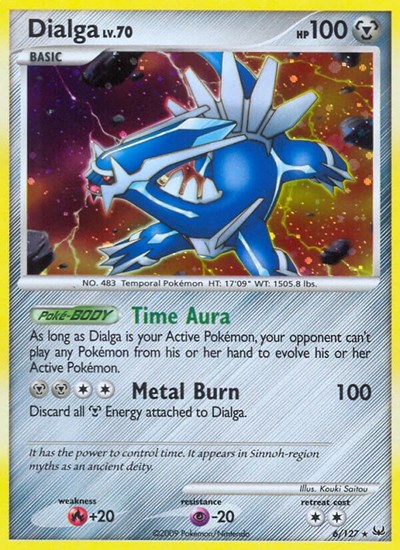
Dialga (6)
Holo Rare$11.96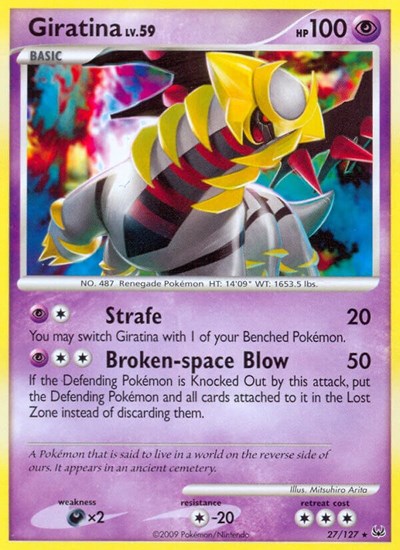
Giratina (27)
Rare$11.59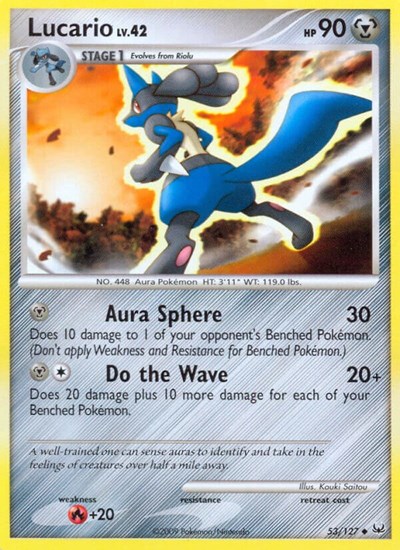
Lucario
Uncommon$11.16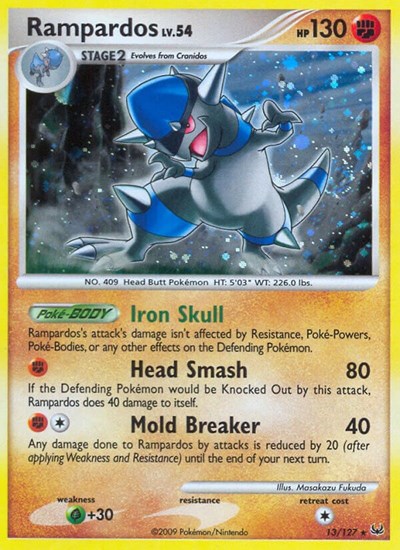
Rampardos
Holo Rare$11.09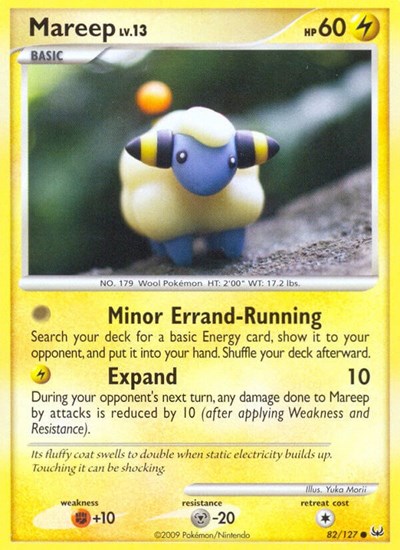
Mareep
Common$10.66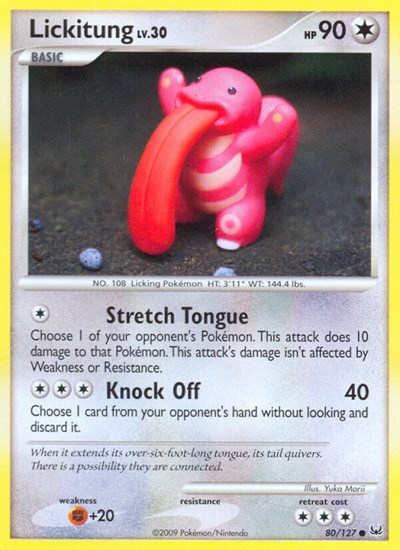
Lickitung
Common$10.26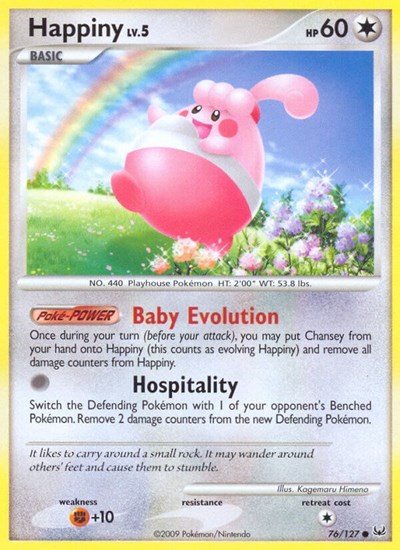
Happiny
Common$10.08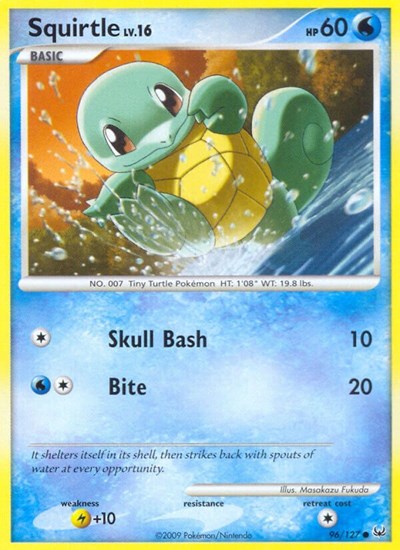
Squirtle
Common$9.26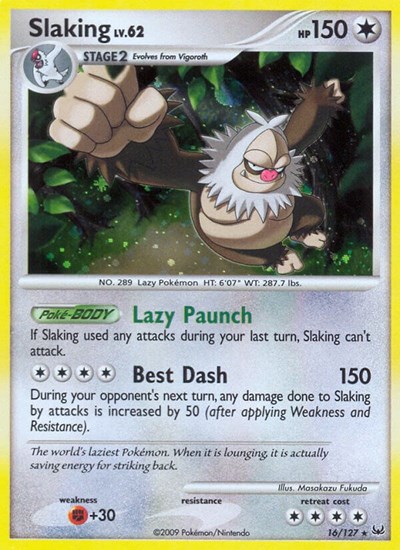
Slaking
Holo Rare$8.19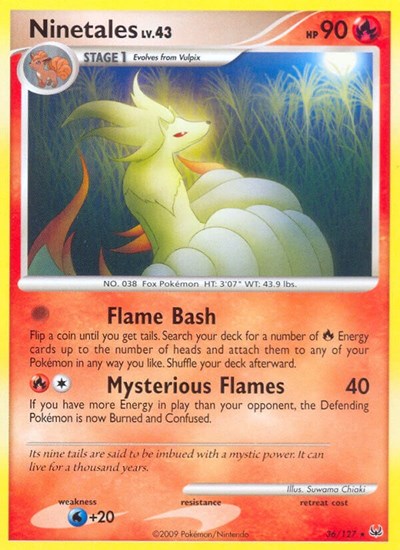
Ninetales
Rare$8.12
In the set
133 singles tracked
- Uncommon42 · 32%
- Common39 · 29%
- Rare23 · 17%
- Holo Rare17 · 13%
- Ultra Rare6 · 5%
- Shiny Holo Rare3 · 2%
- Secret Rare3 · 2%
How to read the set index
- What is the typical single?
- The median fair value of the set's Near Mint English singles — the price in the middle, so one chase card can't drag it up. Fair value comes from real sales only; the marketplace's Market Price is shown on card pages but never counted.
- What does the index line show?
- The Set Value Index: one Near Mint copy of every printing at fair value, compared week to week on the same printings, so it moves with the set's value — the chase cards most. It starts at 100; the 90-day figure is that line over the last quarter. Beside it, the typical card (every card counted the same, chases left out) and the chases on their own.
- How is popularity scored?
- Out of 100, against the rest of the game: how much the set's cards sell for, how many of them sell each week, how many cards it holds and how its index has moved. It ranks sets; it isn't a price.