
LOD · Yu-Gi-Oh!
Legacy of Darkness
102 cards, led by Luster Dragon #2 at $95.74.
Released Dec 1, 2017
Set index · LOD
92.70
−7.30 (−7.30%)1Y
- 1W
- −0.24%
- 1Y
- −7.30%
52W low 92.70high 100.00


The 5 most valuable · $9.43 – $95.74
- Cards
- 102
- Priced printings
- 203
- Sales a week
- 56
- Typical single, Near Mint
- $0.50
- Popularity
- 70/100
- Standing
- #93
The index
A score that starts at 100 and moves with the set's fair value, compared on the same printings week to week.
One Near Mint copy of every printing at fair value; the chase cards move it most.
Master set value
one of every printing · fair value · Nov 2, 2026
- NM
- $929.47
- 203 of 203 priced · 96% from sales
- LP
- $650.31
- 203 of 203 priced · 98% from sales
- MP
- $450.67
- 203 of 203 priced · 96% from sales
- HP
- $312.77
- 203 of 203 priced · 83% from sales
- DMG
- $248.70
- 203 of 203 priced · 57% from sales
Near Mint was $931.55 on Nov 1, 2026 (-0.2%). Totals move when printings are added or first priced; the index above doesn't.
Sealed
Every way Legacy of Darkness was sold, priced.
6 products
Booster Box
Legacy of Darkness Booster Box [1st Edition North American English]
- Market Price
- $1,500.00
- MSRP
- —
Booster Box
Booster Box [Unlimited Edition North American English]
- Market Price
- —
- MSRP
- —
- Booster Box
Booster Box
Booster Box [Unlimited Edition Worldwide English]
- Market Price
- —
- MSRP
- —
- Booster Pack
Booster Pack
Booster Pack [Unlimited Edition North American English]
- Market Price
- —
- MSRP
- —
- Booster Pack
Booster Pack
Booster Pack [Unlimited Edition Worldwide English]
- Market Price
- —
- MSRP
- —
Cards
102 of 102 valued in Near Mint

Luster Dragon #2
Super Rare$95.74
Yata-Garasu
Secret Rare$35.43
Injection Fairy Lily
Secret Rare$24.07
Royal Oppression
Rare$17.92
Airknight Parshath
Ultra Rare$11.39
Tyrant Dragon
Ultra Rare$10.34
Yamata Dragon
Ultra Rare$9.90
Creature Swap
Ultra Rare$9.82
Fiber Jar
Ultra Rare$9.69
Last Turn
Ultra Rare$9.43
Dark Balter the Terrible
Super Rare$9.04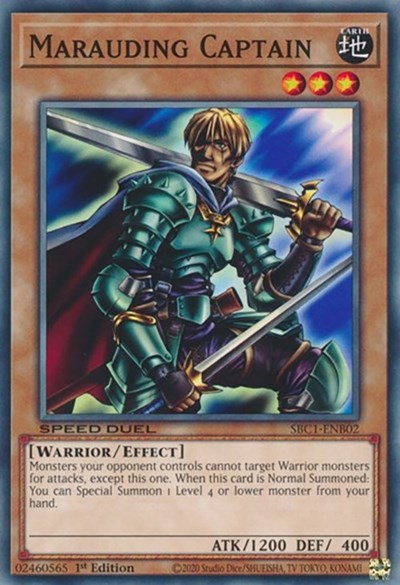
Marauding Captain
Ultra Rare$8.72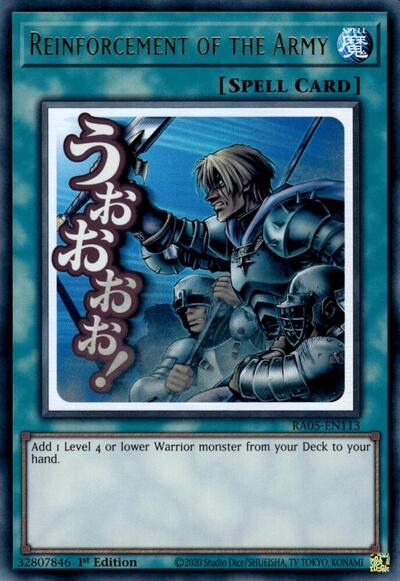
Reinforcement of the Army
Super Rare$7.96
Hino-Kagu-Tsuchi
Ultra Rare$7.82
Ryu Senshi
Super Rare$7.40
Asura Priest
Super Rare$6.56
Dark Ruler Ha Des
Ultra Rare$4.82
Exiled Force
Super Rare$4.79
Drop Off
Super Rare$4.63
Fiend Skull Dragon
Super Rare$4.62
Luster Dragon
Super Rare$4.52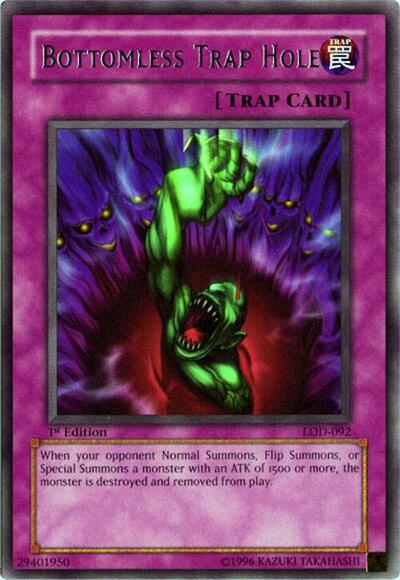
Bottomless Trap Hole
Rare$3.63
Freed the Matchless General
Ultra Rare$3.17
Spear Dragon
Super Rare$2.69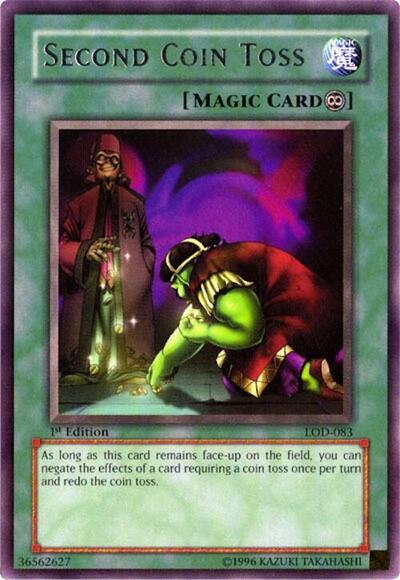
Second Coin Toss
Rare$2.47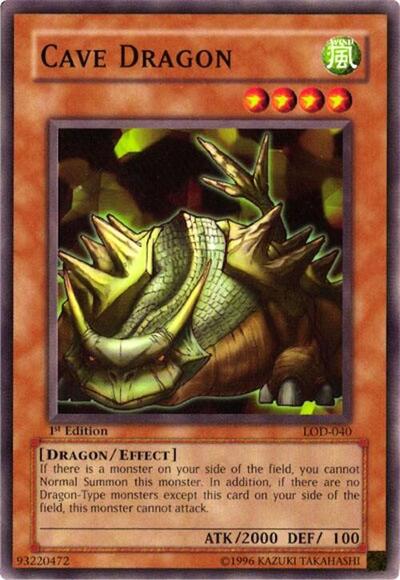
Cave Dragon
Common$1.68
Twin-Headed Behemoth
Super Rare$1.47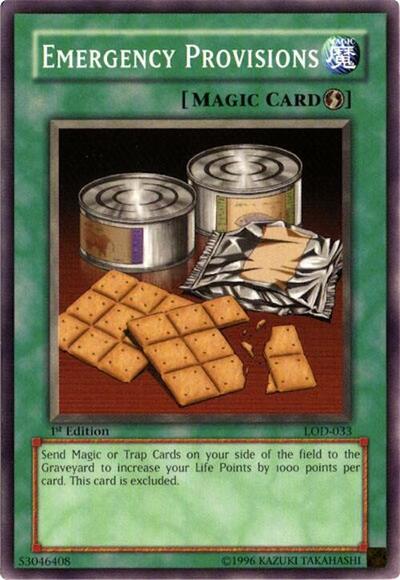
Emergency Provisions
Common$1.21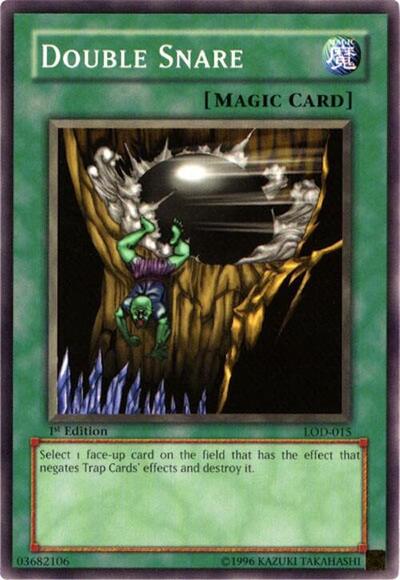
Double Snare
Common$1.16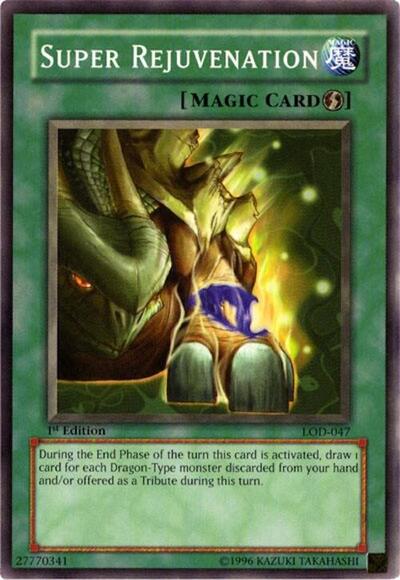
Super Rejuvenation
Common$1.05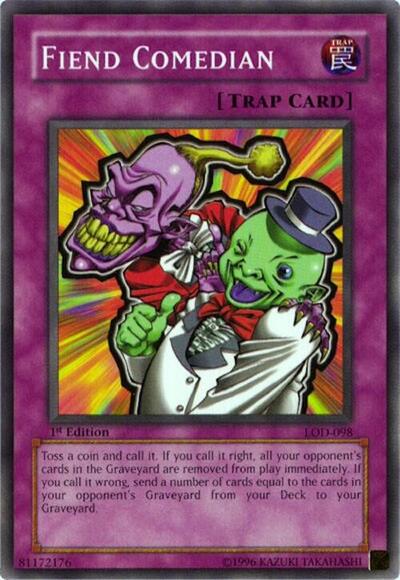
Fiend Comedian
Common$0.88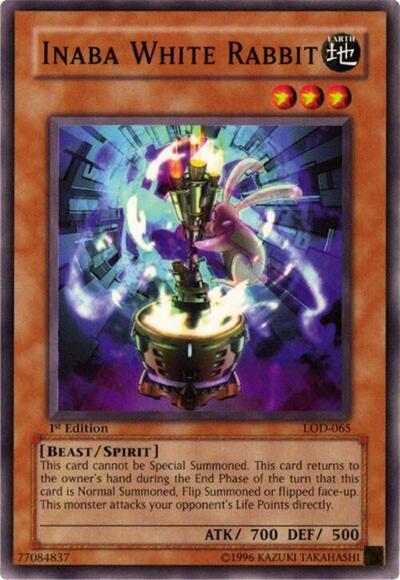
Inaba White Rabbit
Common$0.76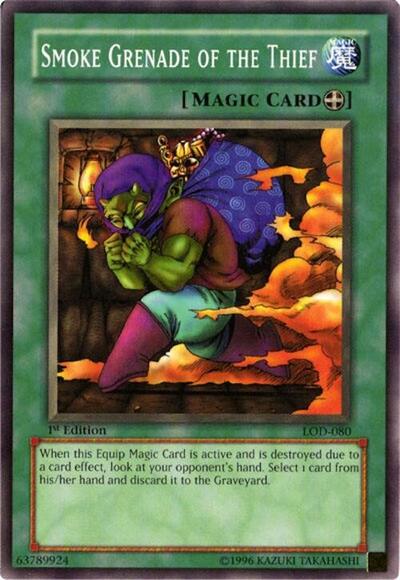
Smoke Grenade of the Thief
Common$0.76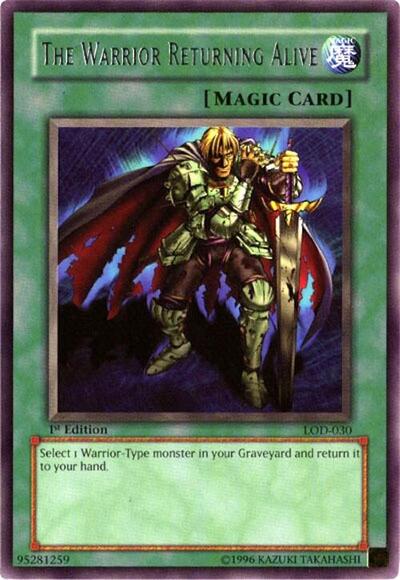
The Warrior Returning Alive
Rare$0.75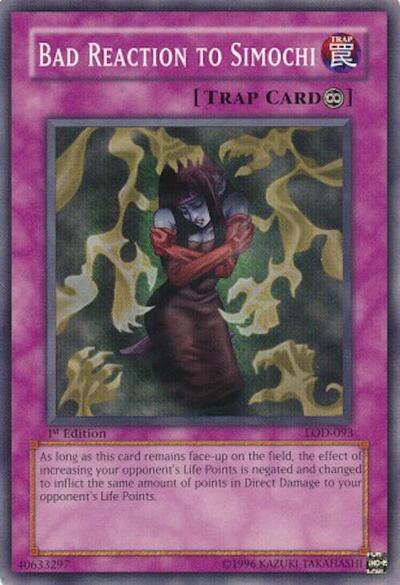
Bad Reaction to Simochi
Common$0.60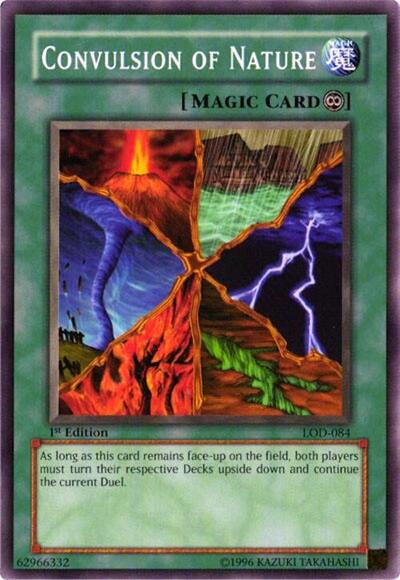
Convulsion of Nature
Common$0.58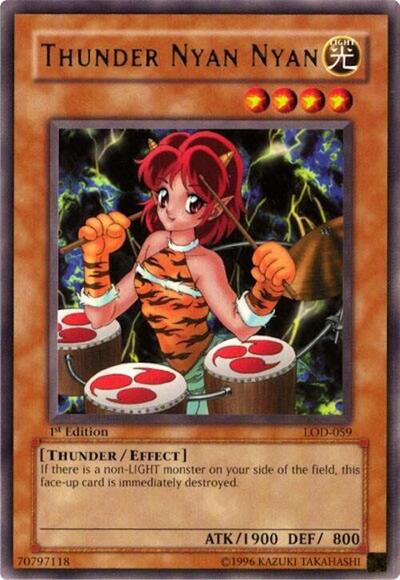
Thunder Nyan Nyan
Rare$0.57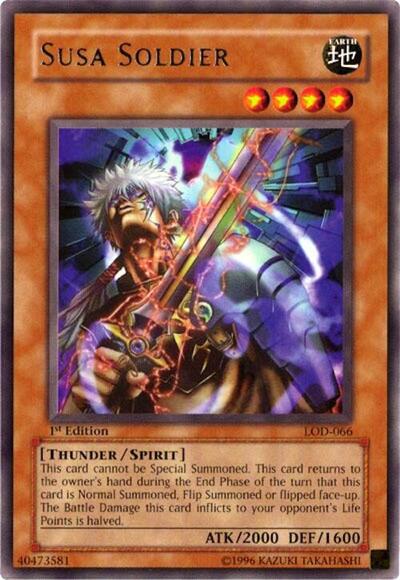
Susa Soldier
Rare$0.56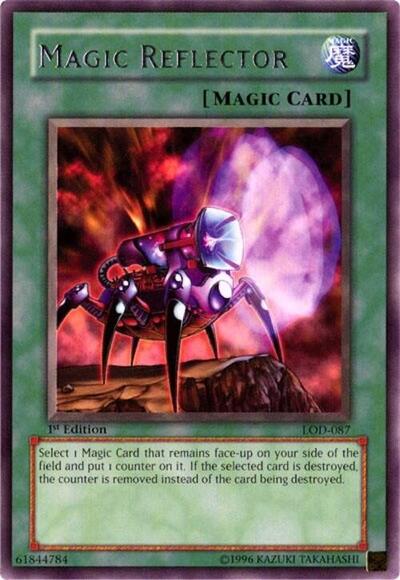
Magic Reflector
Rare$0.56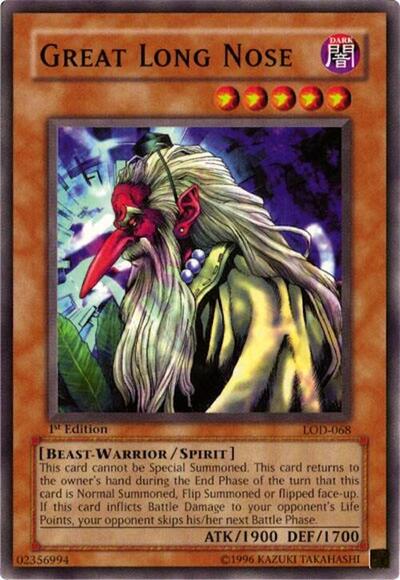
Great Long Nose
Common$0.55
In the set
102 singles tracked
- Common62 · 61%
- Rare17 · 17%
- Super Rare11 · 11%
- Ultra Rare10 · 10%
- Secret Rare2 · 2%
How to read the set index
- What is the typical single?
- The median fair value of the set's Near Mint English singles — the price in the middle, so one chase card can't drag it up. Fair value comes from real sales only; the marketplace's Market Price is shown on card pages but never counted.
- What does the index line show?
- The Set Value Index: one Near Mint copy of every printing at fair value, compared week to week on the same printings, so it moves with the set's value — the chase cards most. It starts at 100; the 90-day figure is that line over the last quarter. Beside it, the typical card (every card counted the same, chases left out) and the chases on their own.
- How is popularity scored?
- Out of 100, against the rest of the game: how much the set's cards sell for, how many of them sell each week, how many cards it holds and how its index has moved. It ranks sets; it isn't a price.