
Display
Starter Deck 28: GREEN/YELLOW Yamato Display
- Market Price
- $236.64
- MSRP
- —
Inside
6×Starter Deck 28: GREEN/YELLOW Yamato
ST-28 · One Piece Card Game
15 cards, led by Yamato (OP06-022) at $2.19.
Released Jun 6, 2025
Set index · ST-28
100.00
0.00 (0.00%)1Y
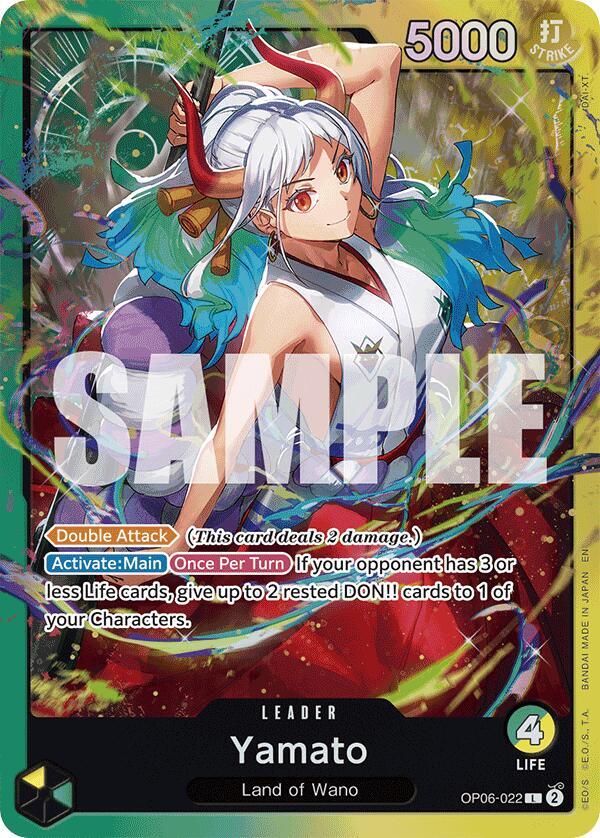

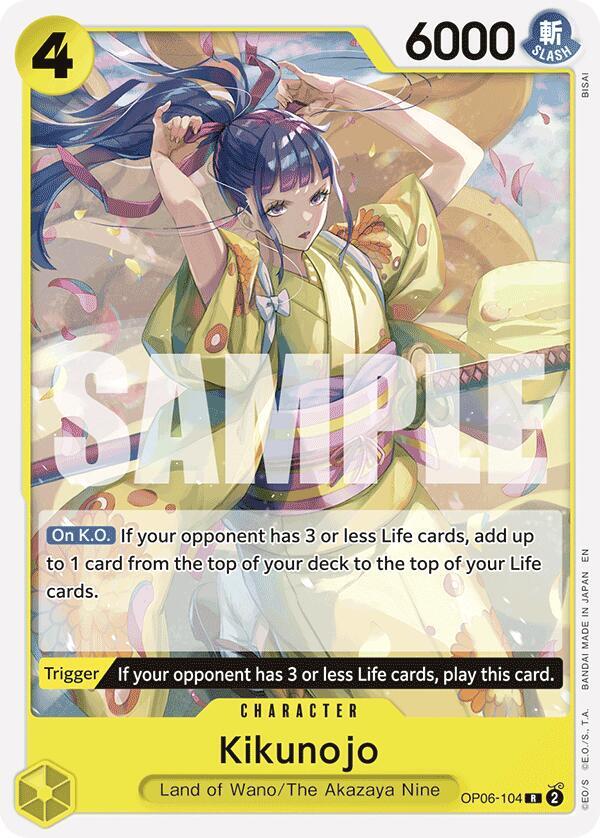
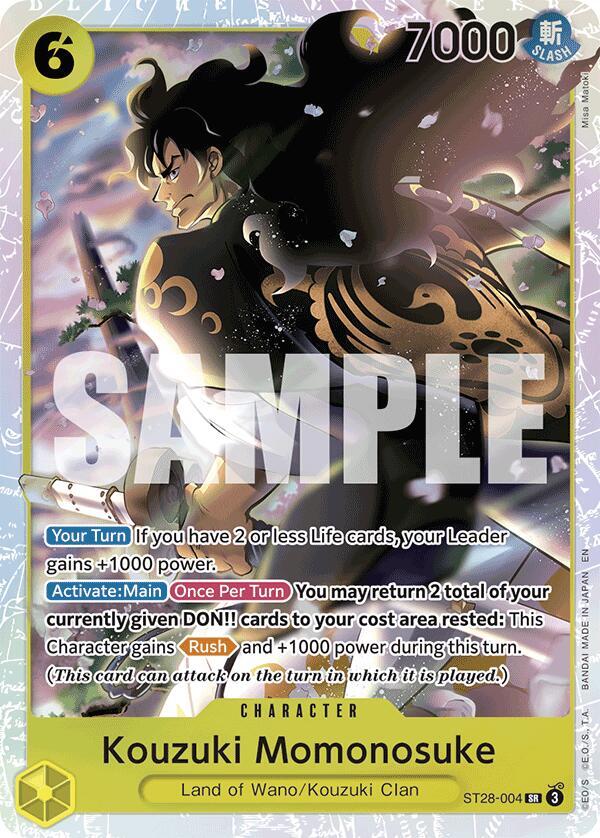
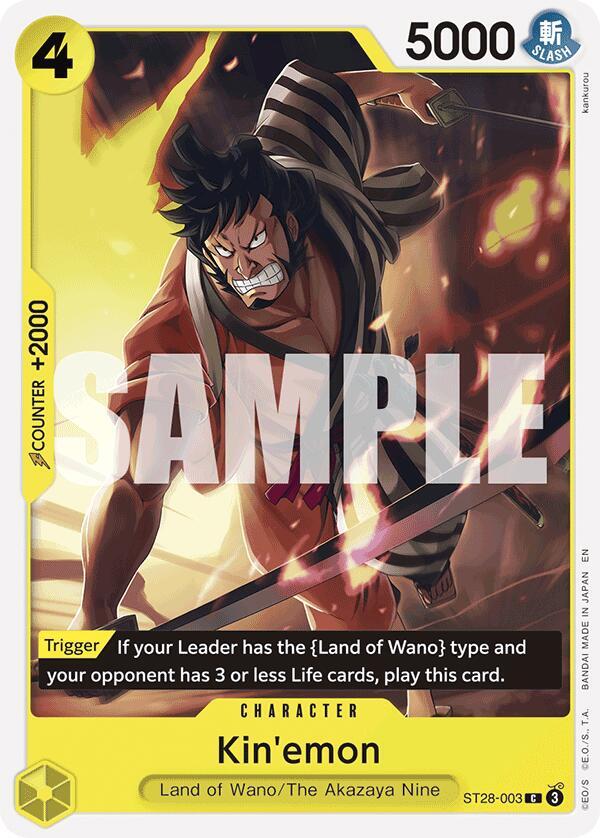
The 5 most valuable · $0.47 – $2.19
A score that starts at 100 and moves with the set's fair value, compared on the same printings week to week.
One Near Mint copy of every printing at fair value; the chase cards move it most.
one of every printing · fair value · Nov 2, 2026
Near Mint was $6.27 on Nov 1, 2026 (+1.1%). Totals move when printings are added or first priced; the index above doesn't.
Every way ST-28: Starter Deck 28 GREEN/YELLOW Yamato was sold, priced.
2 products
Display
Inside
Starter Deck
Starter Deck 28: GREEN/YELLOW Yamato
$42.64 per pack
Inside
* Standard MSRP for that product type, or a bundle's count × that price.
15 of 15 valued in Near Mint
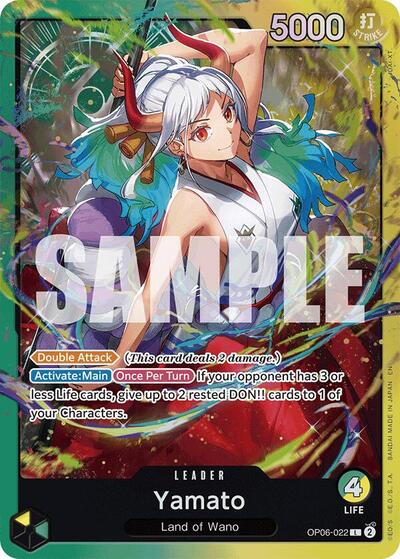
Yamato (OP06-022)
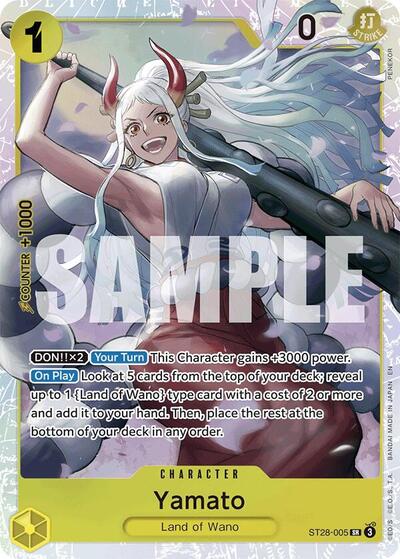
Yamato
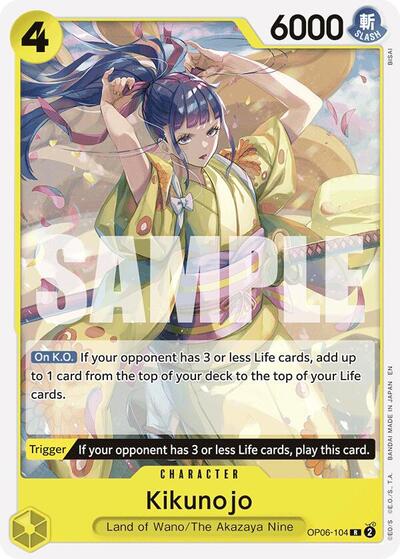
Kikunojo (Reprint)
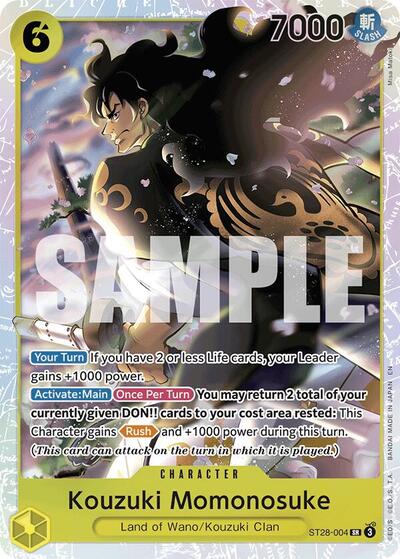
Kouzuki Momonosuke
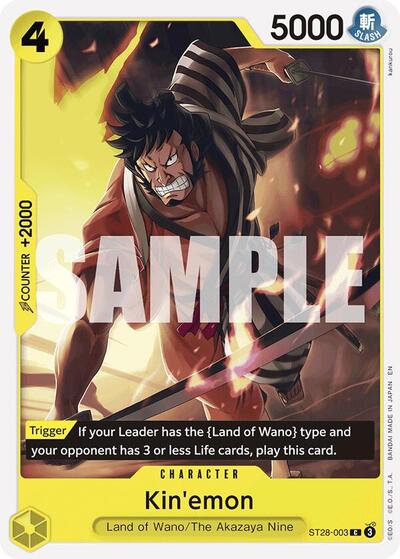
Kin'emon
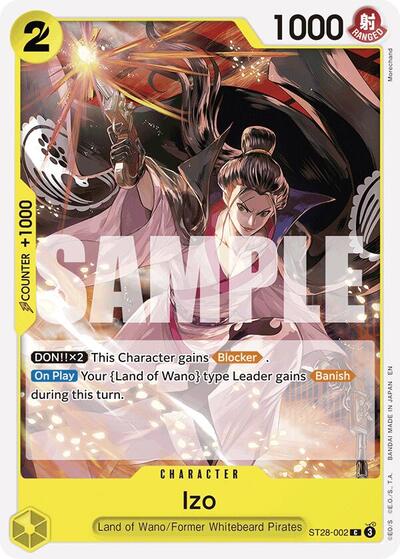
Izo
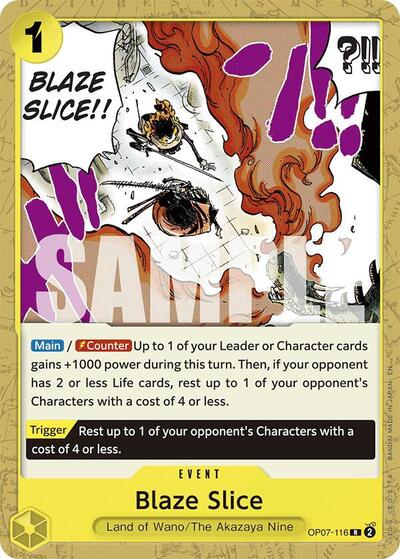
Blaze Slice (Reprint)
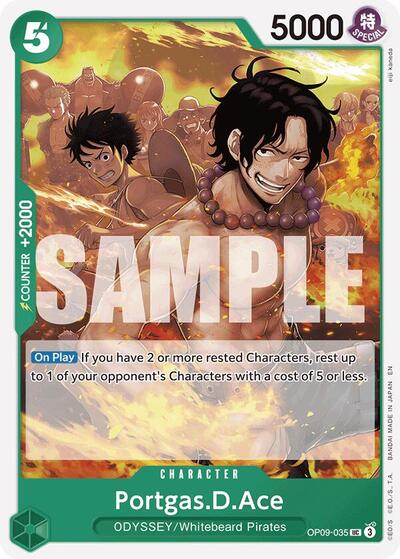
Portgas.D.Ace (Reprint)
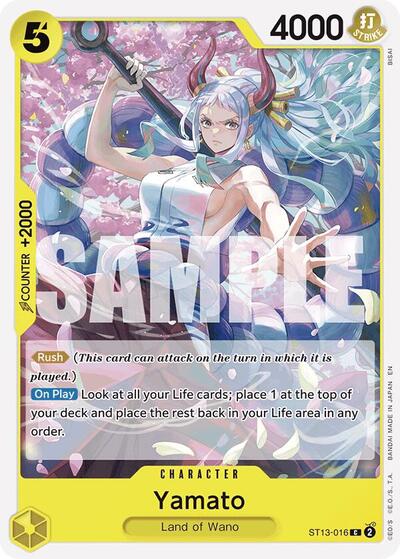
Yamato (Reprint)
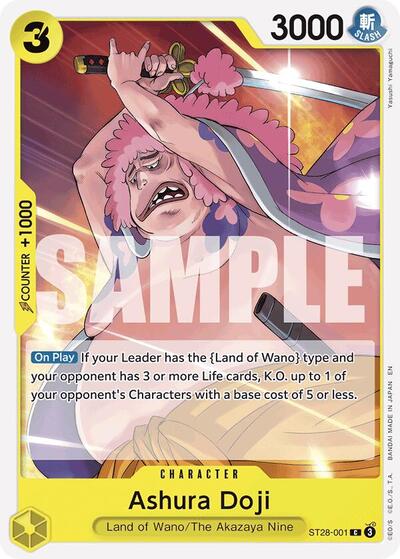
Ashura Doji
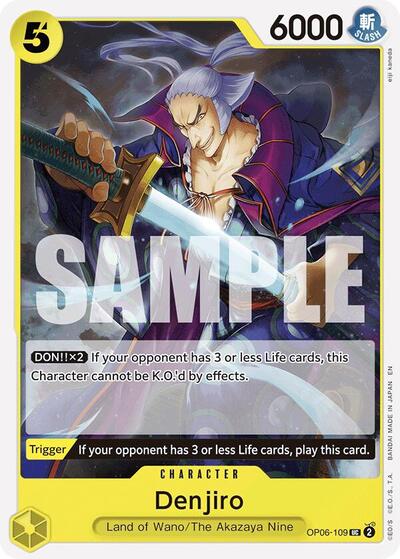
Denjiro (Reprint)
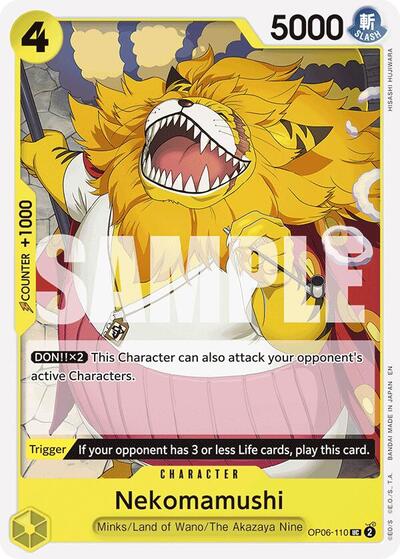
Nekomamushi (Reprint)
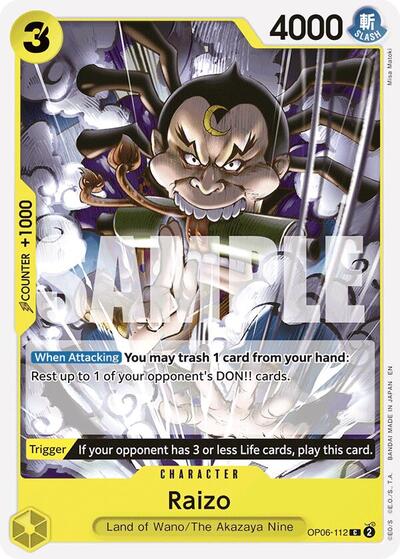
Raizo (Reprint)
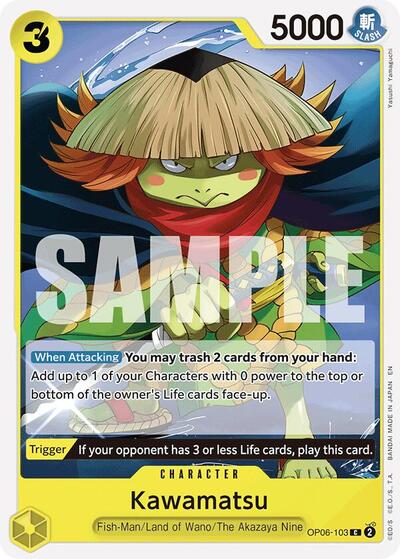
Kawamatsu (Reprint)
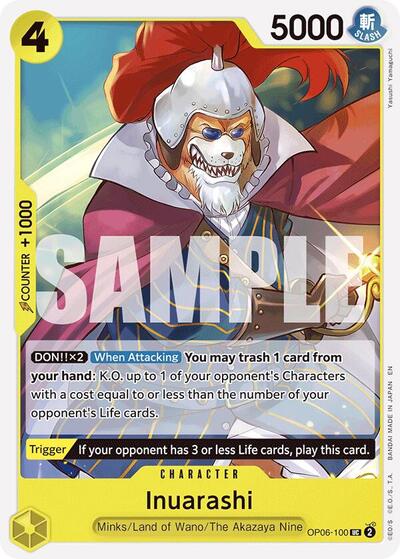
Inuarashi (Reprint)
15 singles tracked