
Other
Legendary Dragon Decks Collector's Set (2020 Date Reprint)
- Market Price
- $59.40
- MSRP
- —
What's inside
Inside
- 1×51-card Deck: "Legendary Dragon" archetype
- 1×51-card Deck: Zane Truesdale "Cyber Dragon"
- 1×51-card Deck: Yuya Sakaki "Odd-Eyes"
LEDD-23984 · Yu-Gi-Oh!
115 cards, led by The Eye of Timaeus at $3.59.
Released Nov 1, 2026
Set index · LEDD-23984
101.05
+1.05 (+1.05%)1Y


The 5 most valuable · $2.54 – $3.59
A score that starts at 100 and moves with the set's fair value, compared on the same printings week to week.
One Near Mint copy of every printing at fair value; the chase cards move it most.
one of every printing · fair value · Nov 1, 2026
Every way Legendary Dragon Decks (2020 Date Reprint) was sold, priced.
1 product
Other
Legendary Dragon Decks Collector's Set (2020 Date Reprint)
Inside
115 of 115 valued in Near Mint
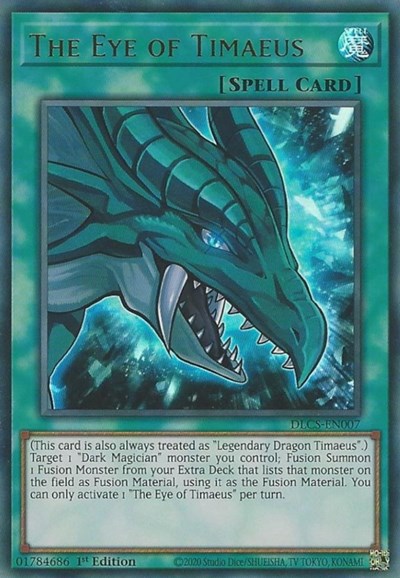
The Eye of Timaeus

Dark Magician Girl the Dragon Knight

Chimeratech Fortress Dragon
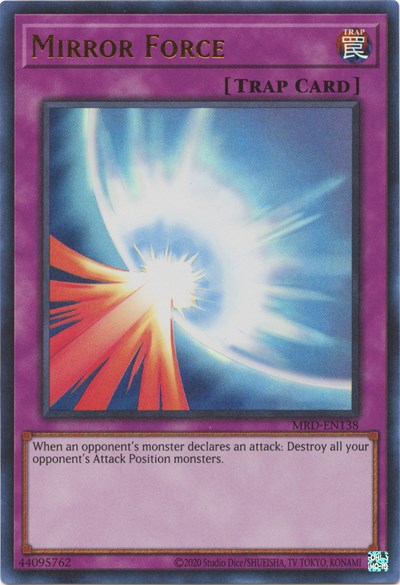
Mirror Force

Cyber Dragon Nova
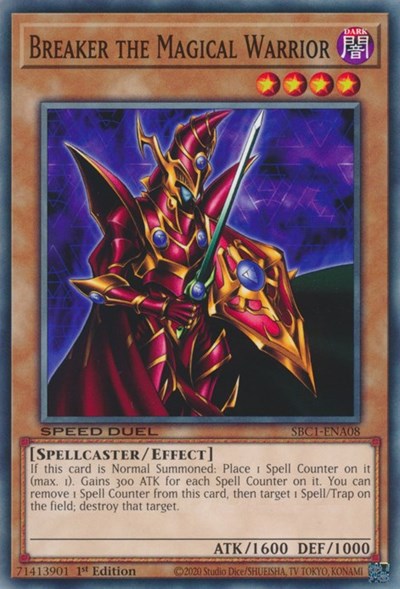
Breaker the Magical Warrior

Machina Fortress
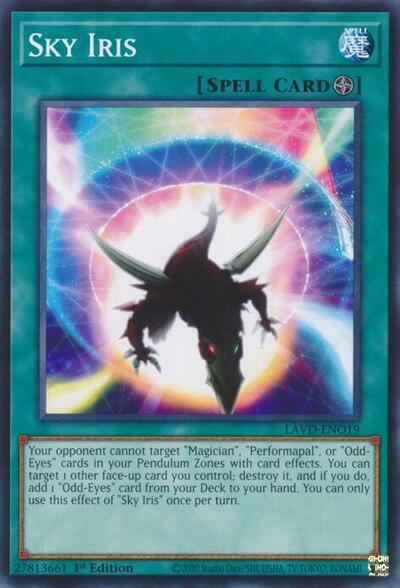
Sky Iris

The Claw of Hermos
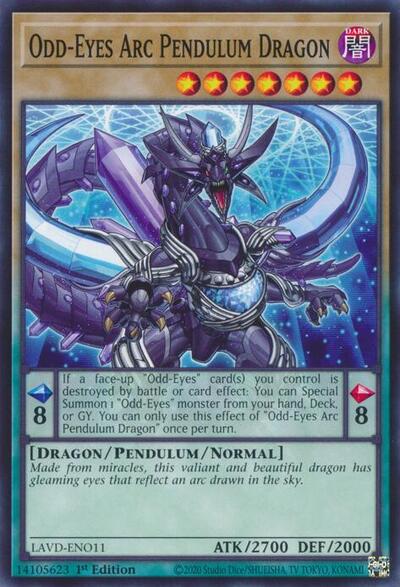
Odd-Eyes Arc Pendulum Dragon

Dark Magician the Dragon Knight

Clear Wing Synchro Dragon

Dark Renewal

Dark Magician

Dark Rebellion Xyz Dragon

Dark Paladin

Odd-Eyes Absolute Dragon

Magician's Rod
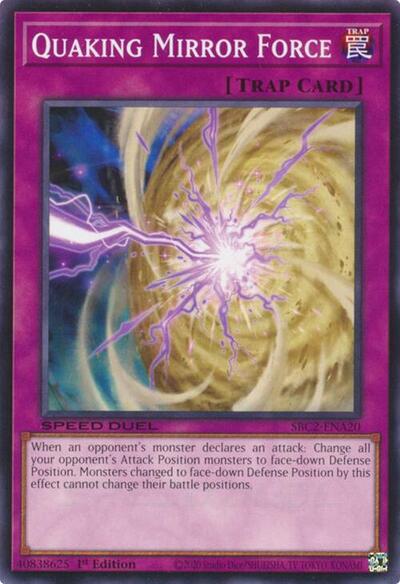
Quaking Mirror Force

Odd-Eyes Gravity Dragon
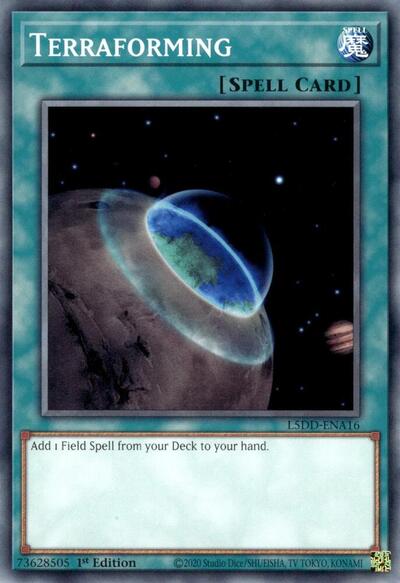
Terraforming

Reinforcement of the Army
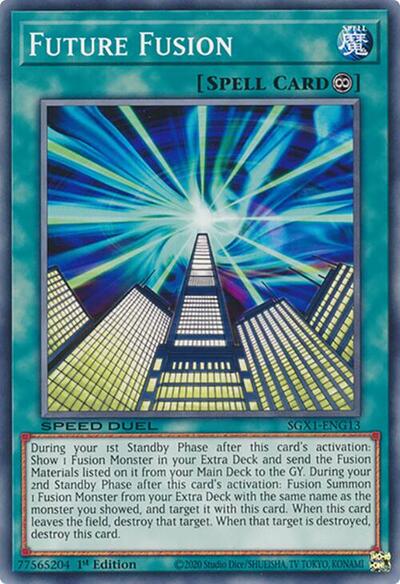
Future Fusion

Drowning Mirror Force

Thousand Knives

Supreme King Dragon Dark Rebellion

Time Magic Hammer
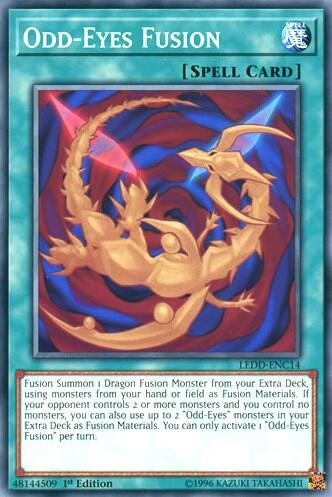
Odd-Eyes Fusion
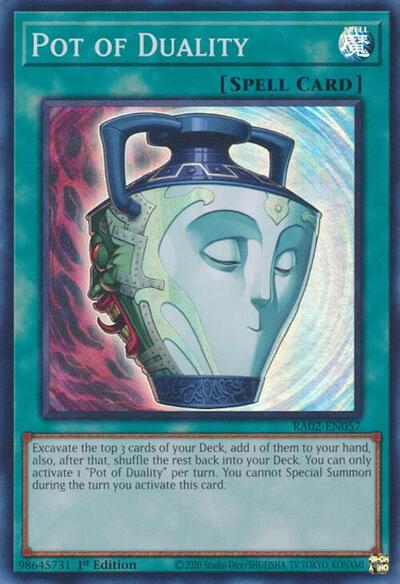
Pot of Duality
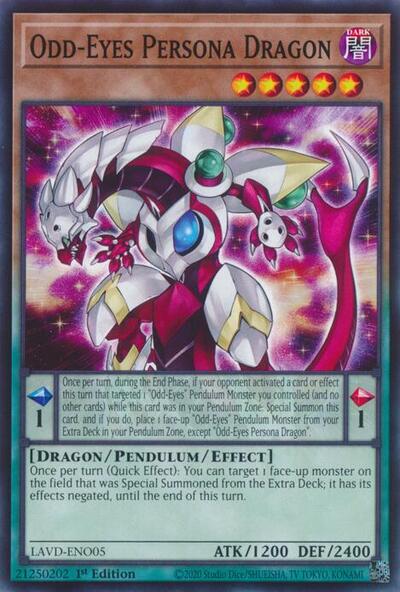
Odd-Eyes Persona Dragon

Supreme King Dragon Starving Venom

Odd-Eyes Meteorburst Dragon
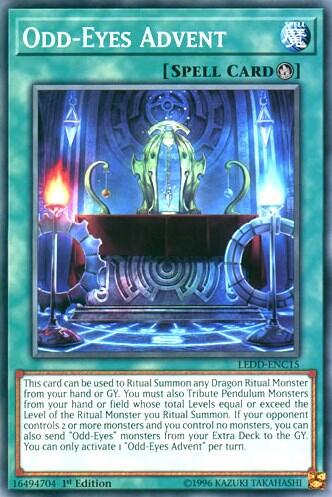
Odd-Eyes Advent
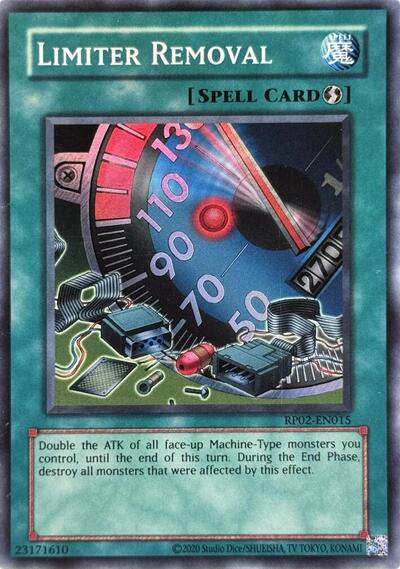
Limiter Removal

Starving Venom Fusion Dragon

Cyber Repair Plant
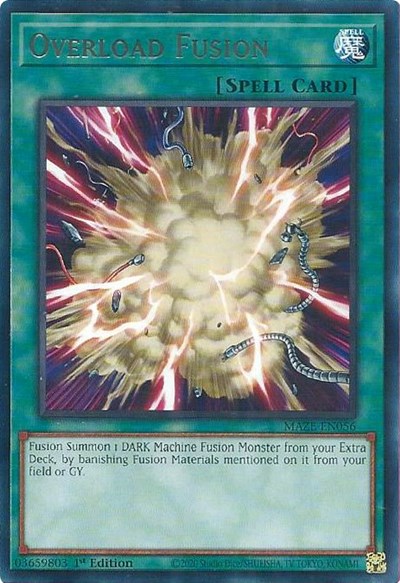
Overload Fusion

Dark Magician Girl

Odd-Eyes Mirage Dragon
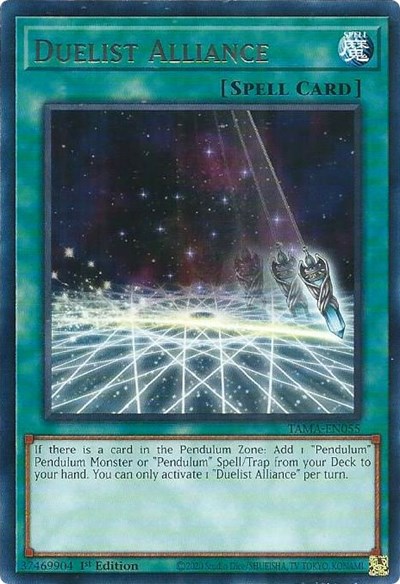
Duelist Alliance
115 singles tracked