
OP15 RE · One Piece Card Game
Adventure on Kami's Island Release Event Cards
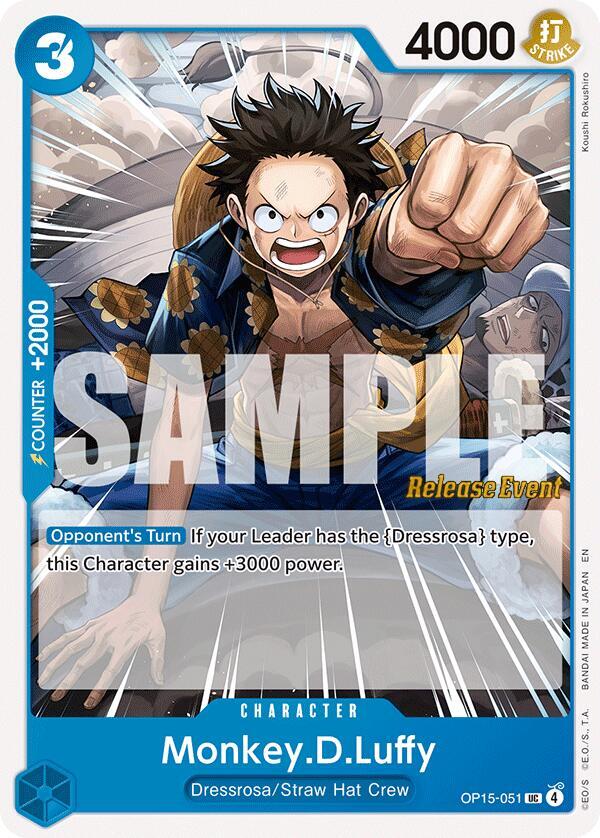
90 cards, led by Monkey.D.Luffy (OP15-051) at $28.20.
Released Mar 27, 2026
Set index · OP15 RE
83.41
−16.59 (−16.59%)1Y
- 1W
- +0.46%
- 1Y
- −16.59%
The 5 most valuable · $13.92 – $28.20
- Cards
- 90
- Priced printings
- 90
- Sales a week
- 46
- Typical single, Near Mint
- $1.22
- Popularity
- 69/100
- Standing
- #17
The index
A score that starts at 100 and moves with the set's fair value, compared on the same printings week to week.
One Near Mint copy of every printing at fair value; the chase cards move it most.
Master set value
one of every printing · fair value · Nov 2, 2026
- NM
- $305.02
- 90 of 90 priced · 100% from sales
- LP
- $269.31
- 90 of 90 priced · 100% from sales
- MP
- $238.07
- 90 of 90 priced · 98% from sales
- HP
- $204.13
- 90 of 90 priced · 46% from sales
- DMG
- $179.42
- 90 of 90 priced · 1% from sales
Near Mint was $301.62 on Nov 1, 2026 (+1.1%). Totals move when printings are added or first priced; the index above doesn't.
Cards
90 of 90 valued in Near Mint
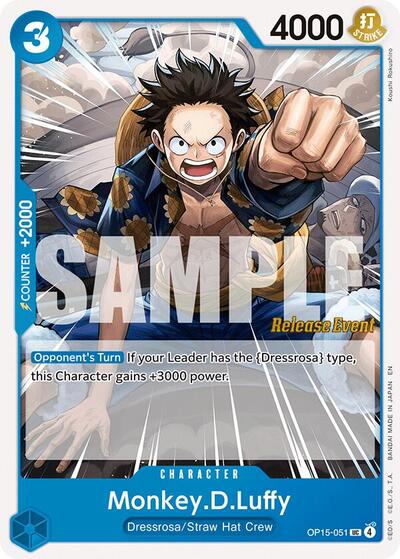
Monkey.D.Luffy (OP15-051)
UC$28.20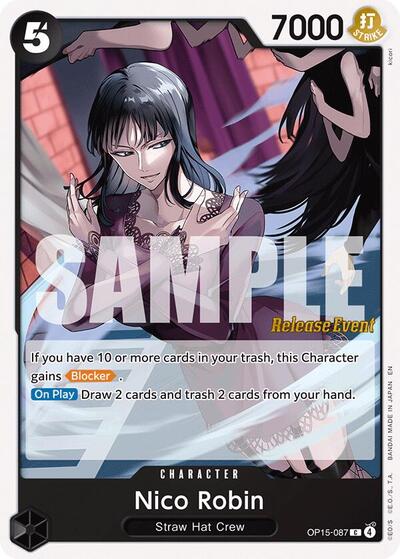
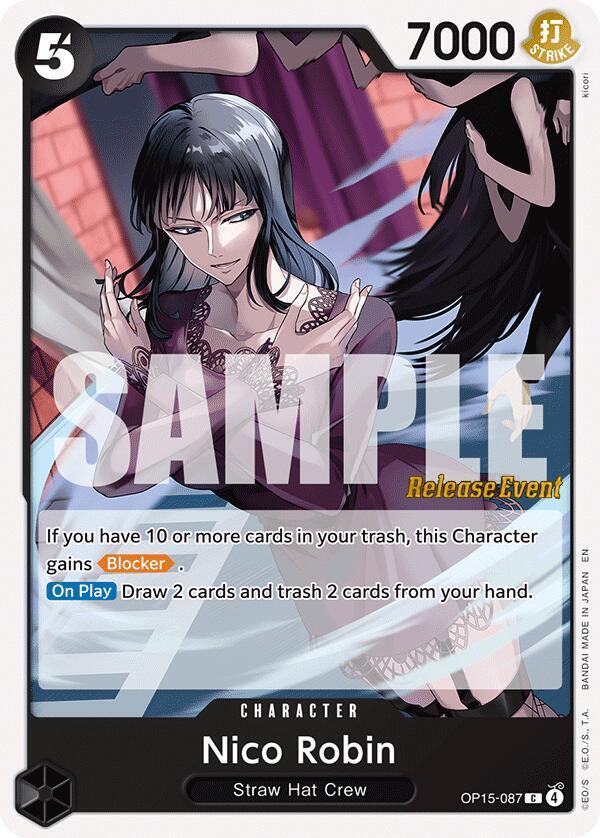
Nico Robin (OP15-087)
C$20.36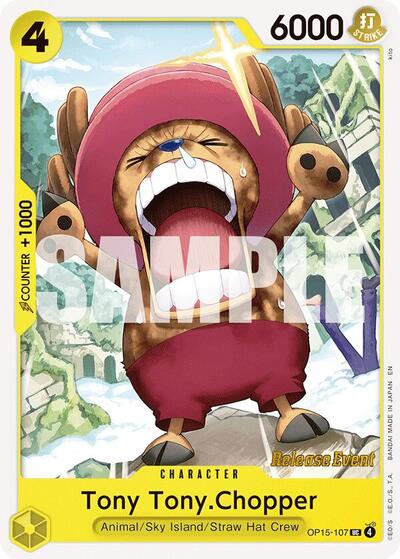
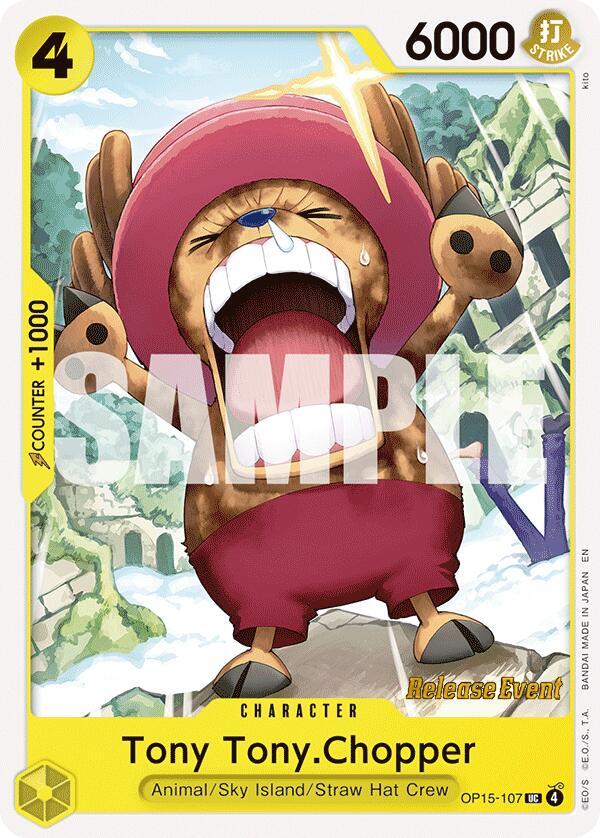
Tony Tony.Chopper (OP15-107)
UC$17.14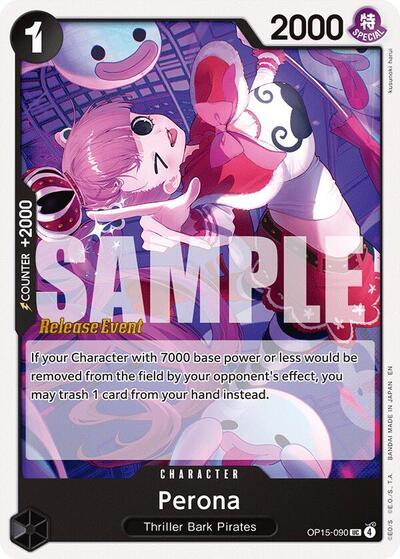
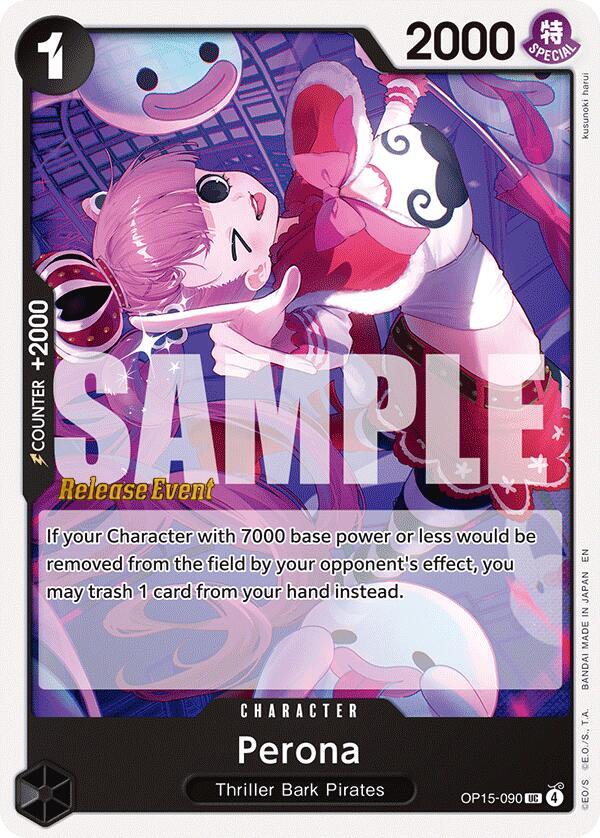
Perona
UC$17.04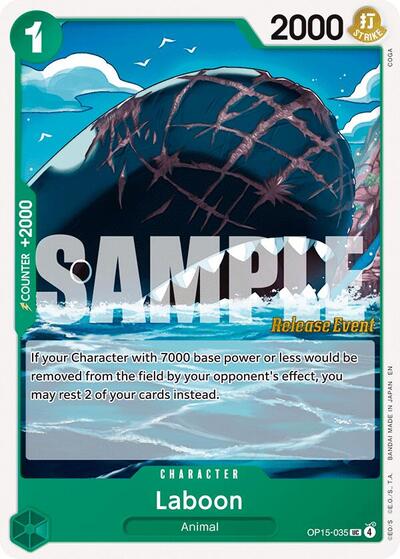
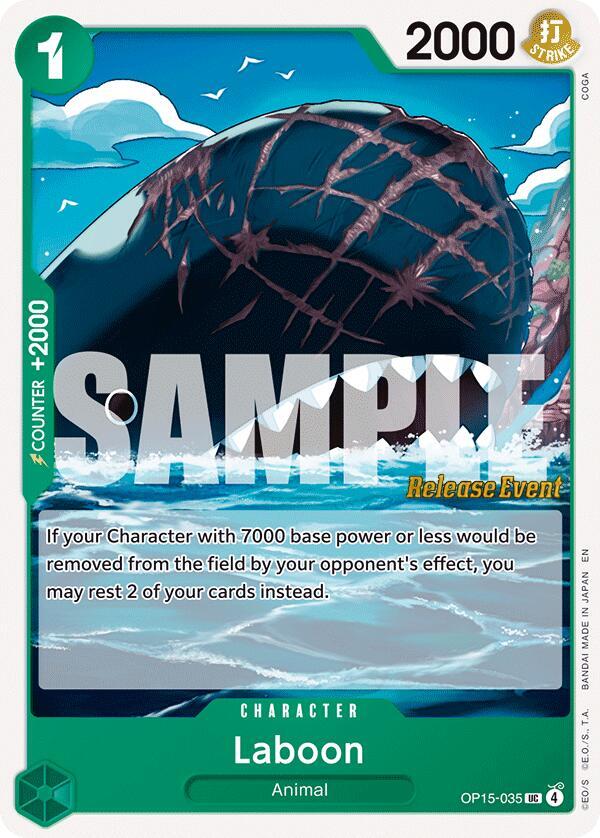
Laboon
UC$13.92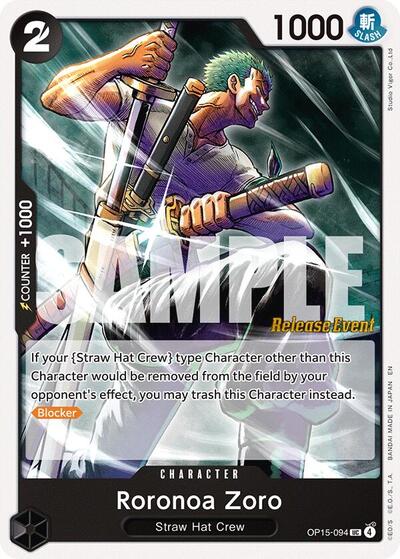
Roronoa Zoro (OP15-094)
UC$13.62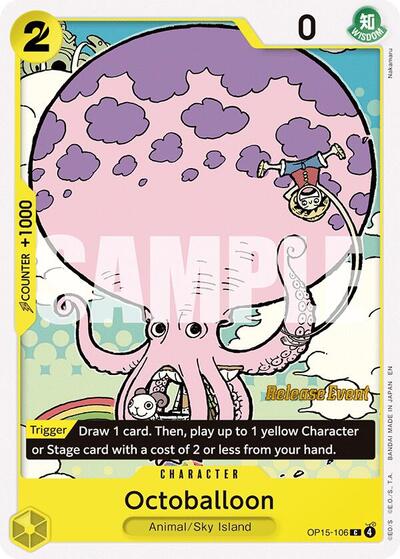
Octoballoon
C$13.35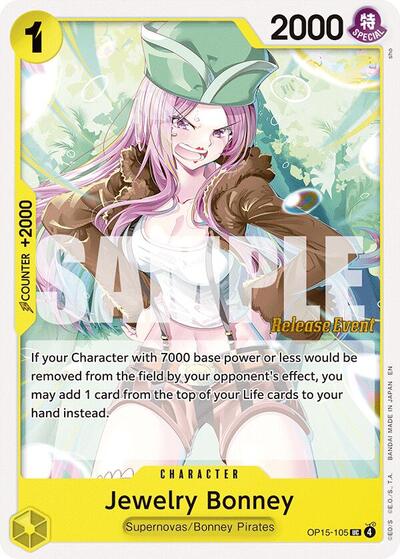
Jewelry Bonney (OP15-105)
UC$11.92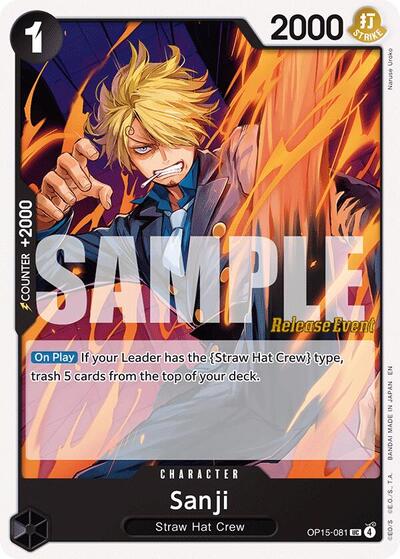
Sanji (OP15-081)
UC$9.18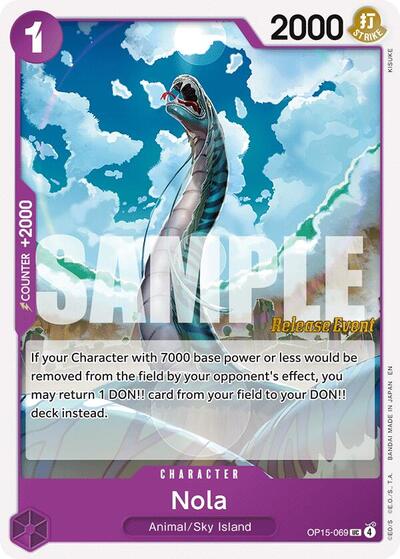
Nola
UC$9.12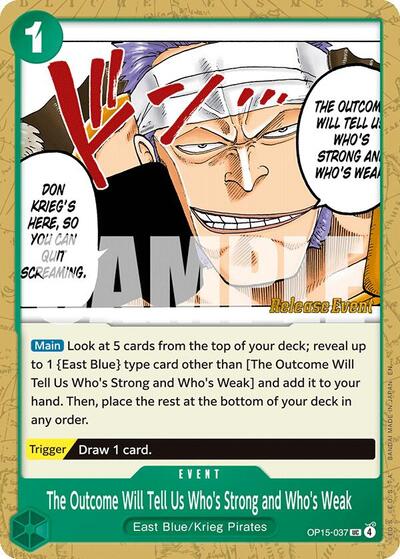
The Outcome Will Tell Us Who's Strong and Who's Weak
UC$9.08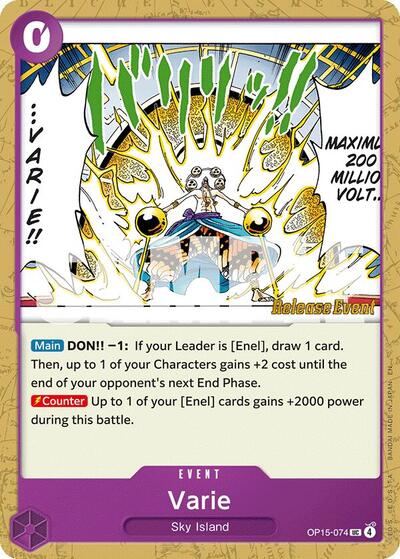
Varie
UC$9.01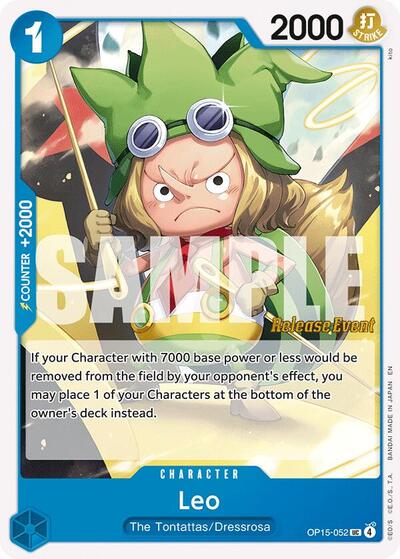
Leo
UC$8.89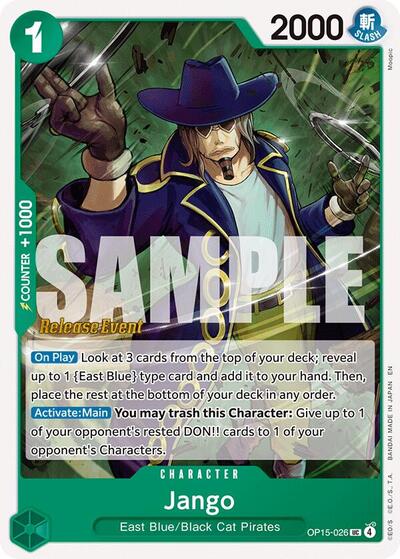
Jango
UC$8.78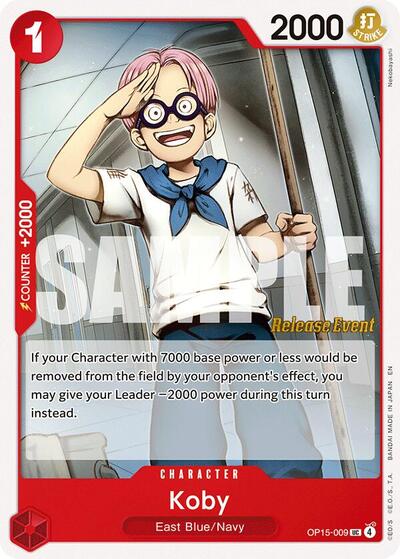
Koby (OP15-009)
UC$5.66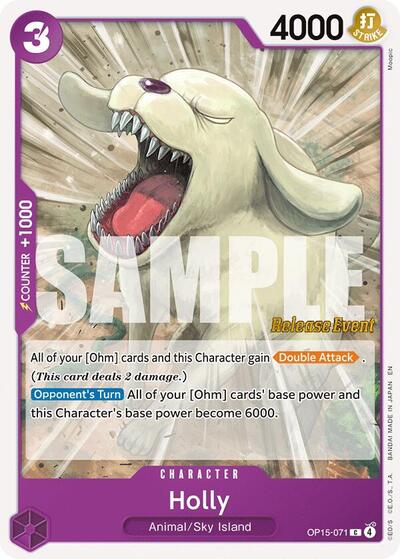
Holly
C$5.44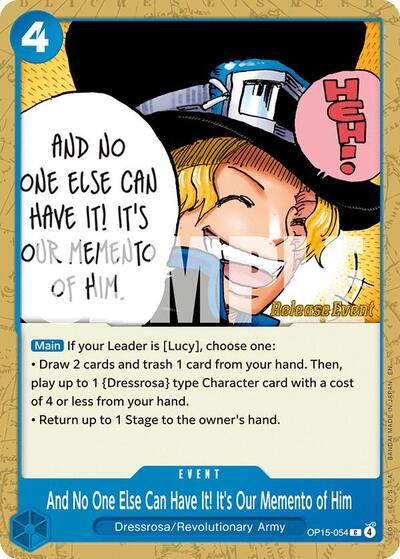
And No One Else Can Have It! It's Our Memento of Him
C$4.99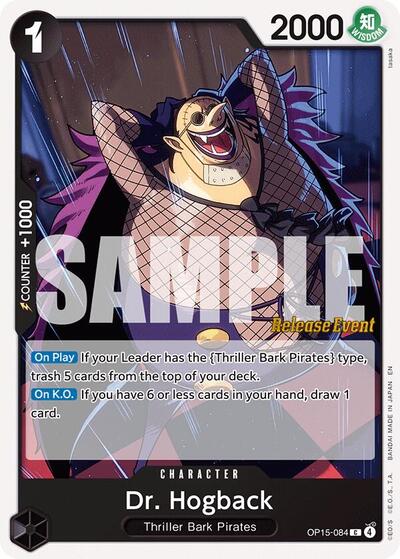
Dr. Hogback
C$4.99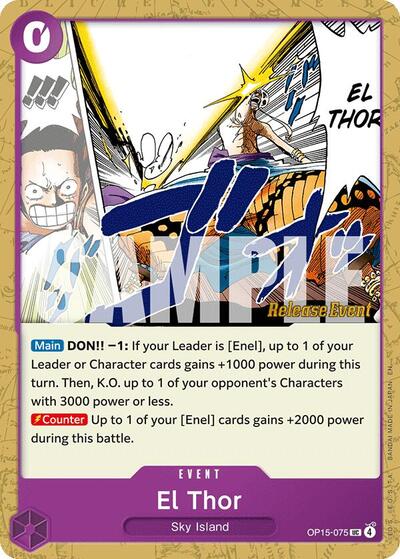
El Thor
UC$4.39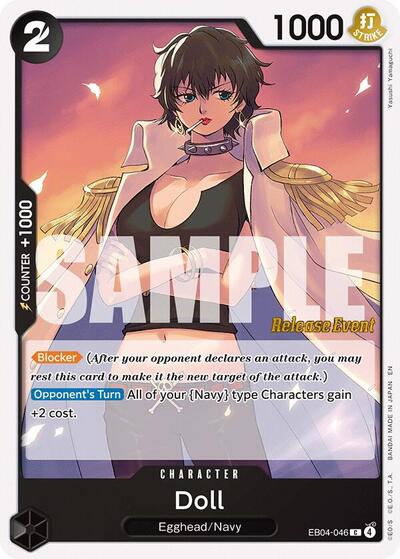
Doll
C$3.99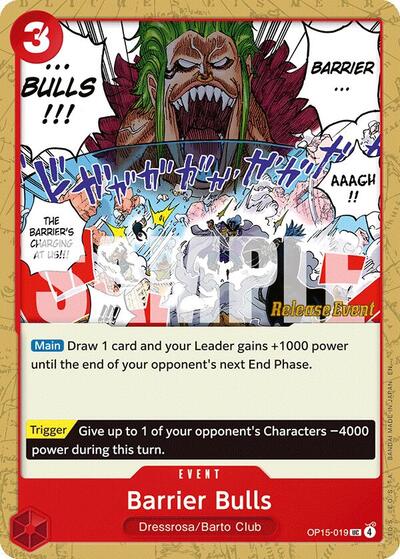
Barrier Bulls
UC$3.99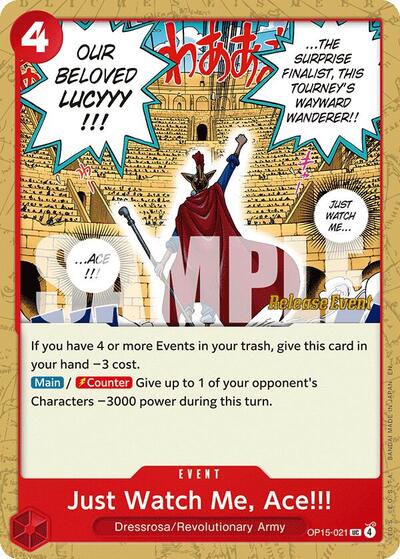
Just Watch Me, Ace!!!
UC$3.99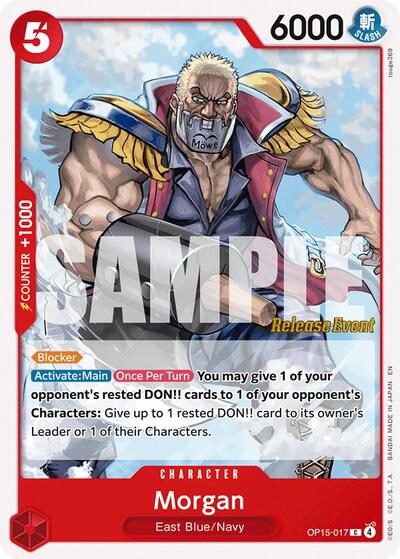
Morgan
C$3.83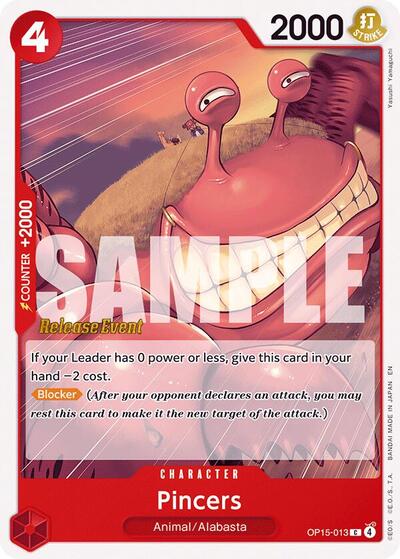
Pincers
C$3.49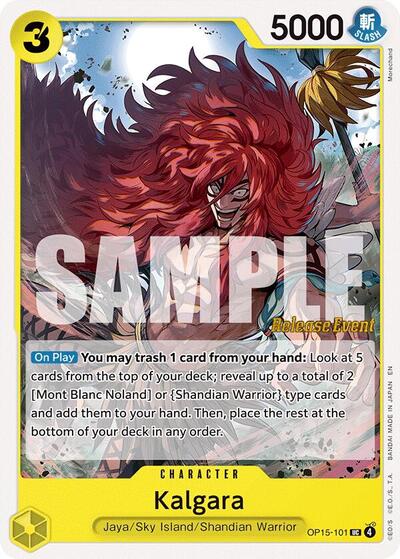
Kalgara
UC$3.00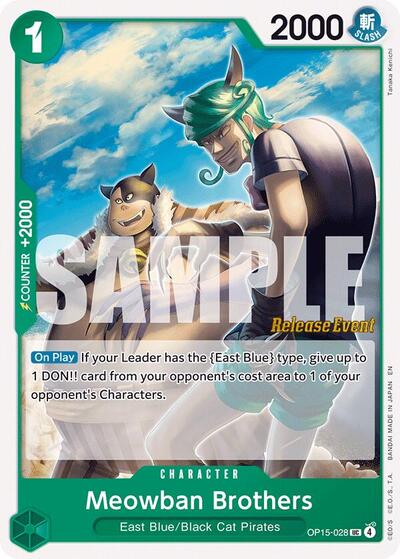
Meowban Brothers
UC$2.99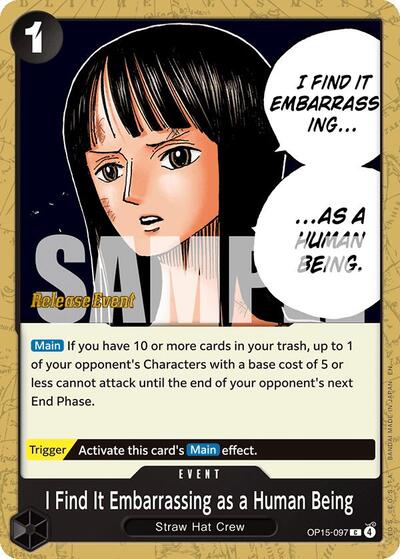
I Find It Embarrassing as a Human Being
C$2.96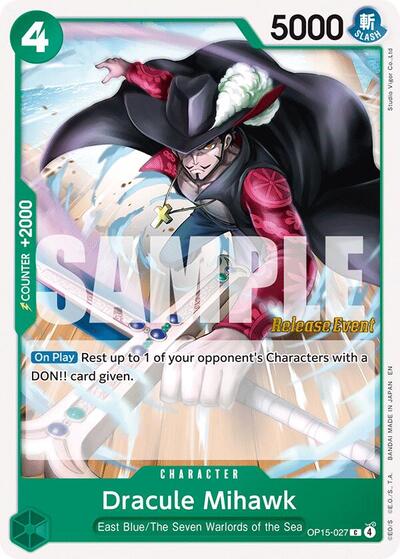
Dracule Mihawk
C$2.82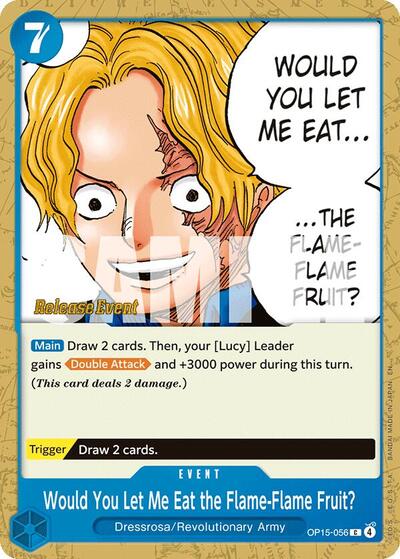
Would You Let Me Eat the Flame-Flame Fruit?
C$2.75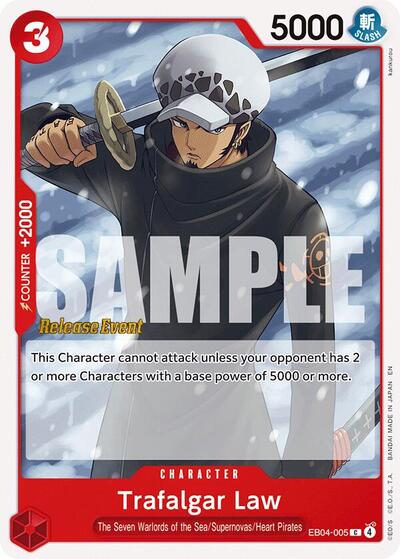
Trafalgar Law
C$2.73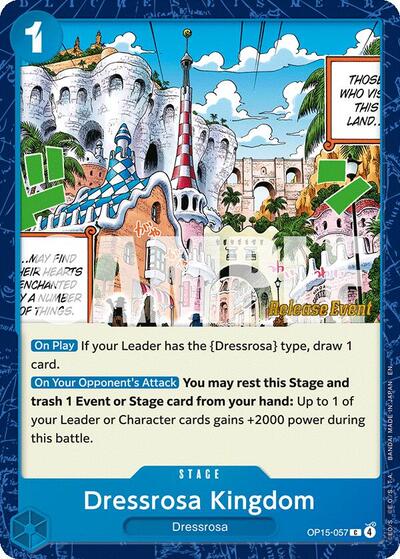
Dressrosa Kingdom
C$2.50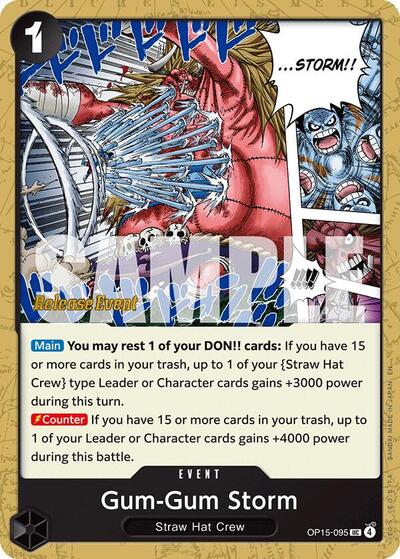
Gum-Gum Storm
UC$2.49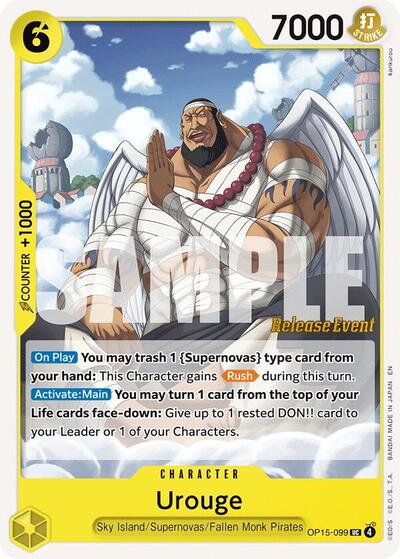
Urouge
UC$2.34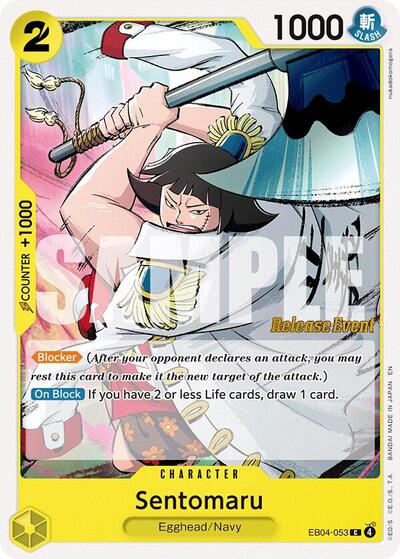
Sentomaru
C$2.28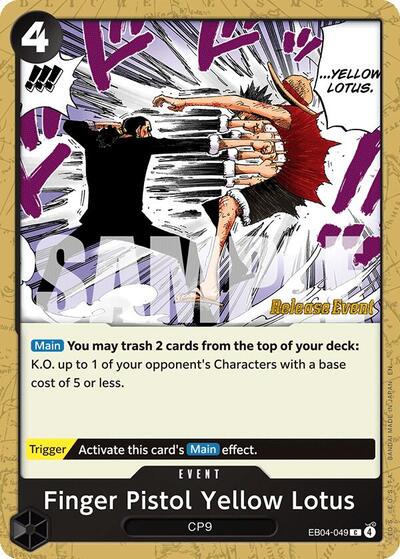
Finger Pistol Yellow Lotus
C$1.99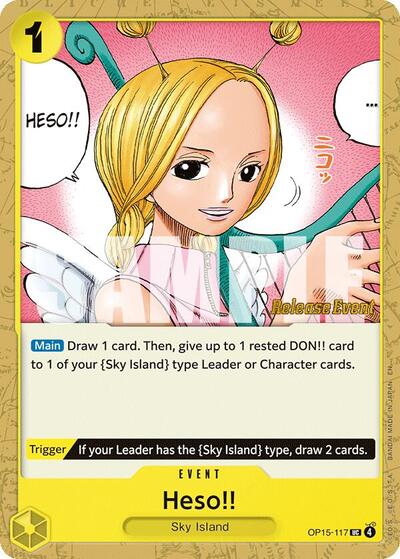
Heso!!
UC$1.99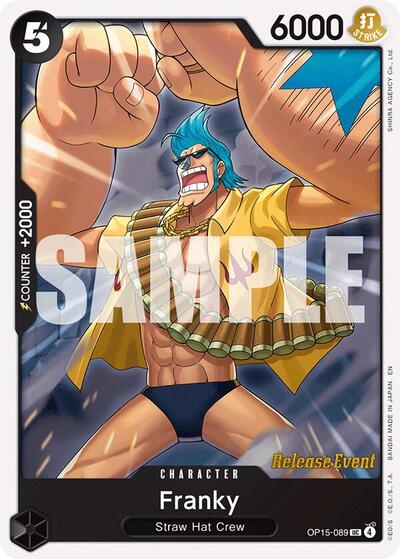
Franky
UC$1.94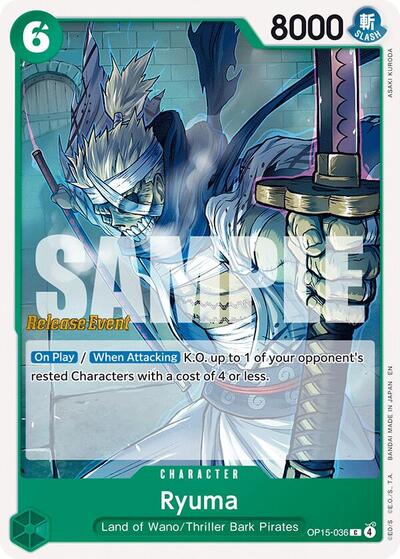
Ryuma
C$1.49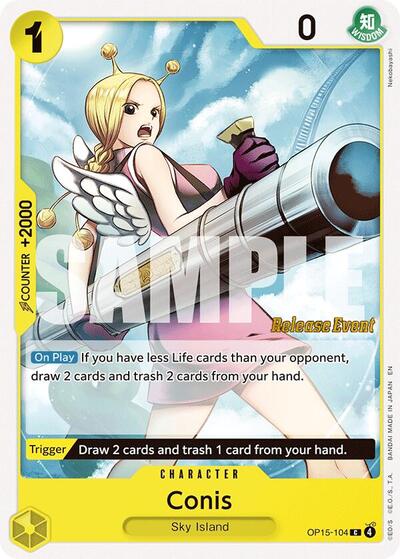
Conis
C$1.49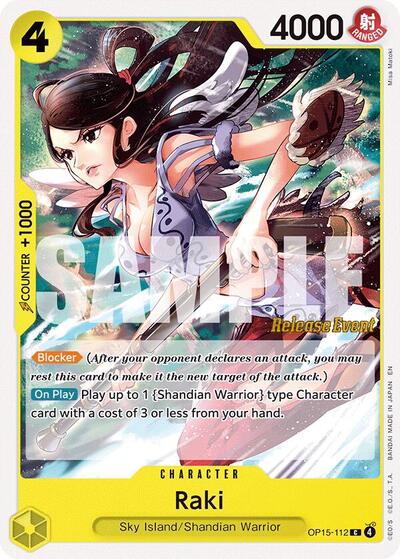
Raki
C$1.49
In the set
90 singles tracked
- C60 · 67%
- UC30 · 33%
How to read the set index
- What is the typical single?
- The median fair value of the set's Near Mint English singles — the price in the middle, so one chase card can't drag it up. Fair value comes from real sales only; the marketplace's Market Price is shown on card pages but never counted.
- What does the index line show?
- The Set Value Index: one Near Mint copy of every printing at fair value, compared week to week on the same printings, so it moves with the set's value — the chase cards most. It starts at 100; the 90-day figure is that line over the last quarter. Beside it, the typical card (every card counted the same, chases left out) and the chases on their own.
- How is popularity scored?
- Out of 100, against the rest of the game: how much the set's cards sell for, how many of them sell each week, how many cards it holds and how its index has moved. It ranks sets; it isn't a price.