
Booster Pack
Maximum Gold Mini-Booster Pack [1st Edition]
- Market Price
- $9.99
- MSRP
- $3.99*
- Against MSRP
- ▲ 150% vs MSRP
MAGO · Yu-Gi-Oh!
171 cards, led by Blue-Eyes White Dragon at $28.80.
Released Oct 9, 2020
Set index · MAGO
79.72
−20.28 (−20.28%)1Y


The 5 most valuable · $8.43 – $28.80
A score that starts at 100 and moves with the set's fair value, compared on the same printings week to week.
One Near Mint copy of every printing at fair value; the chase cards move it most.
one of every printing · fair value · Oct 31, 2026
Every way Maximum Gold was sold, priced.
3 products
Booster Pack
Collection Box
Mini-Box Set [1st Edition]
$8.37 per pack
Inside
* Standard MSRP for that product type, or a bundle's count × that price.
171 of 171 valued in Near Mint
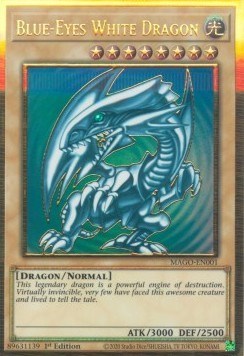
Blue-Eyes White Dragon
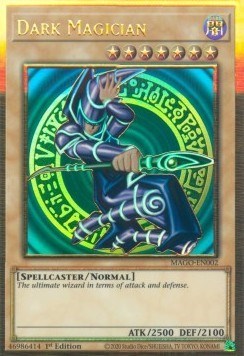
Dark Magician
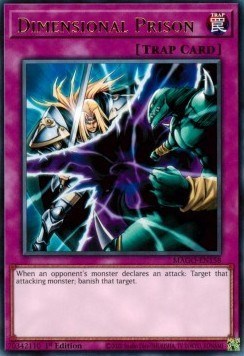
Dimensional Prison
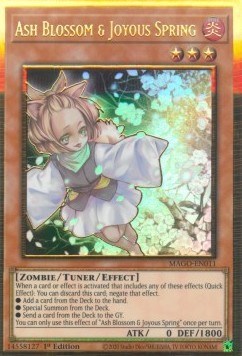
Ash Blossom & Joyous Spring
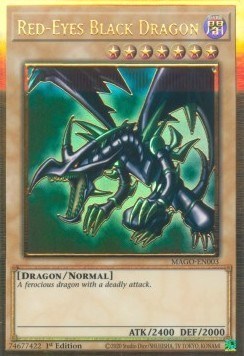
Red-Eyes Black Dragon
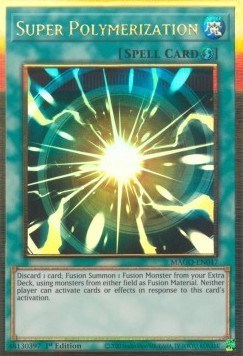
Super Polymerization
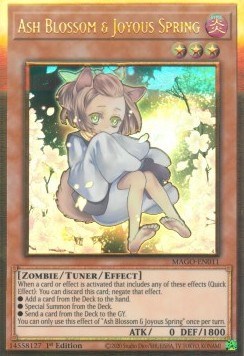
Ash Blossom & Joyous Spring (Alternate Art)
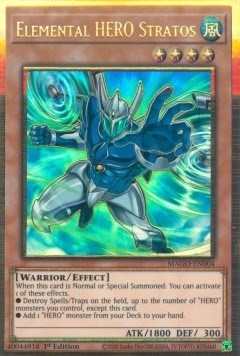
Elemental HERO Stratos
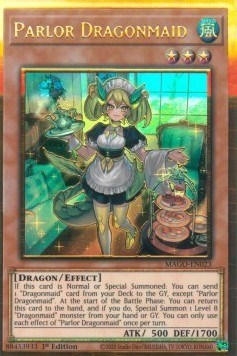
Parlor Dragonmaid
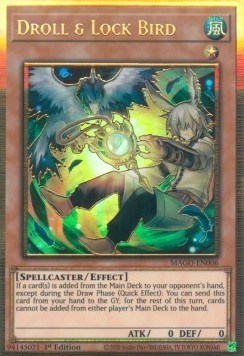
Droll & Lock Bird
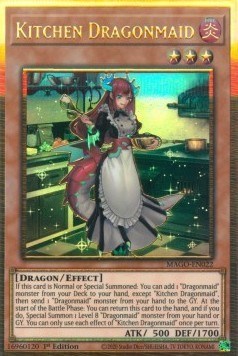
Kitchen Dragonmaid
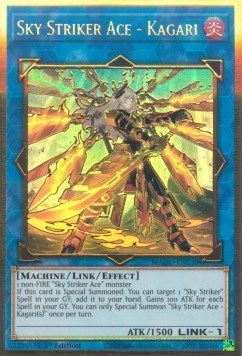
Sky Striker Ace - Kagari (Alternate Art)
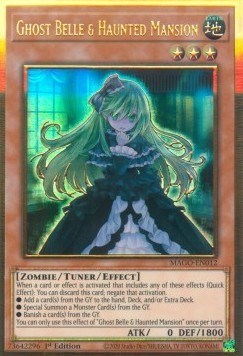
Ghost Belle & Haunted Mansion
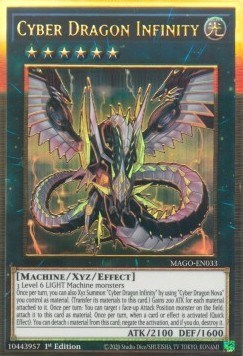
Cyber Dragon Infinity
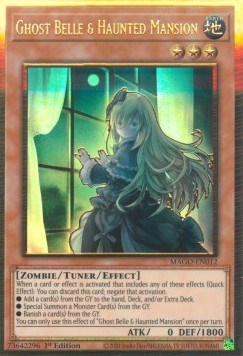
Ghost Belle & Haunted Mansion (Alternate Art)
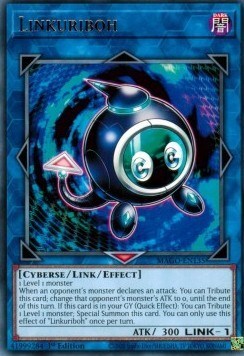
Linkuriboh
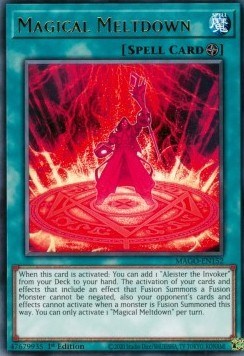
Magical Meltdown
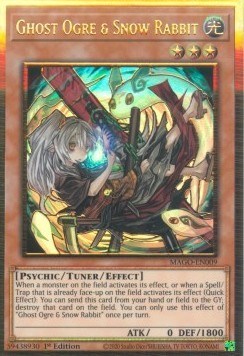
Ghost Ogre & Snow Rabbit (Alternate Art)
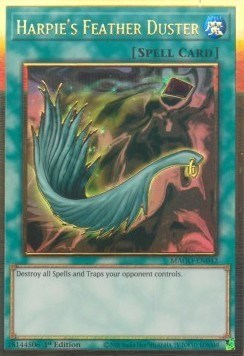
Harpie's Feather Duster
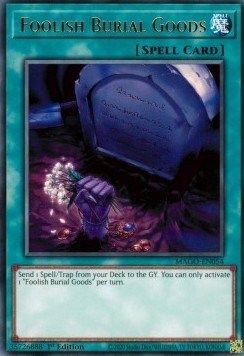
Foolish Burial Goods
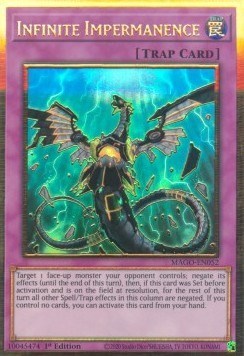
Infinite Impermanence
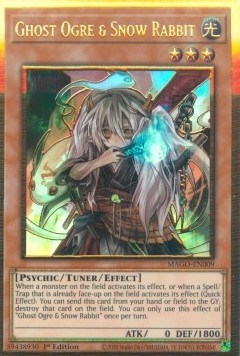
Ghost Ogre & Snow Rabbit
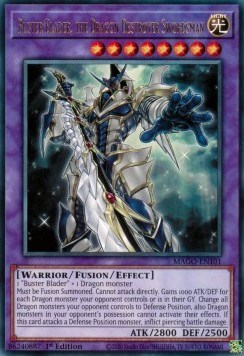
Buster Blader, the Dragon Destroyer Swordsman
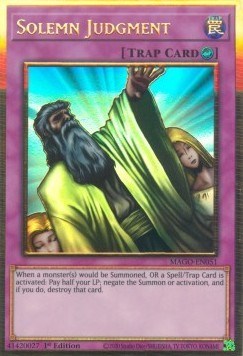
Solemn Judgment
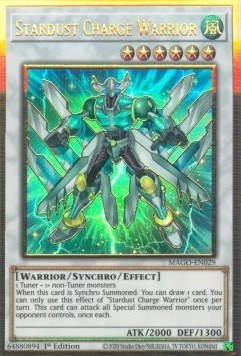
Stardust Charge Warrior
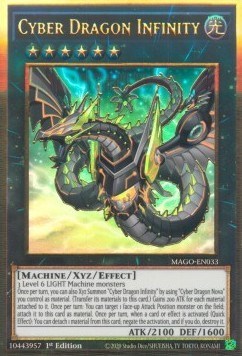
Cyber Dragon Infinity (Alternate Art)
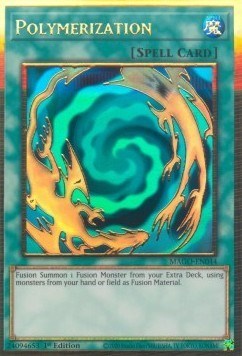
Polymerization
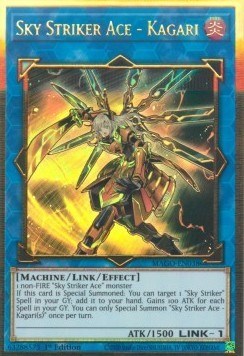
Sky Striker Ace - Kagari
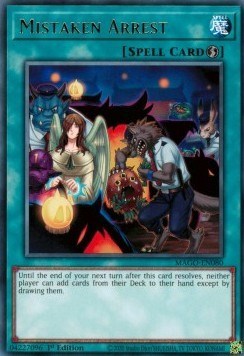
Mistaken Arrest
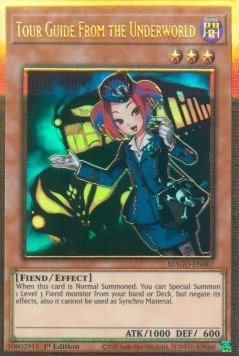
Tour Guide From the Underworld
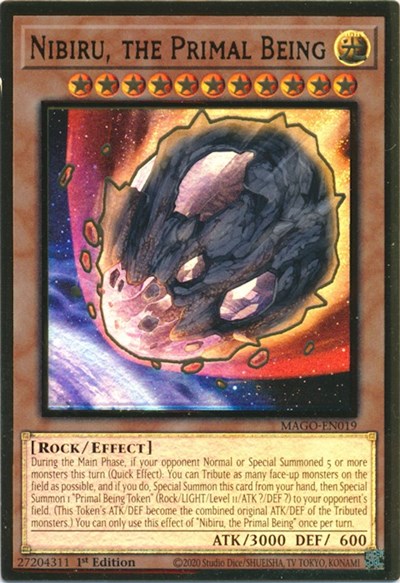
Nibiru, the Primal Being
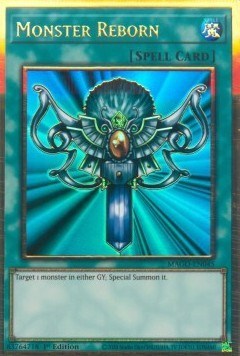
Monster Reborn
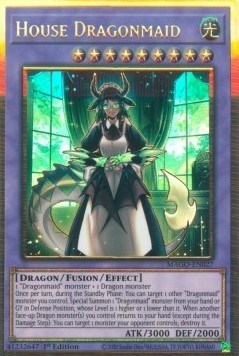
House Dragonmaid
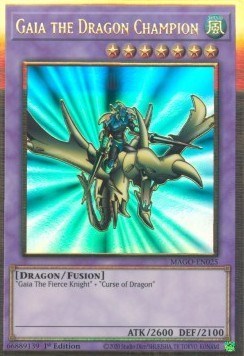
Gaia the Dragon Champion
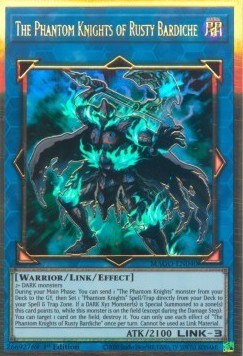
The Phantom Knights of Rusty Bardiche
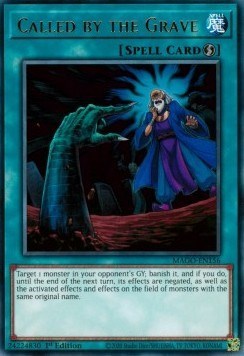
Called by the Grave
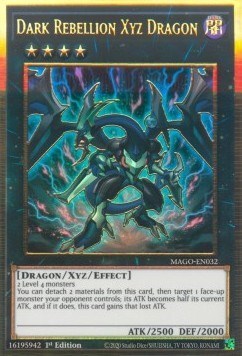
Dark Rebellion Xyz Dragon
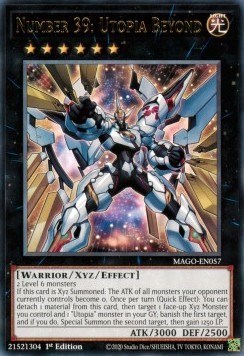
Number 39: Utopia Beyond
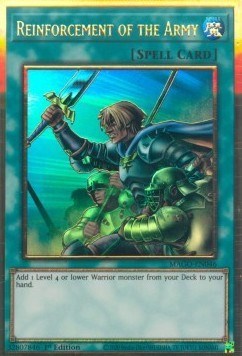
Reinforcement of the Army
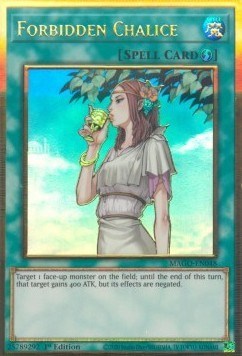
Forbidden Chalice
171 singles tracked