
Booster Pack
Ancient Guardians Booster Pack [1st Edition]
- Market Price
- $2.37
- MSRP
- $3.99*
- Against MSRP
- ▼ 41% vs MSRP
- Loose
- $2.37
- Each, in the sealed product
- $1.46
ANGU · Yu-Gi-Oh!
75 cards, led by Trade-In (CR) at $17.30.
Released Apr 30, 2021
Set index · ANGU
93.06
−6.94 (−6.94%)1Y


The 5 most valuable · $13.11 – $17.30
A score that starts at 100 and moves with the set's fair value, compared on the same printings week to week.
One Near Mint copy of every printing at fair value; the chase cards move it most.
one of every printing · fair value · Oct 31, 2026
Every way Ancient Guardians was sold, priced.
2 products
Booster Pack
Booster Box
Inside
* Standard MSRP for that product type, or a bundle's count × that price.
75 of 75 valued in Near Mint
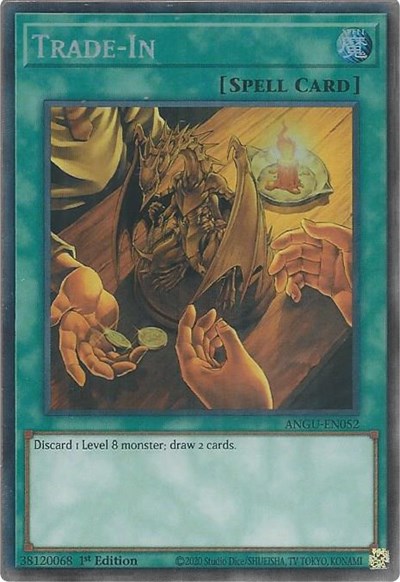
Trade-In (CR)
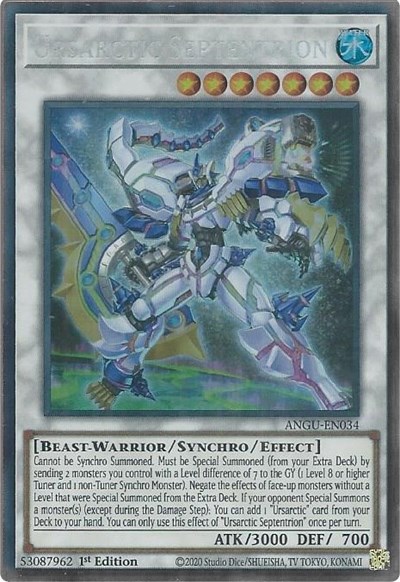
Ursarctic Septentrion (CR)
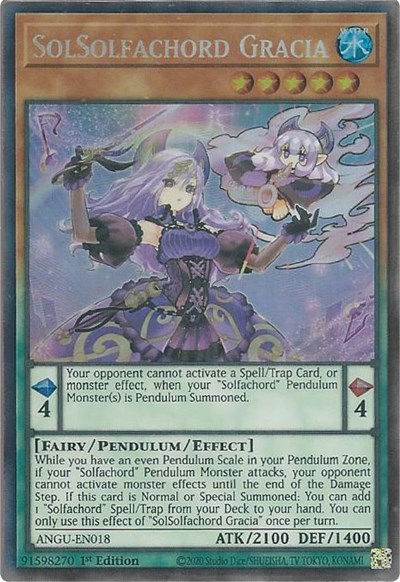
SolSolfachord Gracia (CR)
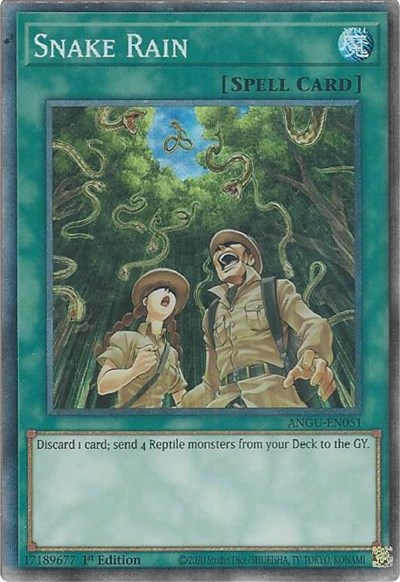
Snake Rain (CR)
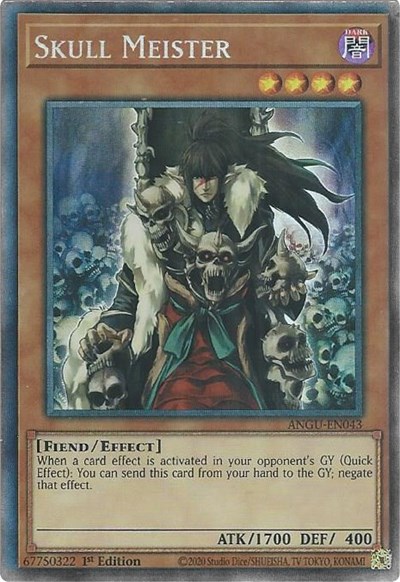
Skull Meister (CR)
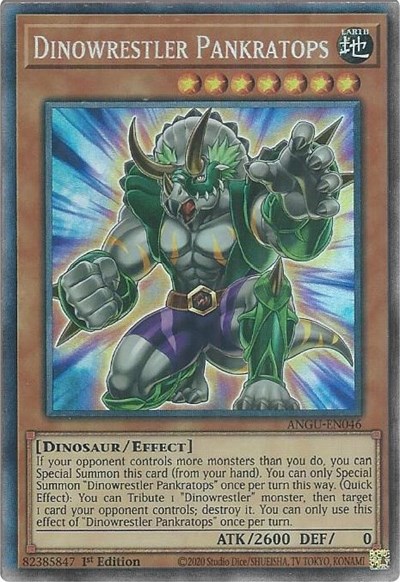
Dinowrestler Pankratops (CR)
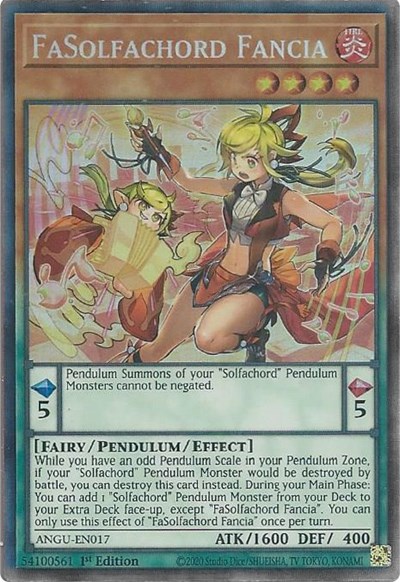
FaSolfachord Fancia (CR)
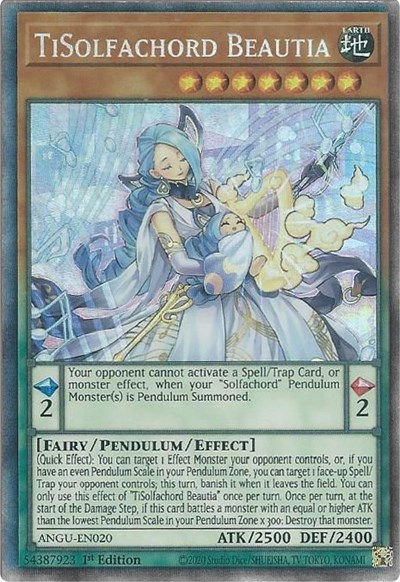
TiSolfachord Beautia (CR)
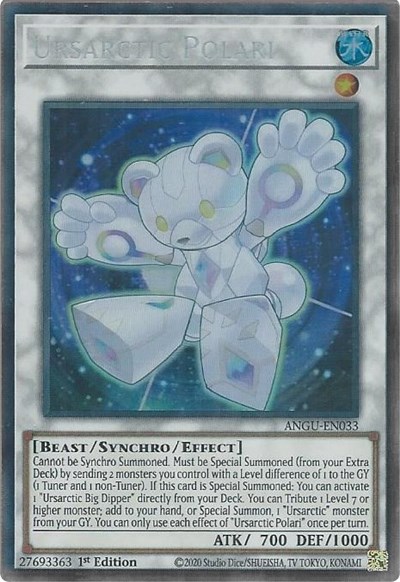
Ursarctic Polari (CR)
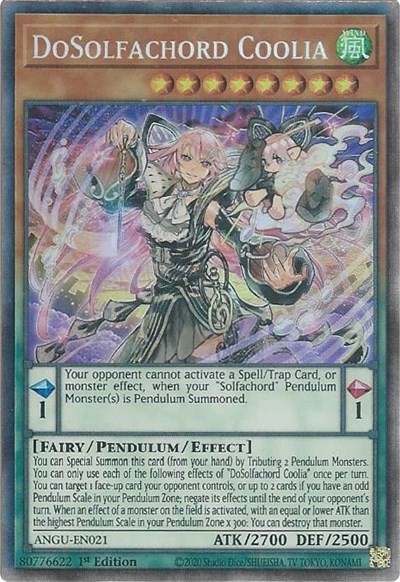
DoSolfachord Coolia (CR)
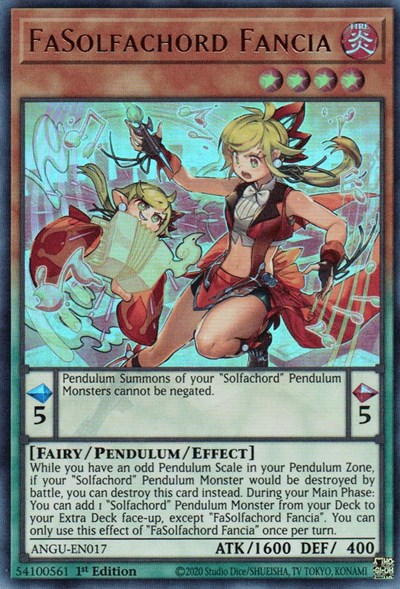
FaSolfachord Fancia
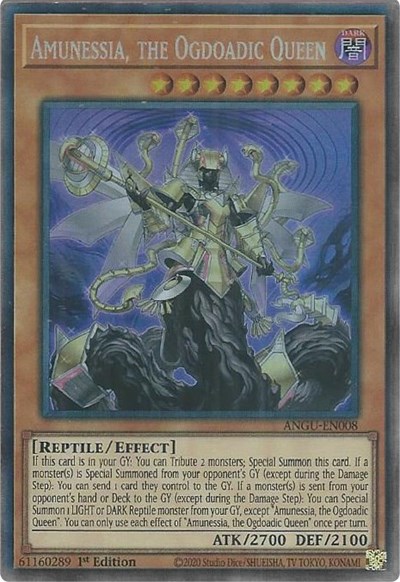
Amunessia, the Ogdoadic Queen (CR)
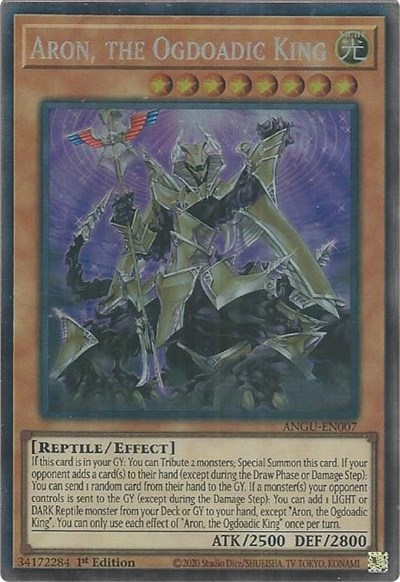
Aron, the Ogdoadic King (CR)
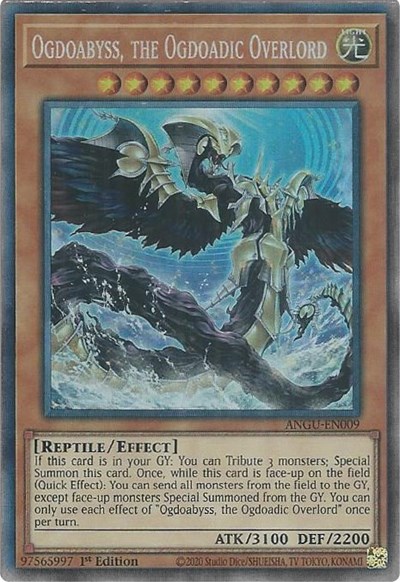
Ogdoabyss, the Ogdoadic Overlord (CR)
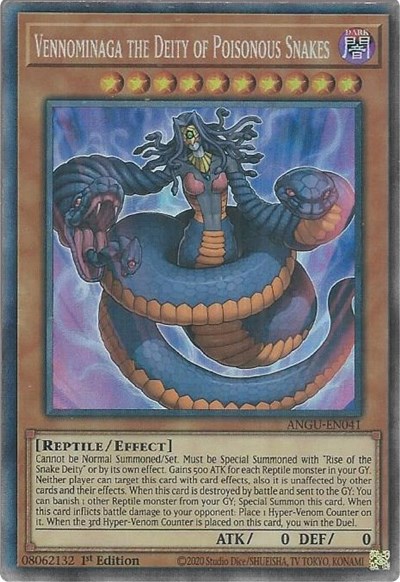
Vennominaga the Deity of Poisonous Snakes (CR)
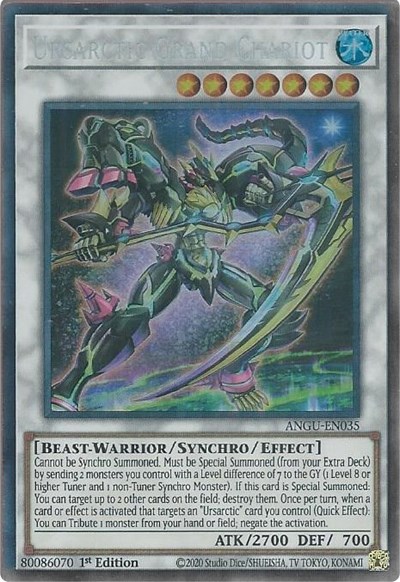
Ursarctic Grand Chariot (CR)
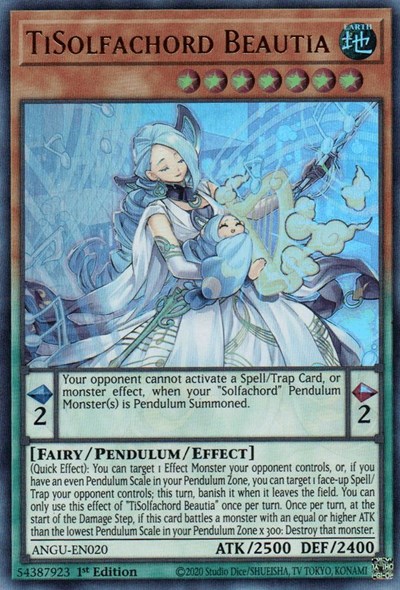
TiSolfachord Beautia
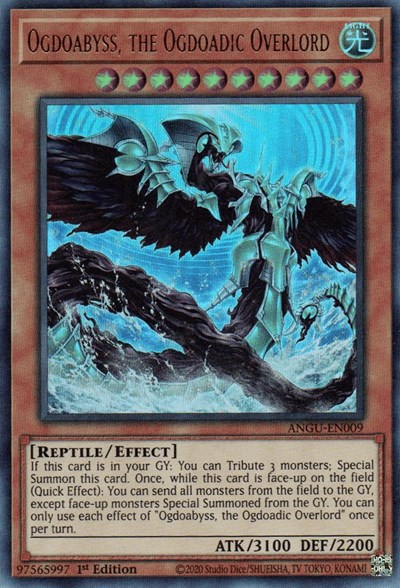
Ogdoabyss, the Ogdoadic Overlord
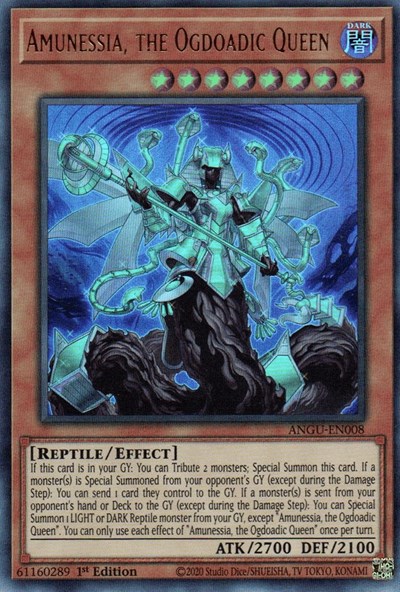
Amunessia, the Ogdoadic Queen
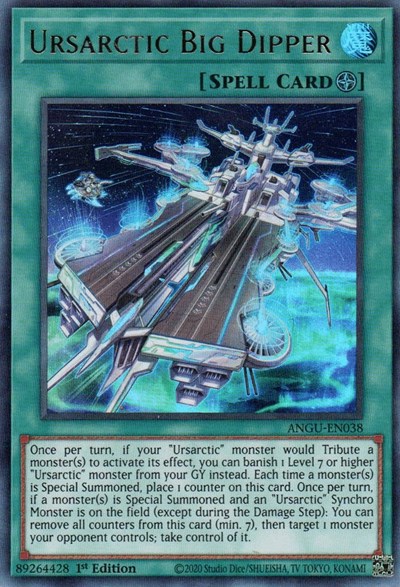
Ursarctic Big Dipper
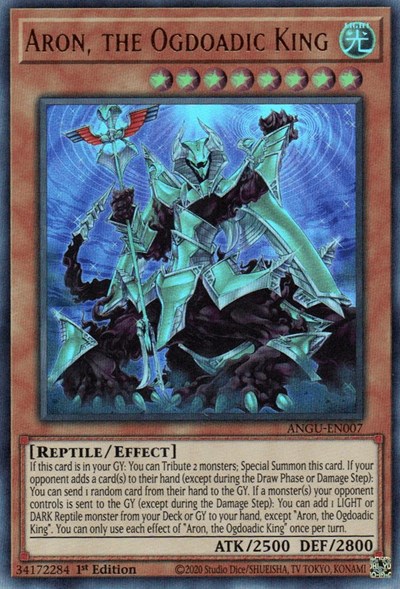
Aron, the Ogdoadic King
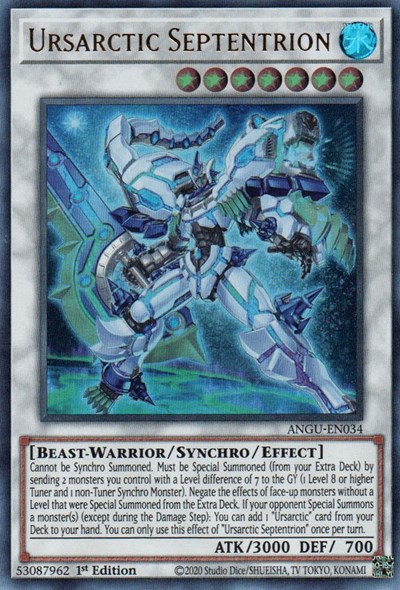
Ursarctic Septentrion
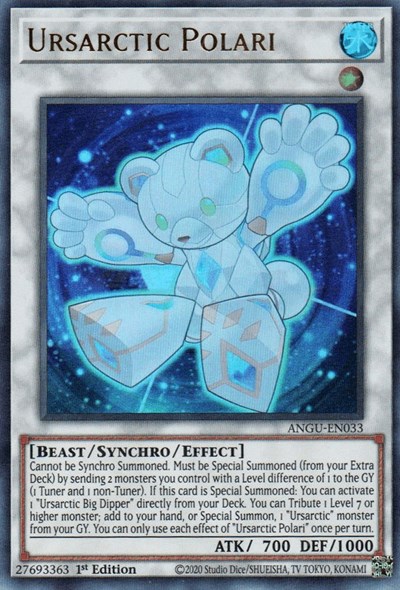
Ursarctic Polari
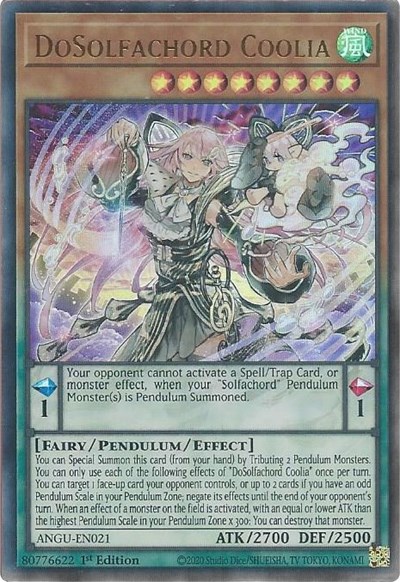
DoSolfachord Coolia
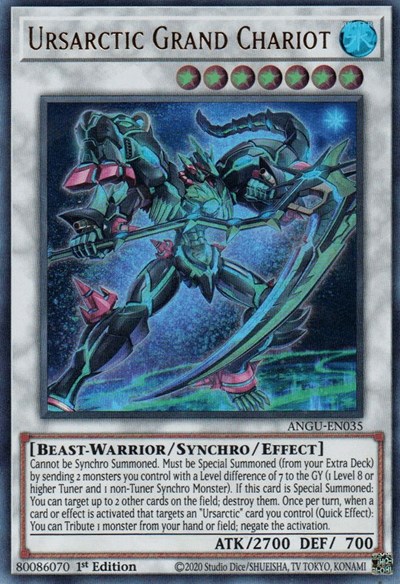
Ursarctic Grand Chariot
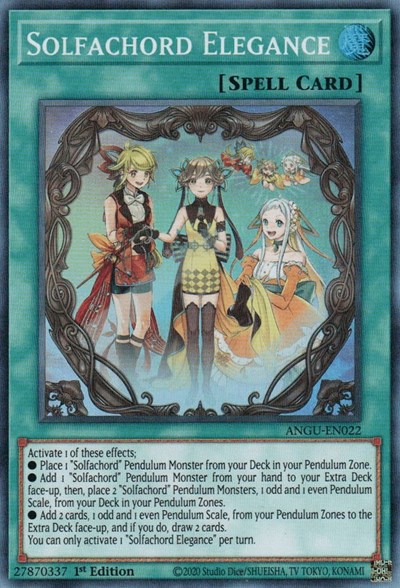
Solfachord Elegance
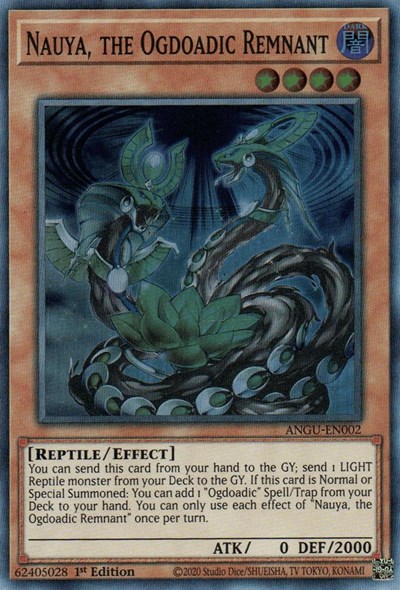
Nauya, the Ogdoadic Remnant
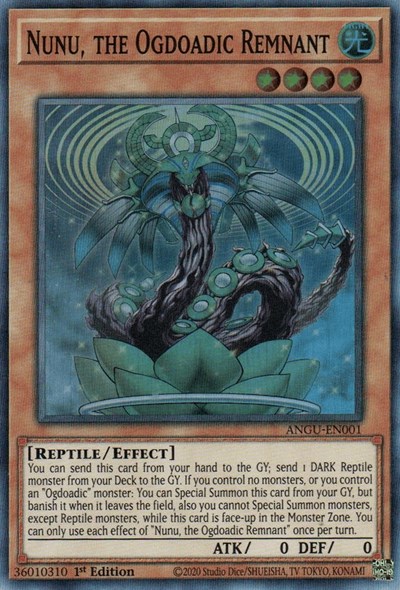
Nunu, the Ogdoadic Remnant
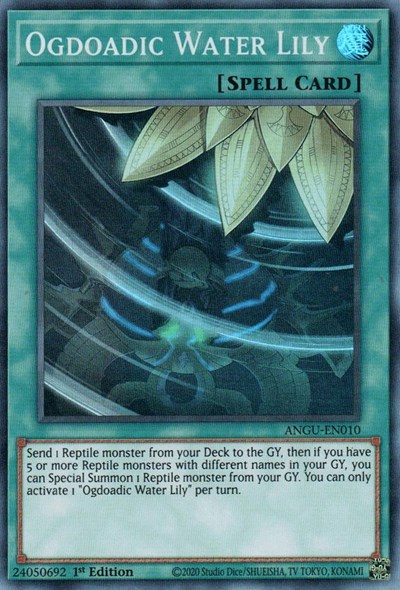
Ogdoadic Water Lily
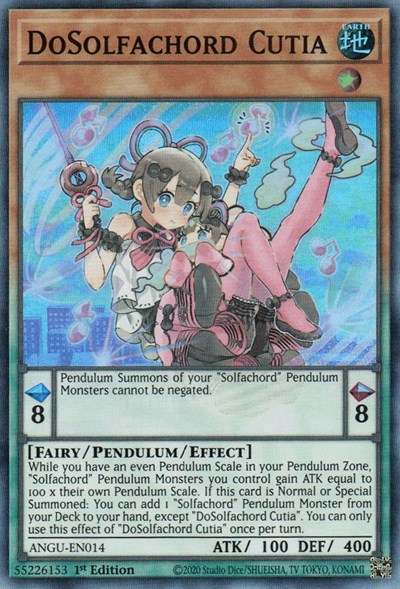
DoSolfachord Cutia
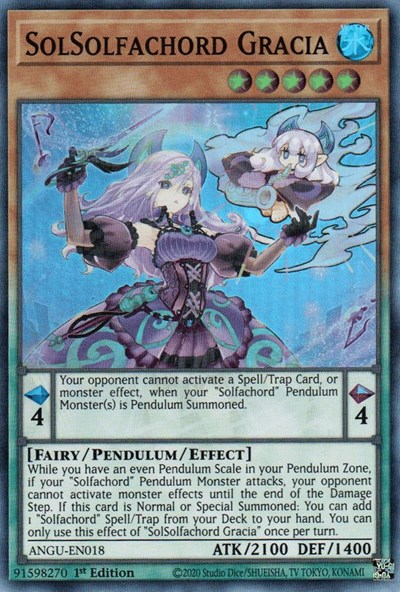
SolSolfachord Gracia
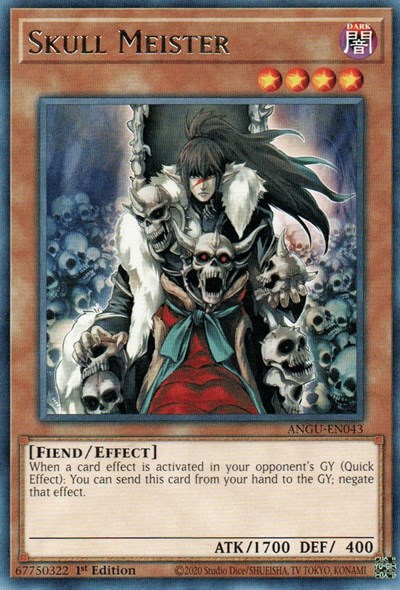
Skull Meister
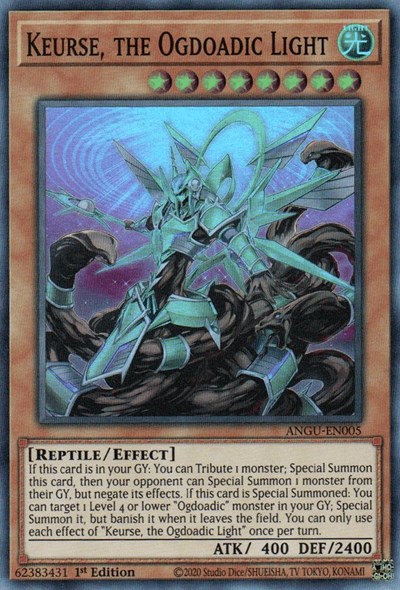
Keurse, the Ogdoadic Light
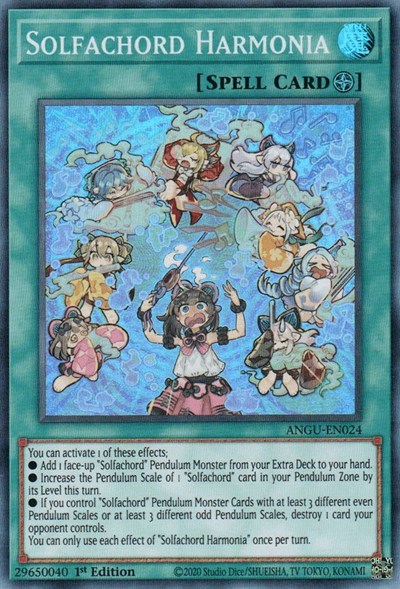
Solfachord Harmonia
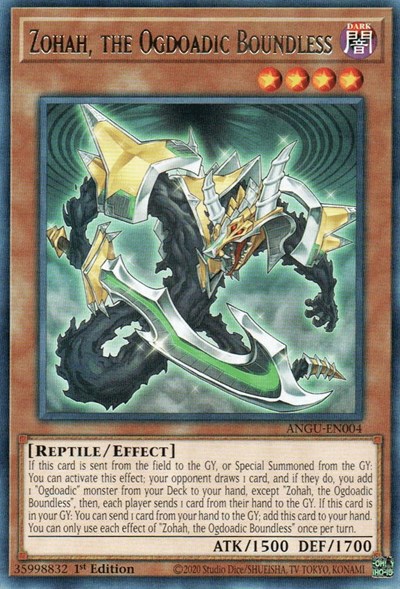
Zohah, the Ogdoadic Boundless
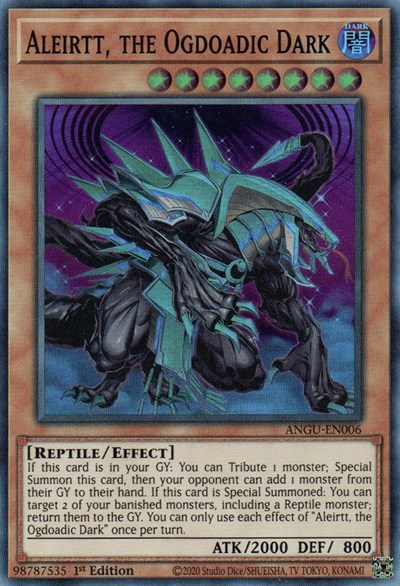
Aleirtt, the Ogdoadic Dark
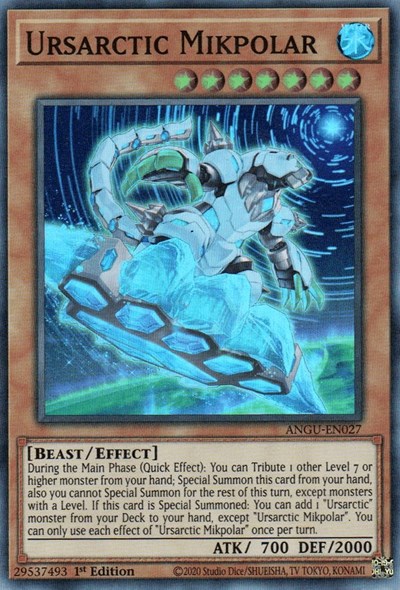
Ursarctic Mikpolar
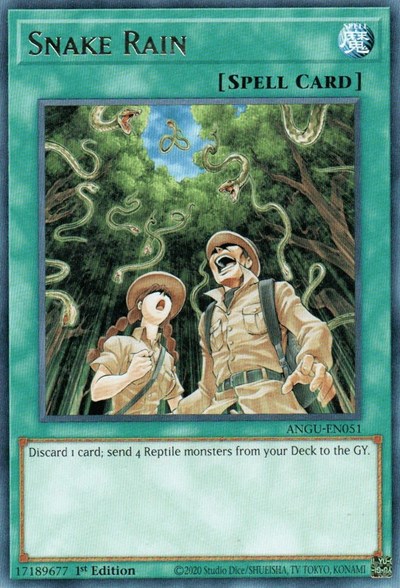
Snake Rain
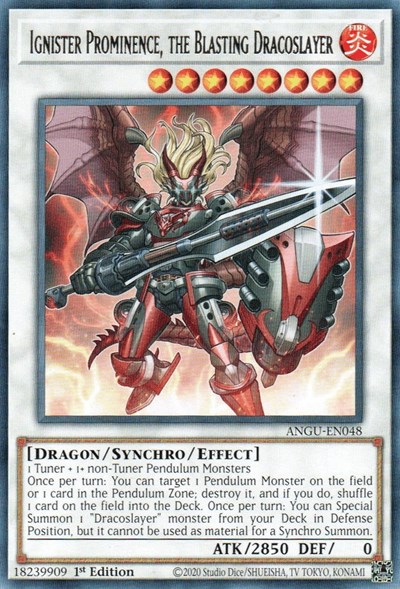
Ignister Prominence, the Blasting Dracoslayer
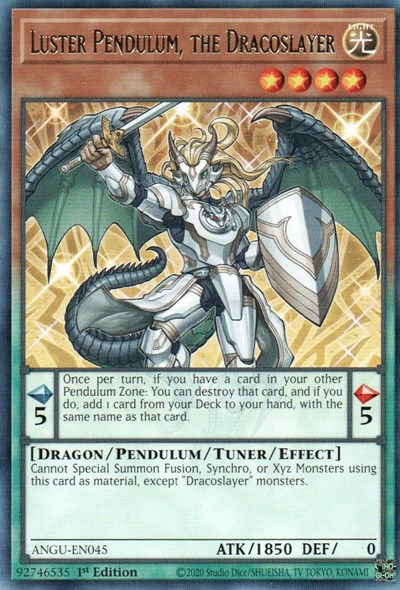
Luster Pendulum, the Dracoslayer
75 singles tracked