
TCGP-24105 · Pokémon Japan
Meganium Constructed Starter Deck
0 cards, led by Meganium ex at $53.14.
Released Mar 5, 2005
Set index · TCGP-24105
The index starts once a few weeks of sales collect.


The 5 most valuable · $7.23 – $53.14
- Cards
- 0
- Priced printings
- 0
- Sales a week
- 0.0
- Typical single, Near Mint
- —
- Popularity
- 0/100
- Standing
- #0
The index
A score that starts at 100 and moves with the set's fair value, compared on the same printings week to week.
One Near Mint copy of every printing at fair value; the chase cards move it most.
The index line fills in as weekly prices collect.
Master set value
one of every printing · fair value · Oct 31, 2026
- NM
- $115.47
- 12 of 12 priced · 25% from sales
- LP
- $92.14
- 12 of 12 priced · 42% from sales
- MP
- $74.41
- 12 of 12 priced · 50% from sales
- HP
- $57.36
- 12 of 12 priced · 33% from sales
- DMG
- $45.05
- 12 of 12 priced · 17% from sales
Cards
10 of 16 valued in Near Mint
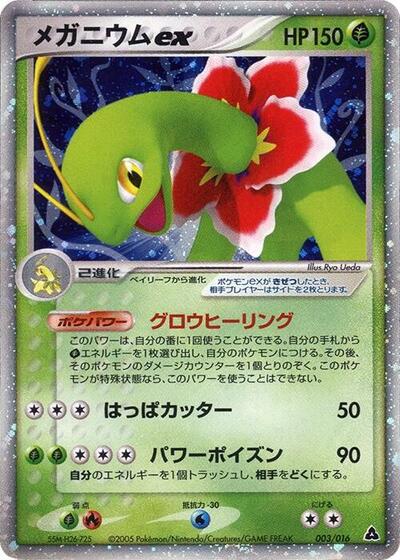
Meganium ex
None$53.14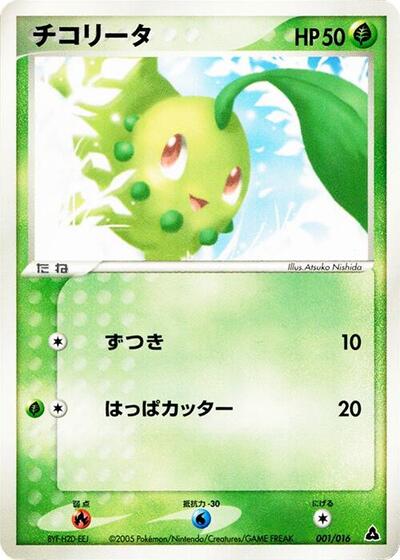
Chikorita
None$9.43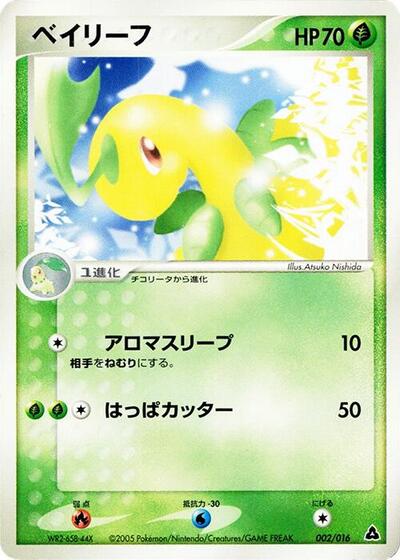
Bayleef
None$8.83
Unown
None$7.38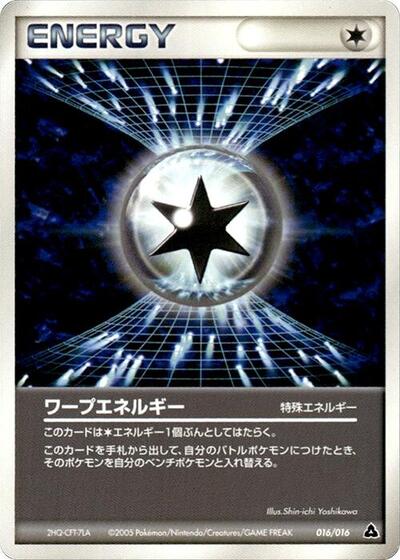
Warp Energy
None$7.23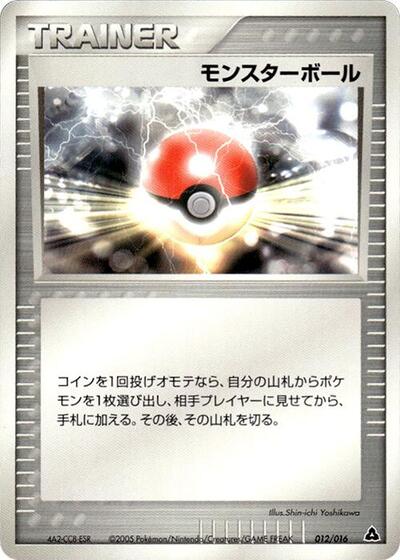
Poke Ball
None$4.49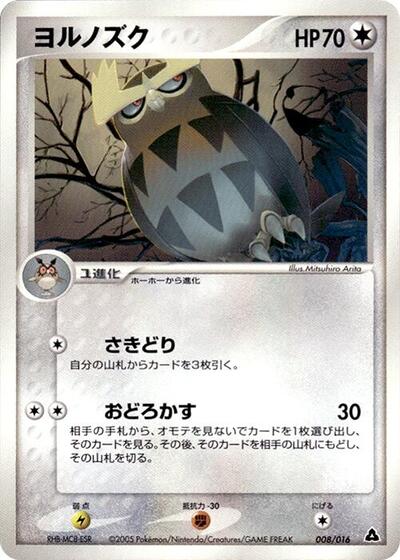
Noctowl
None$4.29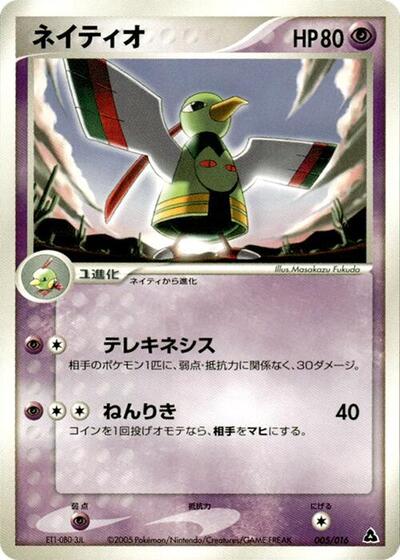
Xatu
None$3.72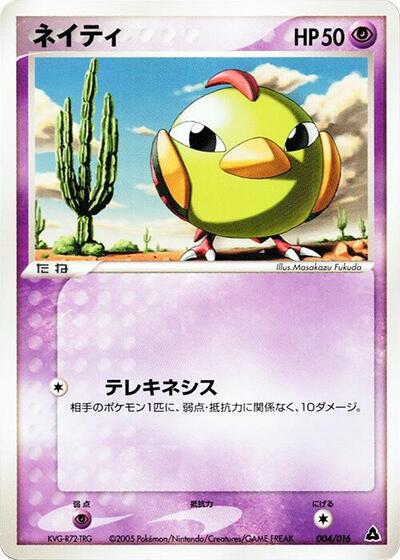
Natu
None$3.02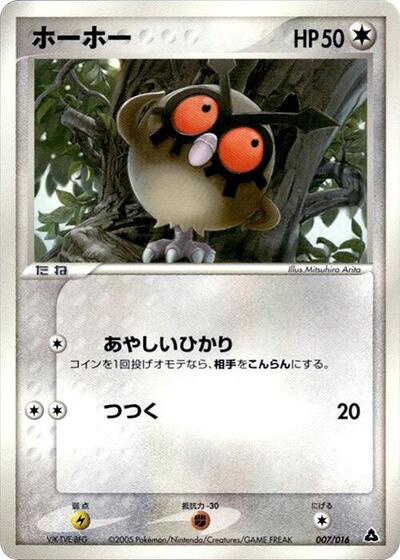
Hoothoot
None$3.01
Energy Recycle System
None—
Potion
None—
Pokemon Reversal
None—
Professor Elm's Training Method
None—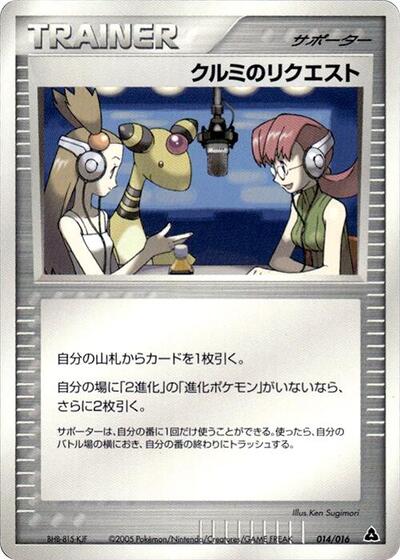
Mary's Request
None—
Fluffy Berry
None—
In the set
16 singles tracked
- None16 · 100%
How to read the set index
- What is the typical single?
- The median fair value of the set's Near Mint English singles — the price in the middle, so one chase card can't drag it up. Fair value comes from real sales only; the marketplace's Market Price is shown on card pages but never counted.
- What does the index line show?
- The Set Value Index: one Near Mint copy of every printing at fair value, compared week to week on the same printings, so it moves with the set's value — the chase cards most. It starts at 100; the 90-day figure is that line over the last quarter. Beside it, the typical card (every card counted the same, chases left out) and the chases on their own.
- How is popularity scored?
- Out of 100, against the rest of the game: how much the set's cards sell for, how many of them sell each week, how many cards it holds and how its index has moved. It ranks sets; it isn't a price.