
RP02-1292 · Yu-Gi-Oh!
Retro Pack 2
101 cards, led by Blue-Eyes Shining Dragon at $371.12.
Released Jul 28, 2009
Set index · RP02-1292
97.05
−2.95 (−2.95%)1Y
- 1W
- −2.95%
- 1Y
- −2.95%
52W low 97.05high 100.00


The 5 most valuable · $67.41 – $371.12
- Cards
- 101
- Priced printings
- 103
- Sales a week
- 23
- Typical single, Near Mint
- $1.10
- Popularity
- 72/100
- Standing
- #68
The index
A score that starts at 100 and moves with the set's fair value, compared on the same printings week to week.
One Near Mint copy of every printing at fair value; the chase cards move it most.
Master set value
one of every printing · fair value · Oct 31, 2026
- NM
- $1,073.39
- 103 of 103 priced · 99% from sales
- LP
- $937.39
- 103 of 103 priced · 97% from sales
- MP
- $677.39
- 103 of 103 priced · 92% from sales
- HP
- $554.27
- 103 of 103 priced · 57% from sales
- DMG
- $456.32
- 103 of 103 priced · 29% from sales
Sealed
Every way Retro Pack 2 was sold, priced.
4 products
Collection Box
Box (3-Pack)
- Market Price
- —
- MSRP
- $17.96*
What's inside
Inside
3×Booster Pack
- 1×variant card: Green Baboon, Defender of the Forest (North American) or Gorz the Emissary of Darkness (Europe/Latin America/Oceania)
Blister
Blister (3-Pack)
- Market Price
- —
- MSRP
- $17.96*
What's inside
Inside
- 1×variant card: Green Baboon, Defender of the Forest (North American) or Gorz the Emissary of Darkness (Europe/Latin America/Oceania)
* Standard MSRP for that product type, or a bundle's count × that price.
Cards
101 of 101 valued in Near Mint

Blue-Eyes Shining Dragon
Secret Rare$371.12
Dragon Master Knight
Secret Rare$170.48
Harpie's Pet Dragon
Secret Rare$89.46
Light and Darkness Dragon
Secret Rare$89.08
Valkyrion the Magna Warrior
Secret Rare$67.41
Ring of Destruction
Secret Rare$38.99
Victory Dragon
Secret Rare$31.60
Archfiend of Gilfer
Secret Rare$26.89
Jinzo
Ultra Rare$14.44
Dreadscythe Harvester
Secret Rare$12.90
Gorz the Emissary of Darkness
Secret Rare$11.37
Thousand-Eyes Restrict
Ultra Rare$7.21
Injection Fairy Lily
Ultra Rare$6.15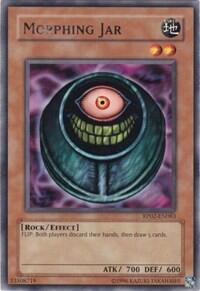
Morphing Jar
Rare$5.92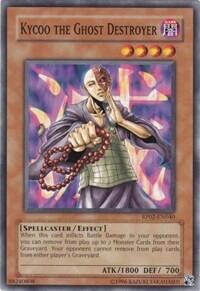
Kycoo the Ghost Destroyer
Common$4.52
Swift Gaia the Fierce Knight
Ultra Rare$4.14
United We Stand
Ultra Rare$4.02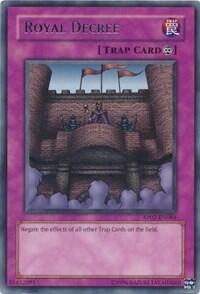
Royal Decree
Rare$4.01
Mirror Wall
Ultra Rare$4.00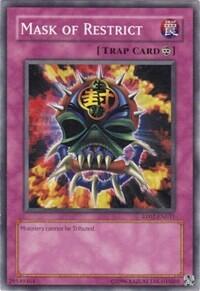
Mask of Restrict
Common$4.00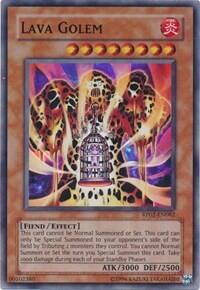
Lava Golem
Super Rare$3.40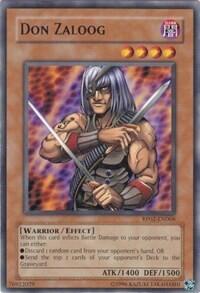
Don Zaloog
Rare$3.16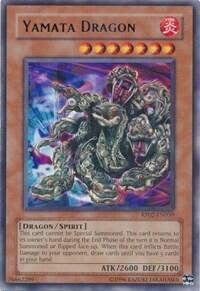
Yamata Dragon
Rare$3.00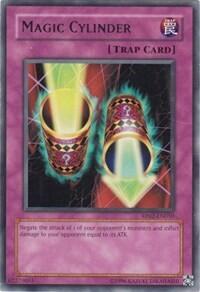
Magic Cylinder
Rare$2.97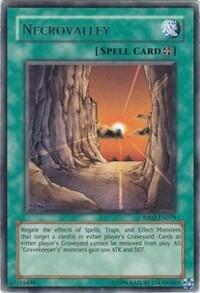
Necrovalley
Rare$2.91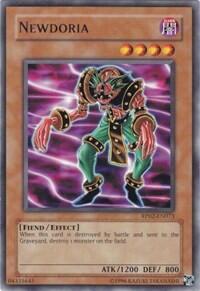
Newdoria
Rare$2.80
Tyrant Dragon
Super Rare$2.75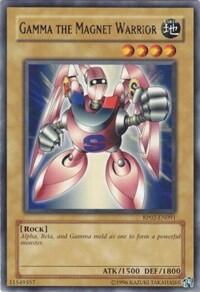
Gamma The Magnet Warrior
Rare$2.56
Helpoemer
Ultra Rare$2.36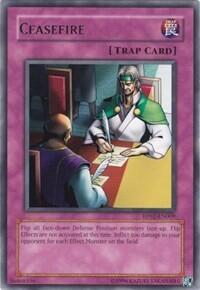
Ceasefire
Rare$2.35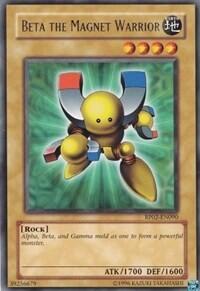
Beta The Magnet Warrior
Rare$2.34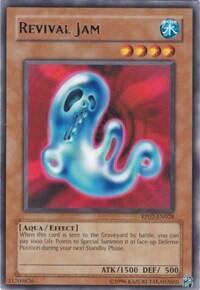
Revival Jam
Rare$2.32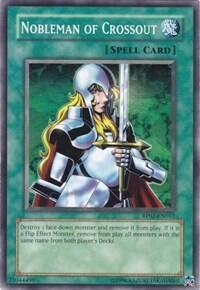
Nobleman of Crossout
Common$2.07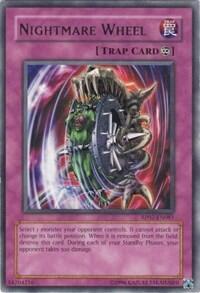
Nightmare Wheel
Rare$2.06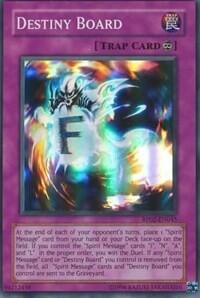
Destiny Board
Super Rare$2.02
Insect Queen
Super Rare$2.01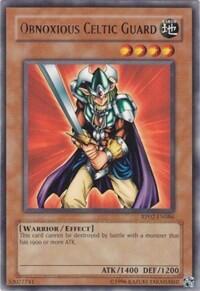
Obnoxious Celtic Guard
Rare$1.97
Hino-Kagu-Tsuchi
Super Rare$1.94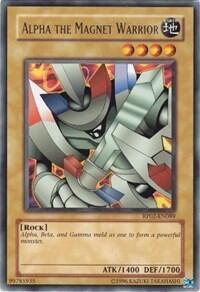
Alpha The Magnet Warrior
Rare$1.80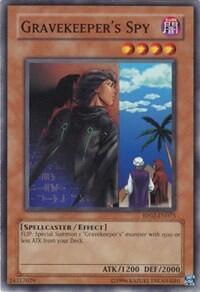
Gravekeeper's Spy
Common$1.78
In the set
101 singles tracked
- Common48 · 48%
- Rare24 · 24%
- Secret Rare11 · 11%
- Super Rare10 · 10%
- Ultra Rare8 · 8%
How to read the set index
- What is the typical single?
- The median fair value of the set's Near Mint English singles — the price in the middle, so one chase card can't drag it up. Fair value comes from real sales only; the marketplace's Market Price is shown on card pages but never counted.
- What does the index line show?
- The Set Value Index: one Near Mint copy of every printing at fair value, compared week to week on the same printings, so it moves with the set's value — the chase cards most. It starts at 100; the 90-day figure is that line over the last quarter. Beside it, the typical card (every card counted the same, chases left out) and the chases on their own.
- How is popularity scored?
- Out of 100, against the rest of the game: how much the set's cards sell for, how many of them sell each week, how many cards it holds and how its index has moved. It ranks sets; it isn't a price.