Booster Pack
The Hobbit - Play Pack
- Market Price
- $36.44
- MSRP
- —
Inside
3×Play Booster Pack
- 1×Bonus Promo Card

HOB · Magic: The Gathering
334 cards, led by Smaug the Magnificent (Borderless) at $23,890.29.
Released Aug 14, 2026
Set index · HOB
7.89
−71.13 (−90.01%)3M

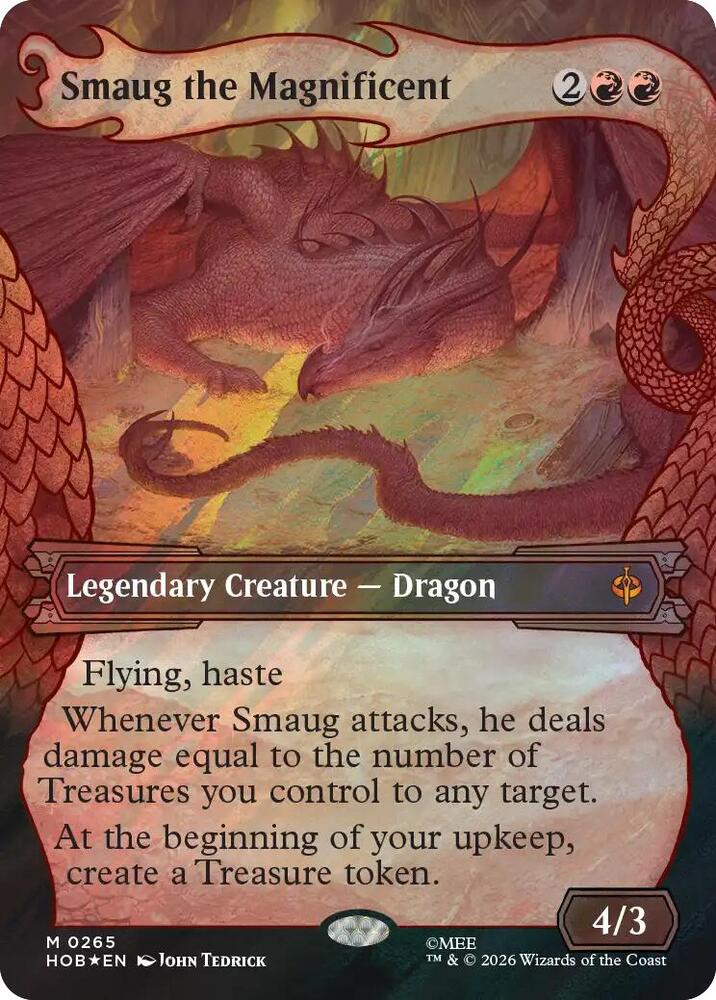

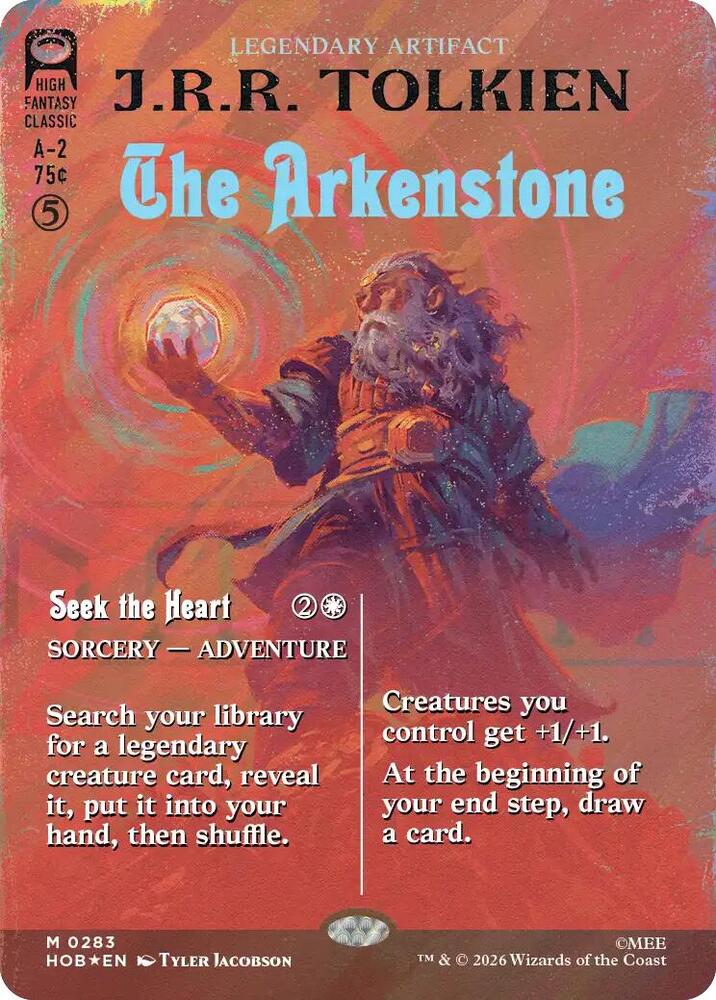
The 5 most valuable · $148.40 – $23,890.29
A score that starts at 100 and moves with the set's fair value, compared on the same printings week to week.
One Near Mint copy of every printing at fair value; the chase cards move it most.
Every way The Hobbit was sold, priced.
13 products
Booster Pack
Inside
Display
Collector Booster Display
$51.83 per pack
Inside
Display
Play Booster Display
$4.30 per pack
Inside
Booster Bundle
Bundle
$5.18 per pack
Inside
Booster Bundle
Gift Bundle
$9.26 per pack
Inside
Collection Box
Box Topper
Collection Box
Scene Box - Crack the Plates
$13.13 per pack
Inside
Collection Box
Scene Box - Treasures of Smaug
$16.48 per pack
Inside
Prerelease Kit
Prerelease Pack
$6.43 per pack
Inside
Booster Pack
Collector Booster Omega Pack
Booster Pack
Collector Booster Pack
Booster Pack
Play Booster Pack
Other
Draft Night
$9.02 per pack
Inside
* Standard MSRP for that product type, or a bundle's count × that price.
Open one. Then see how often each hit turns up.
Pack $65.79
Tap the pack. Every card is drawn from the pack's real odds.
16 cards a pack · 5 traditional foil common cards · 1 traditional foil middle-earth journey basic land · 2 traditional foil rare or mythic rare cards · 8 hit slots
U
1 in 1
packs · 84.6%
T (traditional foil double-sided token)
1 in 2
packs · 65.0%
R (traditional foil extended-art HOB card)
1 in 3
packs · 33.8%
R (extended-art HOB card)
1 in 3
packs · 30.9%
R (traditional foil Dragon hoard card)
1 in 7
packs · 14.3%
R (Dragon hoard card)
1 in 8
packs · 13.1%
R (traditional foil HOB scene card)
1 in 9
packs · 11.0%
R (HOB scene card)
1 in 10
packs · 10.1%
U (traditional foil Dragon hoard card)
1 in 11
packs · 9.20%
R (surge foil Dragon hoard card)
1 in 15
packs · 6.50%
U (traditional foil scene card)
1 in 16
packs · 6.20%
M (traditional foil Dragon hoard card)
1 in 20
packs · 4.90%
R (traditional foil book cover card)
1 in 22
packs · 4.60%
M (Dragon hoard card)
1 in 22
packs · 4.50%
R (book cover card)
1 in 24
packs · 4.20%
M (traditional foil book cover card)
1 in 28
packs · 3.60%
M (book cover card)
1 in 30
packs · 3.30%
M (surge foil Dragon hoard card)
1 in 42
packs · 2.40%
R (surge foil book cover card)
1 in 42
packs · 2.40%
M (surge foil book cover card)
1 in 56
packs · 1.80%
M (traditional foil extended-art HOB card)
1 in 77
packs · 1.30%
M (extended-art HOB card)
1 in 83
packs · 1.20%
Chance in one pack · Near Mint
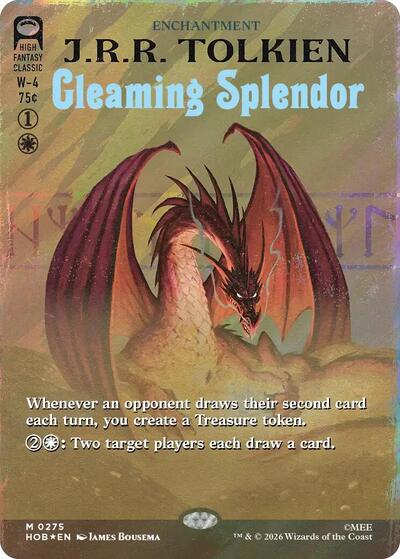
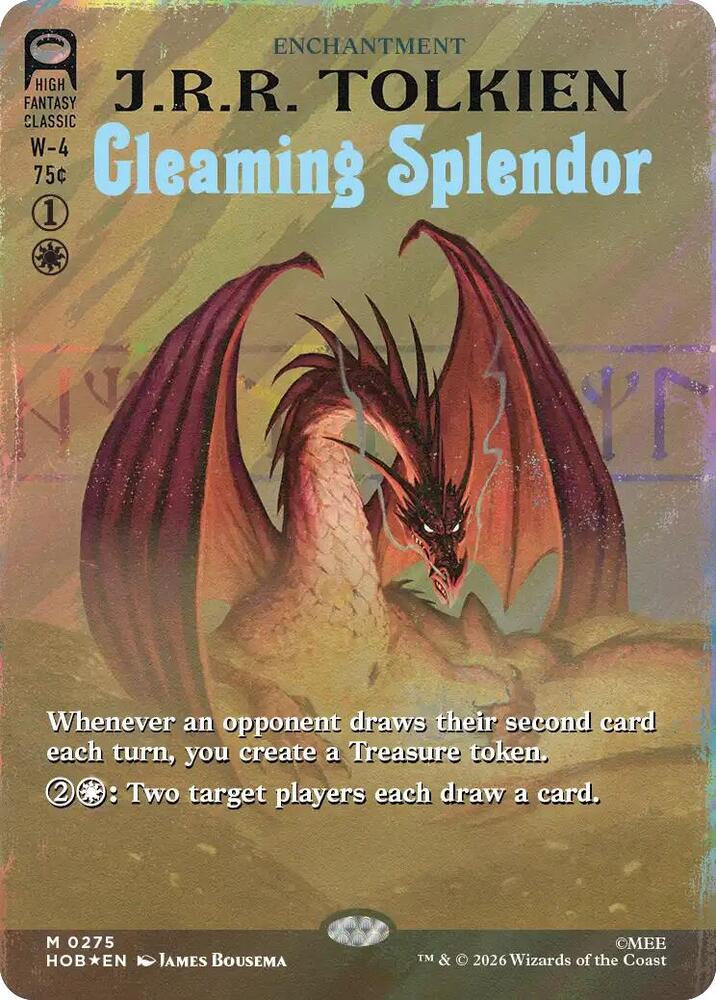
Gleaming Splendor (Borderless) (Surge Foil)
$383.181 in 333
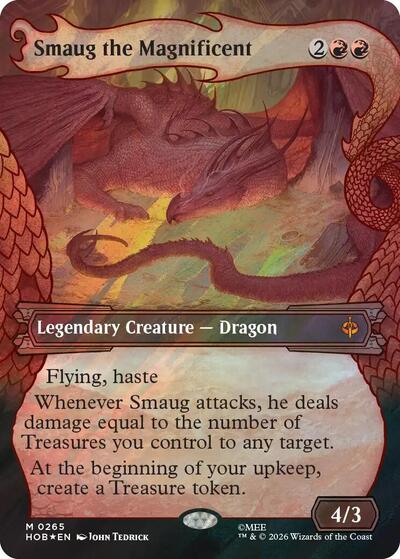
Smaug the Magnificent (Showcase) (Surge Foil)
$159.831 in 333
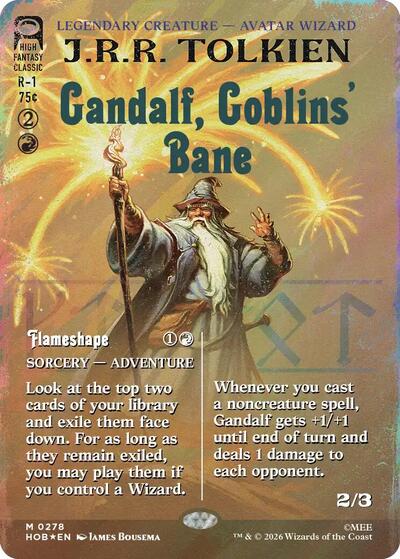
Gandalf, Goblins' Bane (Borderless) (Surge Foil)
$150.971 in 333
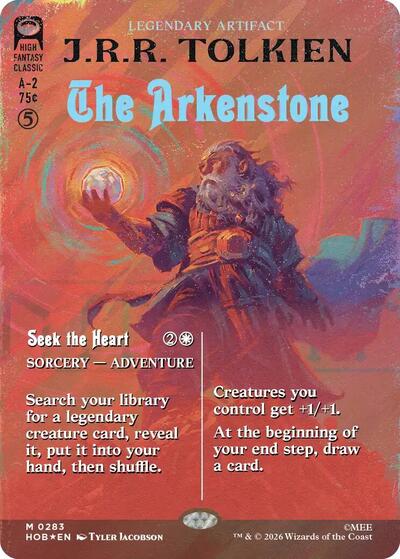
The Arkenstone (Borderless) (Surge Foil)
$148.401 in 333
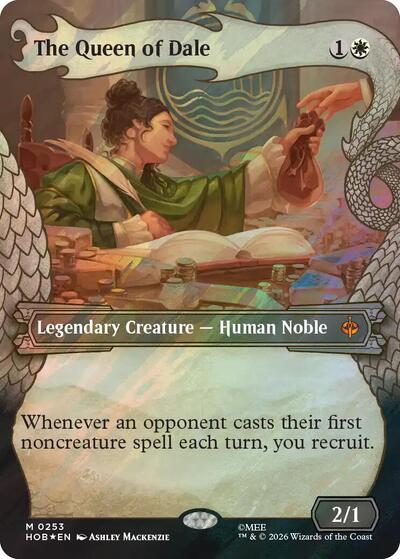
The Queen of Dale (Showcase) (Surge Foil)
$106.201 in 333
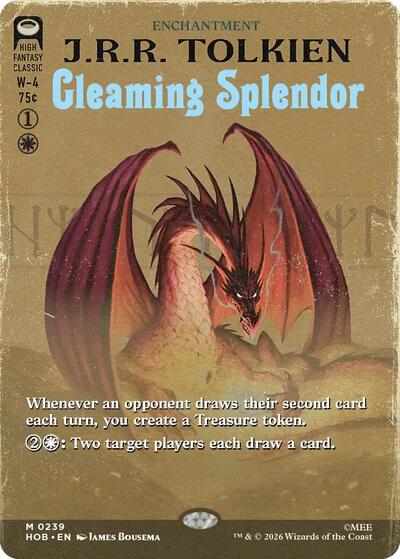
Gleaming Splendor (Borderless)
$97.401 in 167
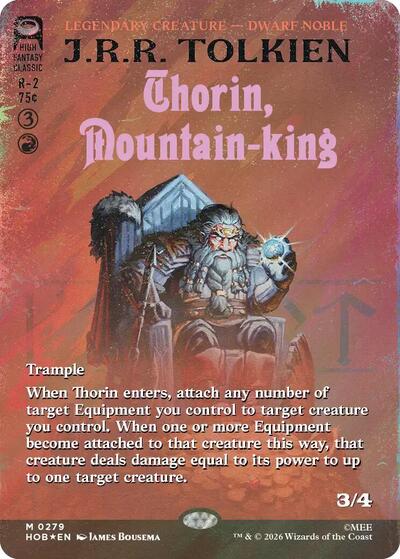
Thorin, Mountain-king (Borderless) (Surge Foil)
$91.401 in 333
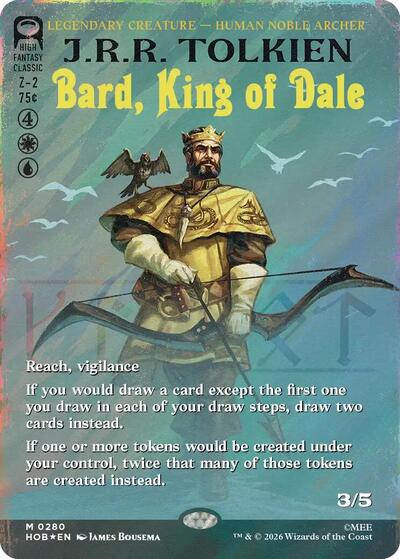
Bard, King of Dale (Borderless) (Surge Foil)
$85.071 in 333
334 of 334 valued in Near Mint
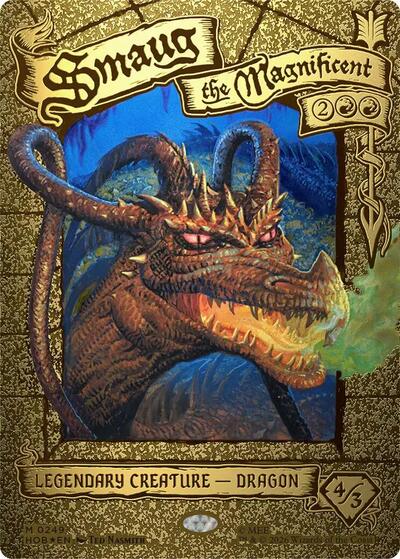
Smaug the Magnificent (Borderless)
Gleaming Splendor (Borderless) (Surge Foil)
Smaug the Magnificent (Showcase) (Surge Foil)
Gandalf, Goblins' Bane (Borderless) (Surge Foil)
The Arkenstone (Borderless) (Surge Foil)
The Queen of Dale (Showcase) (Surge Foil)
Thorin, Mountain-king (Borderless) (Surge Foil)
Bard, King of Dale (Borderless) (Surge Foil)
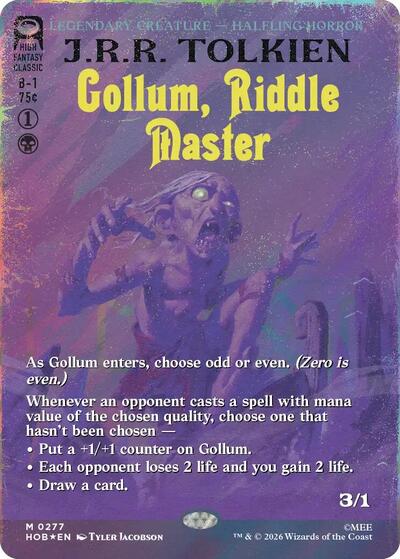
Gollum, Riddle Master (Borderless) (Surge Foil)
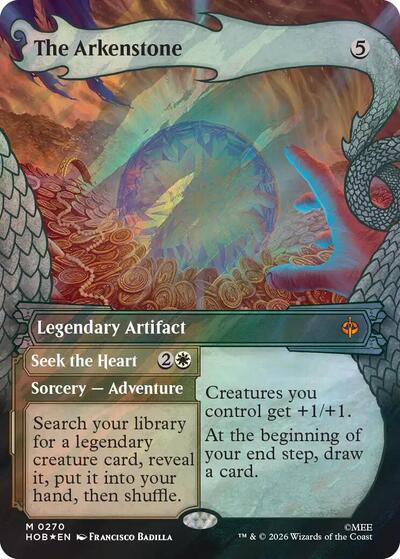
The Arkenstone (Showcase) (Surge Foil)
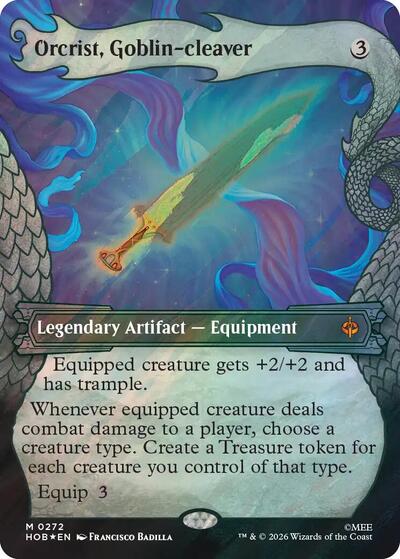
Orcrist, Goblin-cleaver (Showcase) (Surge Foil)
Gleaming Splendor (Borderless)
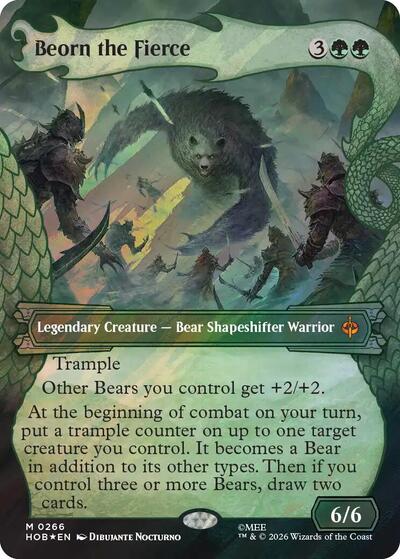
Beorn the Fierce (Showcase) (Surge Foil)
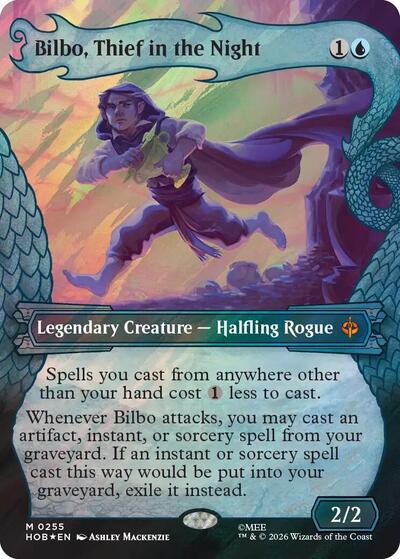
Bilbo, Thief in the Night (Showcase) (Surge Foil)
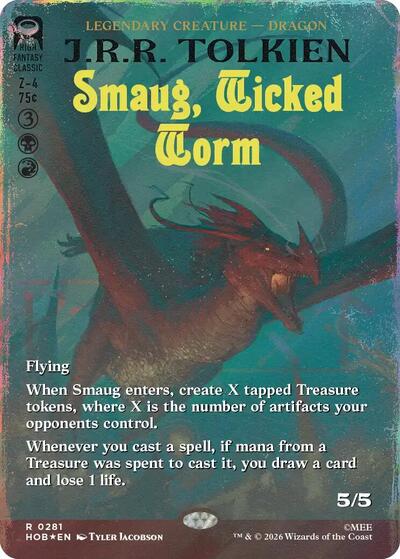
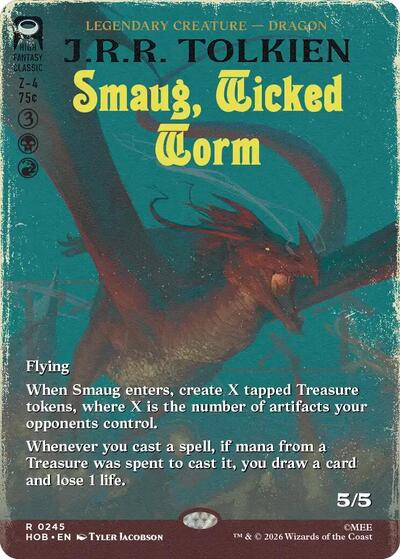
Smaug, Wicked Worm (Borderless) (Surge Foil)
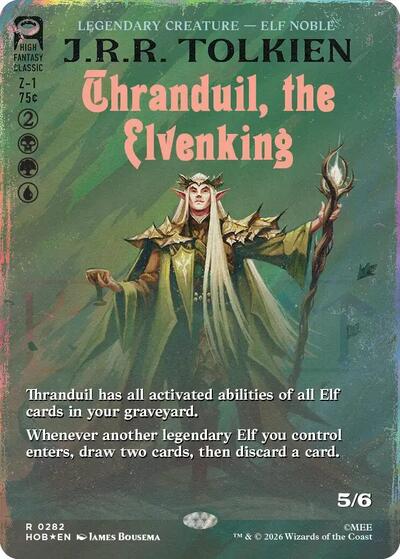
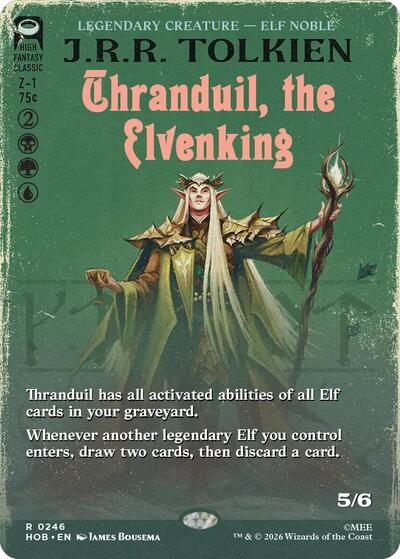
Thranduil, the Elvenking (Borderless) (Surge Foil)
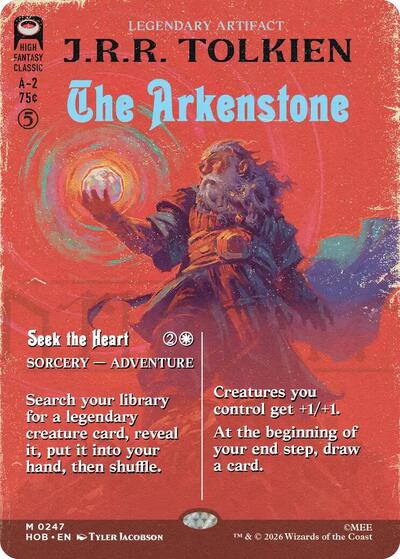
The Arkenstone (Borderless)
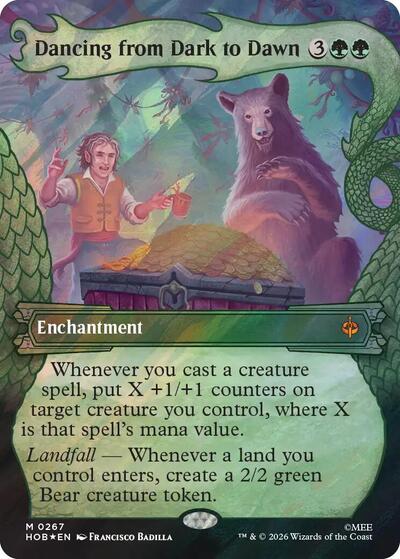
Dancing from Dark to Dawn (Showcase) (Surge Foil)
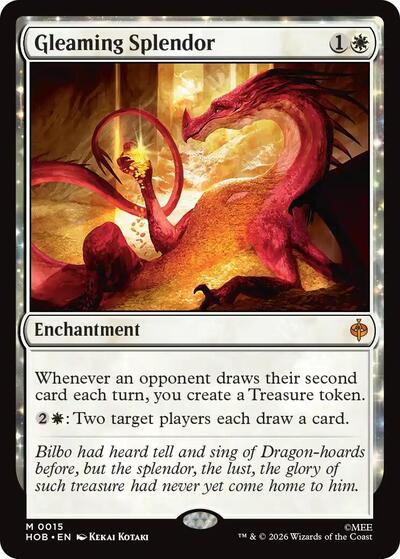
Gleaming Splendor
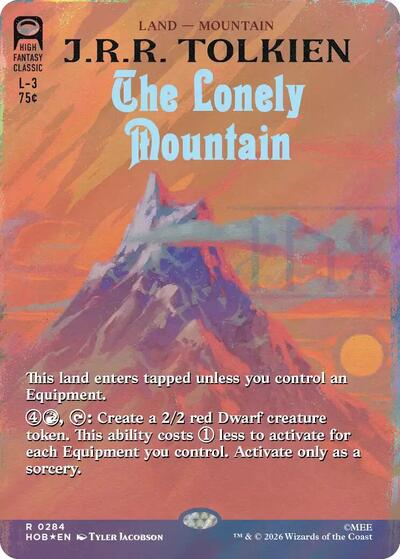
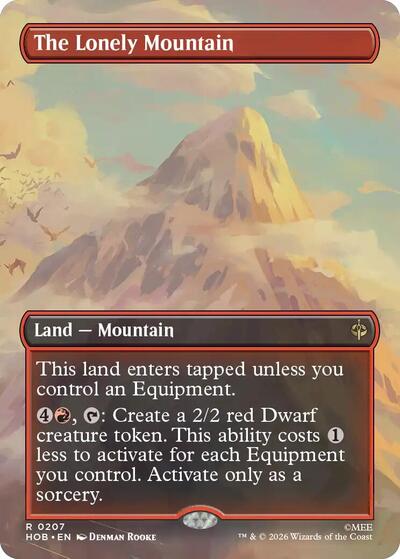
The Lonely Mountain (Borderless) (Surge Foil)
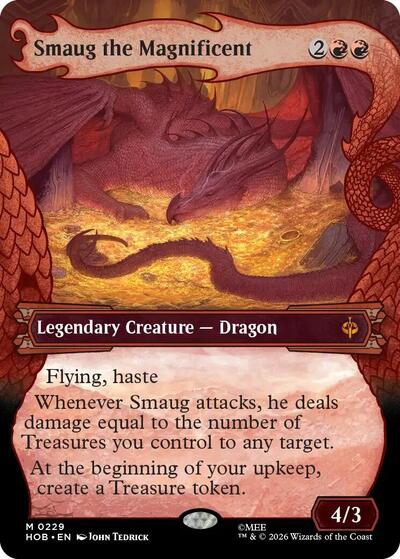
Smaug the Magnificent (Showcase)
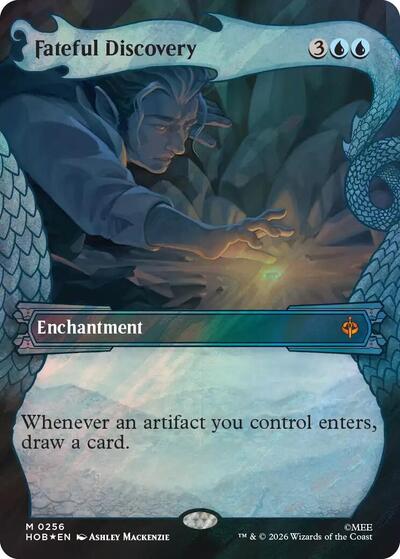
Fateful Discovery (Showcase) (Surge Foil)
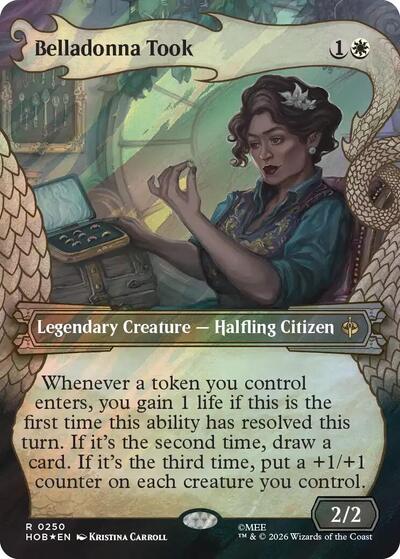
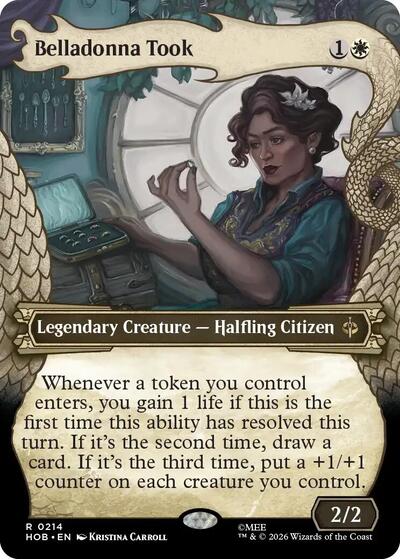
Belladonna Took (Showcase) (Surge Foil)
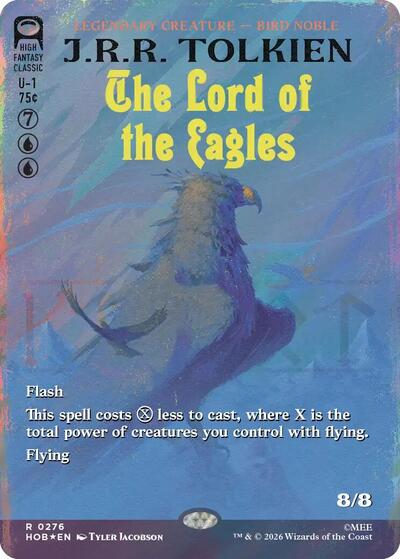
The Lord of the Eagles (Borderless) (Surge Foil)
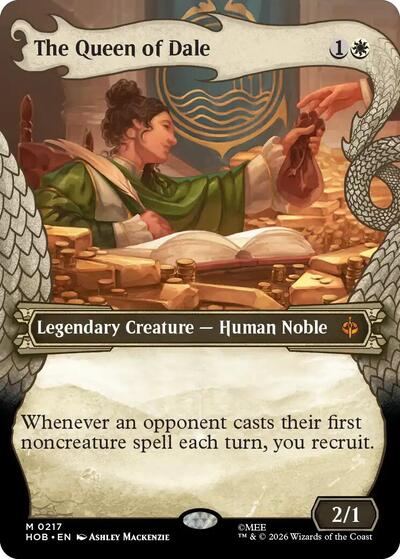
The Queen of Dale (Showcase)
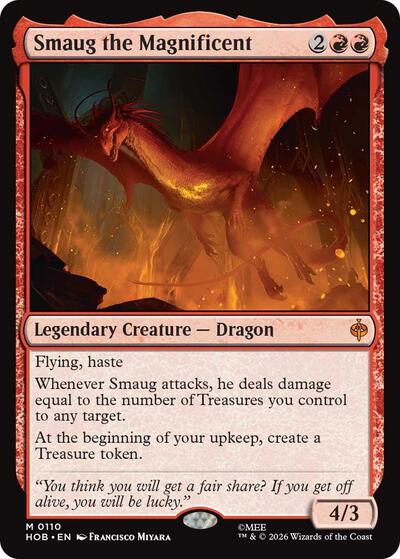
Smaug the Magnificent
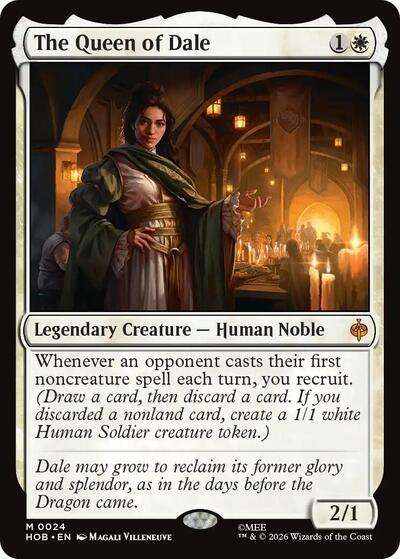
The Queen of Dale
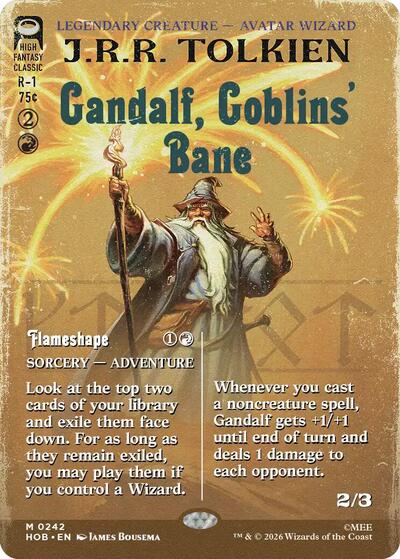
Gandalf, Goblins' Bane (Borderless)
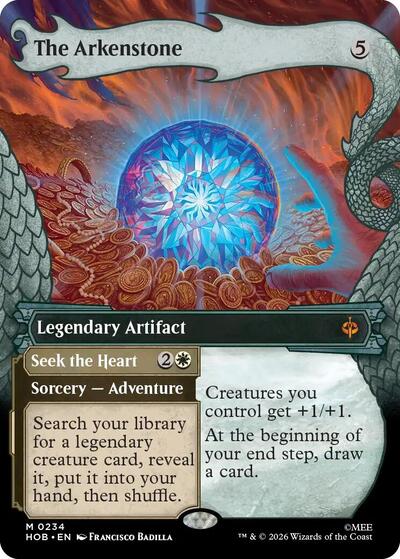
The Arkenstone (Showcase)
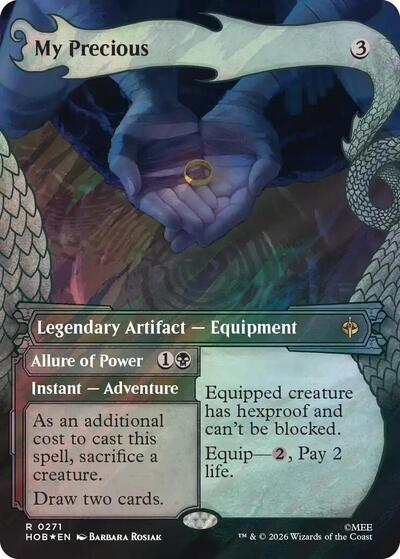
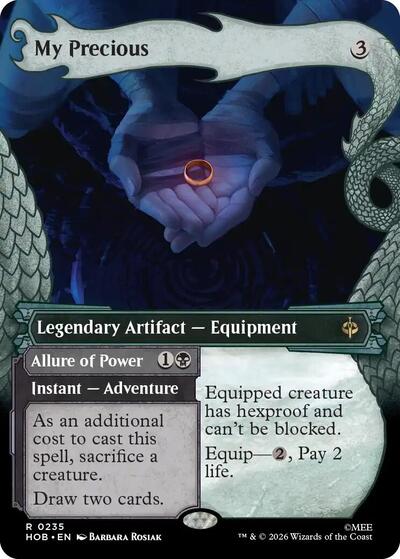
My Precious (Showcase) (Surge Foil)
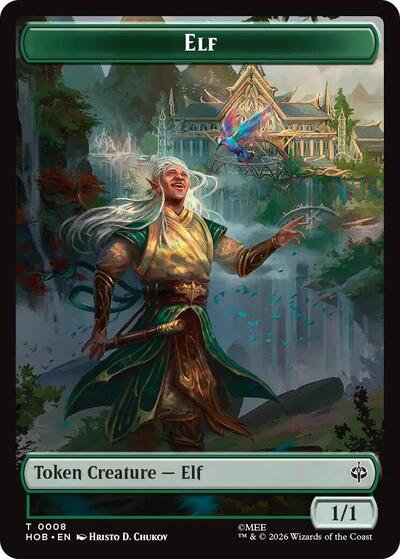
Elf // Dwarf Double-Sided Token
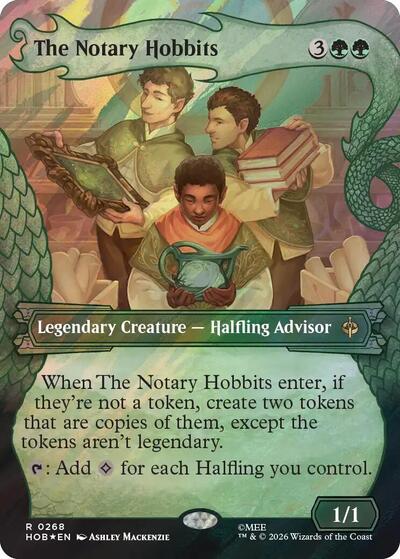
The Notary Hobbits (Showcase) (Surge Foil)
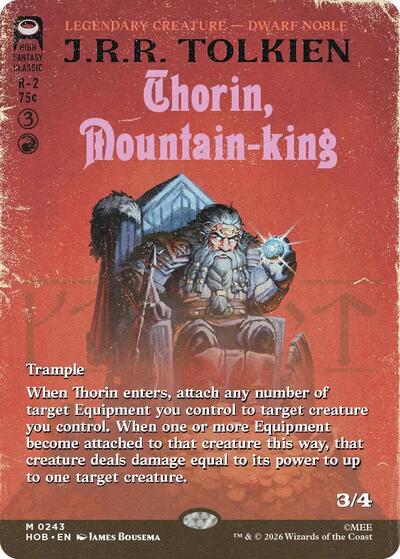
Thorin, Mountain-king (Borderless)
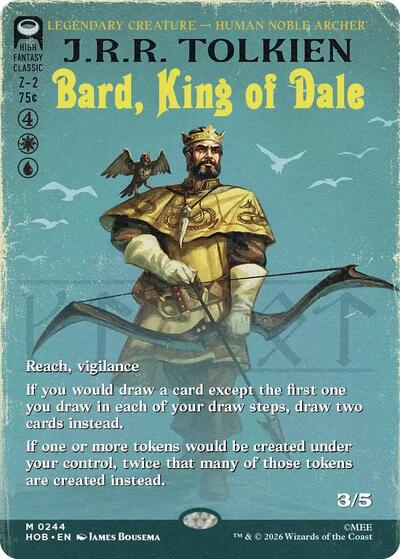
Bard, King of Dale (Borderless)
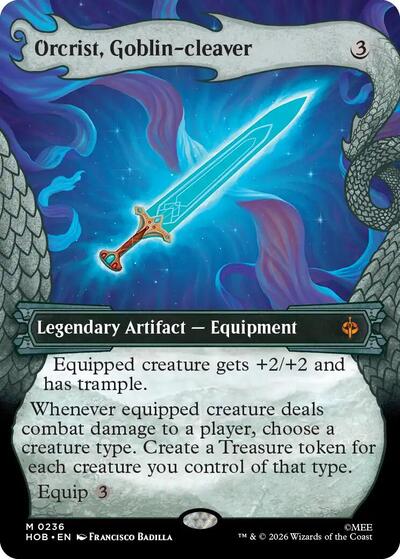
Orcrist, Goblin-cleaver (Showcase)
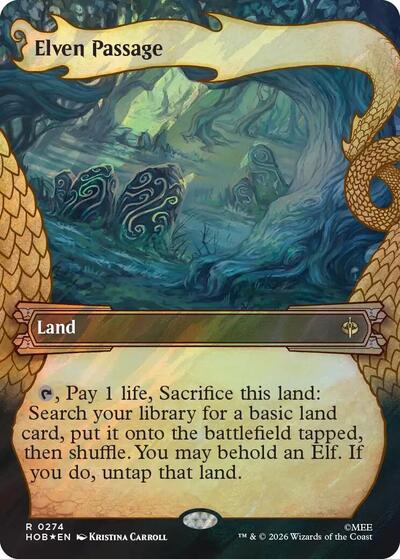
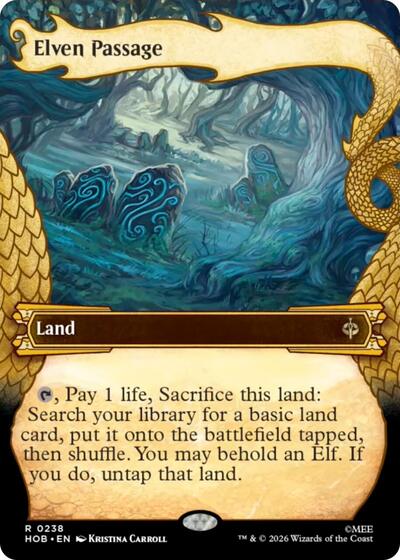
Elven Passage (Showcase) (Surge Foil)
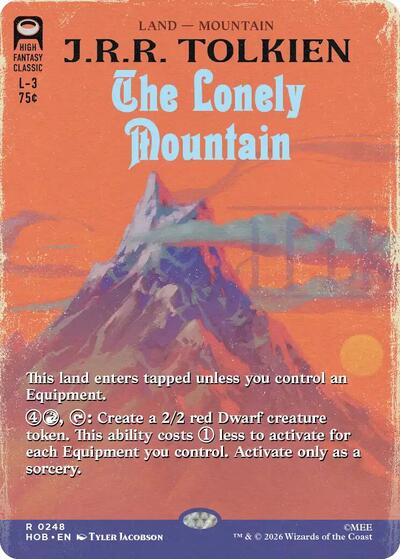
The Lonely Mountain (Borderless)
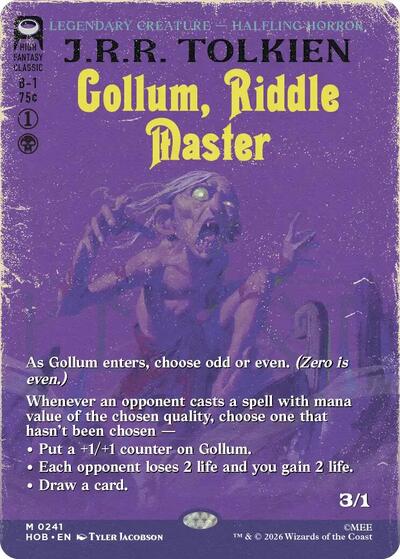
Gollum, Riddle Master (Borderless)
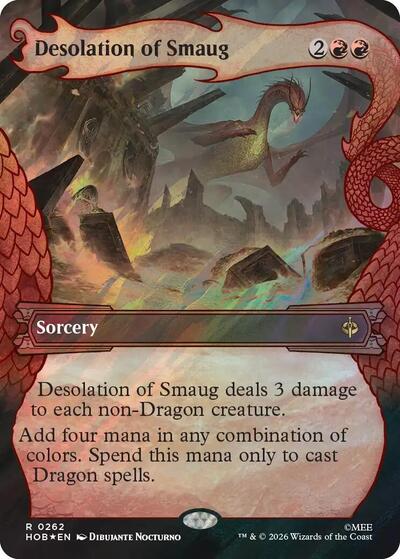
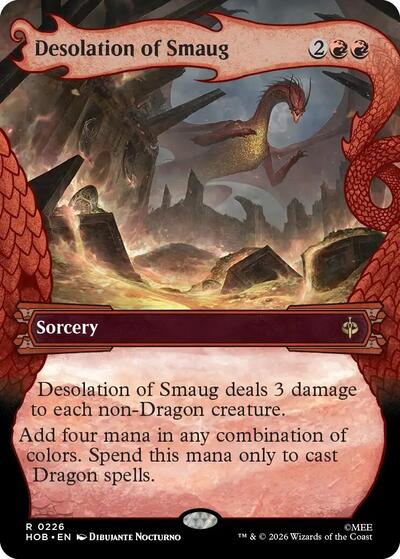
Desolation of Smaug (Showcase) (Surge Foil)
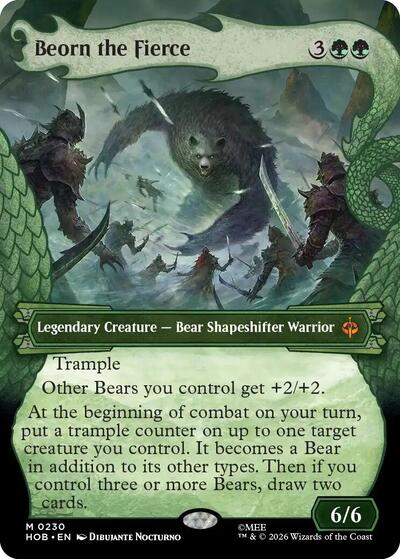
Beorn the Fierce (Showcase)
334 singles tracked